
7 household items that can cause cancer
Due to its incurable and terminal nature, cancer scares the living daylights out of everyone. People do their best to stay away from things that may cause them to develop cancers of any kind. There are many well-known carcinogens that healthy people actively avoid, such as soot, certain types of radiation, and cholesterol-heavy foods. However, there are many elements within one’s own house that can be carcinogenic in nature. Some such household items are:

Room spray
Formaldehyde is one of the most dangerous carcinogens out there. Room sprays contain this chemical, but most of them do not mention it in their ingredients list column. This is mainly because these sprays contain preservatives and chemicals that are scientifically termed “formaldehyde-releasers.” So, when these chemicals are inserted into a formula, they undergo a series of reactions and release the dreaded carcinogen. Apart from room sprays, one will find formaldehyde in face care and body care based makeup products.
If possible, one can seek and purchase formaldehyde-free products and non-toxic room sprays to keep their house smelling sweet even without the cancer-causing element.
Perfumes
Just like formaldehyde, styrene is another chemical that can eventually cause cancer in people if they are exposed frequently to it. Fragrances are the most common products that contain styrene as one of its main elements. However, like formaldehyde, perfume manufacturers do not list this chemical in the ingredients of their products. This happens because perfumes contain hundreds of naturally occurring and artificial chemicals. However, IFRA (the International Fragrance Association, a global representative body of the fragrance industry) lists all the ingredients of the products their member fragrances use, and styrene makes nearly all those lists.
To sidestep this problem, consumers can again purchase non-toxic perfumes that contain only organic elements.
Insect repellents
Nearly everyone has some or the other kinds of insects residing in their houses. To keep these insects at bay, people commonly use insecticides and repellents. The toxic and deadly nature of insecticides and repellents is well known, which is why people wash their hands after using these products. This helps prevent the deadly chemical from entering their mouths. However, insecticides are much more dangerous than most people know. Insect repellent sprays contain many carcinogenic chemicals such as carbamate, organophosphate, and organochlorine as active ingredients. These components are effective in eradicating insects and pests from one’s house, but they also hold the capacity to cause lung cancer if inhaled in the long term.
Apart from that, exposure to insecticidal sprays can also cause central nervous issues in people. So, it is not uncommon for people who inhale these sprays inadvertently to suffer from problems related to their brain, spinal column, and nerves, the three main components of the nervous system.
Due to these reasons, one needs to purchase organic insect repellents and ones that do not contain any heavy chemicals, if possible.
Some types of scented candles
As the header says, not all scented candles are toxic, but many commercially-sold candles, unfortunately, fall into that bracket. To cut their production expenses, many candle manufacturers do not think twice before using cheap but effective manufacturing chemicals such as petroleum, paraffin, and perfumes while producing scented candles. Unfortunately, these chemicals give out fumes while burning. These fumes are not much different from the exhaust fumes that come out of a car when being driven. As almost everyone knows, the fumes coming out of a car’s exhaust pipe are highly toxic and carcinogenic in nature.
Crispy, brown foods
While foods do not necessarily fulfill the criteria of home-based items, they are technically a part of the perishable things one will find in their house. Brown foods include, among others, eatables that contain potatoes. When one heats potatoes to high temperatures, the vegetables burn and emit a chemical named acrylamide. Several research studies have found that test animals that were given this chemical through drinking water or air have gone on to develop and succumb to cancer in the long run.
To cut down on the amount of brown foods one consumes, one can eat foods that are roasted, fried, or baked until they have a natural tan color. In this way, they will not compromise on taste and keep themselves relatively safe from developing cancer.
Cushioned furniture
Soft, cuddly furniture that contains cushions is often layered with a chemical known as TDCIPP. Many kinds of mattresses, sofas, and chairs that contain foam of any kind often need this flame retardant to become perfect for purchase. Unfortunately, this chemical is a major carcinogen, and it can lead to people developing lifelong malignancies if they come into regular contact with it. In fact, research studies found that live test subjects with this chemical in their blood are likely to have some or the other kinds of tumors in their body. What’s more, TDCIPP is also a chemical that is commonly found in household dust.
Thankfully, this is a problem that can be dealt with just as easily. People can simply replace all the cushioned furniture purchased prior to 2013 with new ones. This works because, after 2013, manufacturers have been asked to stop using this flame retardant while making their products. This means that more recent furniture purchases have a lower risk of giving people cancer.
Arsenic-infused drinking water
Now, most people get water that is free of chemicals and harmful toxins. However, many zones across the country still have people extensively using groundwater to fulfill their daily work, including washing utensils, drinking, and bathing. Due to extensive industrialization and soil pollution, groundwater is often mixed with heavy doses of arsenic. This chemical causes cancer if people are exposed to it for even a short amount of time. To counter this problem, people must stop the intake of polluted groundwater and use the water processed and sent to their homes through the tap.
Apart from these elements, some other household items that may cause cancer are hand sanitizers, carpets, and fabric softeners.
You May Also Like

Signs and causes of narcolepsy and ways to manage them
The body rest and rejuvenates during the night sleep, but some individuals constantly battle the tides of drowsiness and sleep attacks during waking hours. Such individuals may be suffering from a neurological condition called narcolepsy. This sleep disorder presents unique challenges for those affected. The unexpected sleep attacks can disrupt one’s daily life, including productivity, relationships, and overall well-being. Here are the most common signs, causes, and strategies to support those navigating this condition.
What is narcolepsy?
Narcolepsy is a chronic neurological disorder that disrupts the normal sleep-wake cycle. People with narcolepsy often feel excessively sleepy during the day, struggling to stay awake and alert. These unexpected bouts of sleep can interfere with their normal routine and productivity, making it difficult to concentrate, perform tasks, and engage in social activities. Narcolepsy is a lifelong condition, typically emerging during adolescence or early adulthood.
Narcolepsy Signs
- Unexpected sleep episodes
Narcolepsy can trigger sudden and uncontrollable sleep episodes, commonly known as sleep attacks. People with narcolepsy may find themselves falling asleep during conversations, while at work or school, while driving, or even during social gatherings. These sudden sleep attacks can be disruptive and potentially hazardous. - Fragmented sleep
Apart from this, individuals with narcolepsy may often have difficulty staying asleep at night due to fragmented sleep and insomnia. They may also experience automatic behaviors, where they briefly fall asleep during activities like eating or talking, continuing them without realizing it, or even driving, which can pose a serious risk to one’s life. - Sleep paralysis
Sleep paralysis is a condition that brings a temporary loss of muscle control. The condition occurs when one’s brain doesn’t transition smoothly between sleep stages, and one may find it impossible to move. This state may last a few seconds to some minutes and usually passes quickly. - Muscle weakness (Cataplexy)
A distinct symptom of narcolepsy is cataplexy, characterized by sudden muscle weakness or loss of muscle control. Strong emotions like laughter, surprise, or anger can trigger these episodes. During a cataplectic episode, individuals may experience temporary paralysis or a weakening of specific muscle groups, sometimes causing them to collapse or struggle to move. Cataplexy can range in severity and significantly impact a person’s quality of life. - Hallucinations
People may find these hallucinations confusing and alarming, further contributing to disrupted sleep patterns and overall distress. Hallucinations may be characterized by strong and convincing feelings about something that is not present in reality. These episodes may occur just before falling asleep or waking up. One who experiences sleep paralysis and hallucinations is more likely to be diagnosed with narcolepsy.
These symptoms, however, may not always mean that one is suffering from narcolepsy. Sometimes, they may be caused by other health concerns or lifestyle changes. It’s best to consult a healthcare professional who specializes in sleep disorders. A thorough assessment of one’s signs, healthcare examinations, and family history can help the doctor confirm the diagnosis and give proper and personalized treatment.
Possible causes of narcolepsy
- Brain chemistry
Recent studies have shown an association of narcolepsy with an imbalance in certain neurotransmitters and chemicals in the brain. A brain chemical called hypocretin governs sleep, and certain brain neurons work together to stabilize one’s sleep-wake cycles. It is believed that a lack of hypocretin throws off the neurotransmitter balance that regulates alertness and sleep. - Autoimmune disorders
Autoimmune disorders occur when the immune system mistakenly identifies healthy cells in the body as foreign or harmful and launches an attack against them. This misguided immune response leads to the destruction or dysfunction of healthy tissues and organs. In narcolepsy, one’s immune system is known to attack the hypocretin-containing brain cells. - Family history
One’s family history plays a significant role in one’s risk of developing narcolepsy. While it may also affect anyone, about 10 percent of people with the condition had a close relative or family member suffering from the condition. - Brain injuries
Any brain injury resulting from accidents or head trauma, or the presence of a tumor, can also significantly increase an individual’s risk of developing narcolepsy. The traumatic impact can disrupt the delicate balance of brain chemistry and interfere with the normal functioning of sleep-wake regulatory systems.
Apart from these, any chronic physiological stress or major hormonal changes like menopause, a sudden switch in one’s lifestyle and sleep patterns, as well as infections, can also trigger one’s condition.
Natural ways to manage narcolepsy
- Consider taking power naps
Setting aside 20 minutes to an hour during the day to rest can help one to manage sleepiness and also help one’s body to rejuvenate and restore its energy levels. Going to bed and waking up at the same time each day can help regulate sleep patterns and reduce excessive daytime sleepiness. - Acupuncture
While the precise mechanisms behind acupuncture’s effects are still being explored, this ancient practice offers a potential avenue for managing narcolepsy symptoms naturally. - Lifestyle adjustments
Making certain lifestyle modifications can have a positive impact on managing narcolepsy. Establishing a consistent sleep schedule and creating a sleep-friendly environment with a cool, dark, and quiet bedroom can enhance sleep quality. Regular physical activity like swimming, walking, dancing, cycling, and yoga can also contribute to better overall sleep, better balance and fitness, and increased wakefulness during the day. It can keep one’s muscles engaged and strengthen them, which usually tend to go limp in those with narcolepsy. - Avoid caffeine
Avoid caffeine after 2 PM. Caffeine is a stimulant that heightens one’s awareness, so one’s body may find it difficult to wind down if one has coffee or drinks with caffeine in the evening or at night. It can also negatively affect one’s quality of sleep.
Mind-body techniques, herbal remedies, aromatherapy, acupuncture, and lifestyle alterations offer promising avenues for symptom relief and overall well-being. It is essential to approach natural treatments with caution. Consultation with a healthcare professional or a physical therapist can provide guidance on appropriate exercise routines.

11 things and services that Medicare doesn’t cover 11 things Medicare doesn’t cover What to do to get insurance for the above?
Over the years, Medicare has provided health insurance coverage to more than 60 million people nationwide. Individuals above 65 years and those with disabilities have benefited from this health insurance coverage. However, not all healthcare-related expenses are covered by Medicare; some things are excluded. In such scenarios, people should cover the remaining costs by taking supplemental insurance. Some things and services that are not covered by Medicare are listed below.
11 things Medicare doesn’t cover
Regular physical exams
Medicare doesn’t cover the expenses for routine physical exams that are not related to any diagnosis or treatment of any health condition or symptoms. However, Medicare has been expanded to provide coverage of checkups under certain circumstances. These include a one-time checkup in the first year of enrolling for Medicare Part B. Then, for subsequent years, coverage is provided for annual wellness visits.
Eye exams and opticians
The original Medicare covers certain eye health-related expenses, such as cataract surgery. However, it doesn’t cover others, such as expenses for contact lenses, expenses for glasses, and routine eye exams. Also, Medigap plans, which are the supplemental insurance plans offered by private insurance providers, do not cover these expenses. However, a few Medicare Advantage plans may cover the expenses for prescription glasses or routine eye checkups.
Hearing aids
Medicare covers certain ear conditions and hearing exams that a doctor has prescribed to diagnose an ear-related condition. In addition, it covers ear cleaning if a health expert deems it necessary. However, Medicare doesn’t cover hearing aids and routine hearing exams. However, certain Medicare Advantage plans may include coverage for some hearing-related requirements.
Dental care work
Medicare does not cover most dental work. These include dental procedures and supplies such as tooth extractions, cleanings, dental plates, fillings, dentures, and dental devices. However, the original Medicare plan may cover certain dental services if these have to be done as part of other healthcare procedures already covered. In addition, Medicare Part A, that is, hospital insurance, covers a few dental services if an enrollee is admitted to a hospital. Furthermore, Part A also covers hospital stays for complicated or emergency dental procedures.
Chiropractic care
Original Medicare plans will not cover most chiropractic services and examinations suggested by a chiropractor. Also, expenses for X-rays are not covered. But Medicare Part B does cover the service of manual spinal manipulation. However, it must be done by a chiropractor or other qualified provider. Besides, some Medicare Advantage plans do provide coverage for chiropractic services.
Massage therapy
Many people with chronic pain opt for massage therapy to alleviate the symptoms. However, the expenses incurred on such therapies are not covered by Medicare. The expenses of nearly all pain management treatments are not covered. However, there is coverage for occupational and physical therapy under a few specific circumstances prescribed by a doctor. Also, some Medicare Advantage plans may cover some part of massage therapy expenses.
Nursing home care
In most cases, Medicare covers the expenses for some rehabilitation facilities, such as inpatient physical therapy after surgery. However, it does not pay the expenses for nursing homes or assisted living facilities. But Medicare Part A does pay for some nursing home care as long as it doesn’t involve long-term care or custodial care.
Cosmetic surgery
Medicare does not cover most types of cosmetic surgeries. However, if an enrollee requires to undergo cosmetic surgery to treat a malformed part of the body or due to accidental injury, some part of the expenses may be covered by Medicare. For example, Medicare covers the expenses for breast prostheses carried out for breast reconstruction when a person undergoes a mastectomy due to breast cancer.
Overseas care
Medicare doesn’t provide coverage for enrollees who are not lawfully located in the country. It won’t also pay for claims made under parts A and B. Also, no coverage is provided by a majority of the Medicare Advantage plans for medical expenses outside the country. However, certain Medigap policies cover some overseas medical costs. For those who travel frequently, it might be helpful to enroll.
Concierge care
Some doctors and clinics, such as boutique clinics, require patients to pay a membership fee before seeking treatment. These are known as concierge care. The fees for such concierge care often cost thousands of dollars annually. These fees are not covered by Medicare. However, if the doctor participates in Medicare after paying the fees, they must offer the services provided by Medicare. In such scenarios, the same rules of coinsurance and copays will apply as in regular Medicare.
Podiatry
Medicare does not cover the expenses for podiatry care. These include routine medical care for feet, removal of callus, and so on. However, Medicare Part B provides coverage for foot examinations and prescribed treatments for nerve damage due to diabetes, bunion deformities, hammertoe, heel spurs, and other foot injuries.
What to do to get insurance for the above?
Besides Part A and Part B of original Medicare, one can choose from several other supplementary plans. These plans cover the gaps in the Original Medicare policy. One of the most common supplemental plans is the Medicare Advantage. It includes Plan C and Plan D. Another well-known plan is Plan G.
Also called Medigap plans, these are generally offered by private insurance providers. Medicare pays these providers to offer extra coverage to enrollees. For instance, consider the Mutual of Omaha Insurance Company Plan G 2023. This plan covers all the benefits offered by other Medicare Plans like plans A, B, and C. The only expense not covered is the Medicare Part B deductible. It is a good option for those looking for additional insurance coverage for hospitalization and can get the Medicare Part B deductible out of their own pocket.

Benefits of Vacuum Sealers and Tips to Use Them How do vacuum sealers work? Uses of vacuum sealers Tips and tricks to use vacuum sealers
Most people consider vacuum sealers an excellent addition to their home but not a necessary one. However, they can be instrumental in preserving food and preventing wastage. Rather than stacking up food items in the freezer, you can opt to place them inside packs of sealed air. It protects the foods from freezer burns and retains their freshness for longer. Keep reading to learn more about vacuum sealers, their functionality, uses, and more.
How do vacuum sealers work?
A vacuum sealer works by removing all the air out of the bag containing the food. Using a heated seal bar, it fuses the sides of the bag. It prevents the air from going back into the bag. This way, it eliminates the chances of your food getting spoiled or going stale over time. Here’s how you can effectively use vacuum sealers-
- Put the food you want to store in the bag.
- Clean the top of the bag to ensure there are no moisture or food particles near or on the part of the bag where it will be sealed.
- Switch on the sealer to heat the sealer bar.
- Now, place the bag opening in the sealer bar to seal it.
- Ensure that minimal to no air is present in the bag.
- Once done, store the bag in the pantry, freezer, or an area you choose.
Uses of vacuum sealers
- Sous vide cooking- Vacuum sealers rose to fame when sous vide cooking became popular a few years back. So these devices will be helpful if you frequently cook sous vide. Whether you want to cook chicken, steak, fish, or anything else, you don’t have to work with fussy zip-top bags. A vacuum sealer will help to get out all the air so that the bag doesn’t float while cooking.
- Store ingredients to use later- Storing your ingredients and produce in the refrigerator will keep them fresh only for a few days. If you want to save them for a longer time, put them in vacuum-sealed packages. For example, if you purchase a lot of herbs at the farmer’s market, they will wilt much before you can use them all up. A vacuum sealer will help to preserve them for weeks in the refrigerator. This way, you can even save some ingredients for months in the freezer.
- Sealing dry ingredients in jars- Some dry ingredients, such as spices, yeast, and nuts, spoil too quickly. Furthermore, you cannot finish them sooner since you can only use them in small quantities at a time. Sealing these items in bags to preserve them is not a wise idea because you have to cut open the bags and seal them again when using the ingredients. It is too much of a hassle and a waste of plastics. Therefore, a great alternative is to keep them in glass canning jars and vacuum seal them. There are several attachments available that are compatible with vacuum sealers to seal up the jars.
- Protect liquids from spoilage- Use vacuum sealers to preserve oils, vinegar, and other liquid ingredients in your pantry. Bottle stopper attachments are available that work well with most vacuum sealers. You can reseal open bottles and keep the liquids fresh for longer. However, don’t use these for storing sparkling wines, soda, or carbonated beverages. Since the vacuum seal will remove all the air, these beverages will lose their acidity.
- Protect items other than food- Use your vacuum sealer to preserve stuff beyond your pantry and refrigerator. For example, you can use it to seal and protect important documents such as birth certificates, graduation certificates, car titles, house titles, etc. This way, all your essential documents will be safeguarded against damage from water and other elements. Furthermore, you can vacuum seal other stuff, such as bandages, matches, and prescription remedies (that spoil quickly) for your emergency and first aid kits.
Tips and tricks to use vacuum sealers
- Always label first- You will want to label your vacuum-sealed bags with the ingredient’s name and the date you sealed the bag. But this cannot be easy if the bag is filled with food. Therefore, to solve this, ensure you label the bag before you fill the contents and seal it.
- Make sure to use a bag of the correct size- If your bag is too big or too small for its contents, you won’t benefit much from using a vacuum sealer. It is because your food may spoil quickly. To ensure proper sealing, the bag must have at least 2-3 inches of room at the top, between the sealing area and the contents. Also, if you use a small bag and food particles get on the bag’s opening, it won’t seal properly, allowing the air in and spoiling your food.
- Ensure the bags are cuffed before filling- To ensure the bag is well sealed, fold at least 2 or 3 inches from the top to make a cuff. Do this before you fill the bag with food. Once the bag is filled up, uncuff it and heat seal it.
- Seal the bags to be flat and stackable- To save space in the pantry or refrigerator, make the bags flat before sealing. Arrange the food inside the bag so it remains as flat as possible. It makes it easy for users to stack and organize all the bags on top of one another.
- Soft foods must be partially frozen- Delicate foods such as berries, grapes, or fish can get crushed while sealing the bag. To avoid this, put these foods in their respective bags and keep the unsealed bags in the freezer for some time. Once these foods are firm, you can proceed to heat seal the containers.

Lupus – Types and Warning Signs
The immune system is responsible for protecting the body against infection and diseases. Sometimes, this system malfunctions and attacks healthy cells and tissues, causing diseases in one or many body parts. Such diseases are called autoimmune diseases. Lupus is an example of an autoimmune disease that can affect people of all ages, with women at a higher risk than men. This post closely examines what lupus is, its types, and its symptoms.
What is lupus?
Lupus is a chronic autoimmune disease where a person’s immune system mistakes healthy cells for invaders. It then creates antibodies to attack the healthy cells and tissues, causing inflammation and pain in different body parts, including the skin, joints, muscles, and internal organs. Lupus can be mild to severe and, in some cases, life-threatening.
Patients with lupus may see phases when they are very ill and phases where they feel better. The symptoms can be managed with treatment, and patients diagnosed with the disease can lead a full life.
Different types of lupus
The signs and remedies may vary from one person to another based on the type of lupus that affects them. The following are a few common types one should know:
Systemic lupus erythematosus (SLE)
SLE is the most severe and most common form of lupus. It can affect a person’s health in many ways. For instance, SLE can cause inflammation of the kidney that damages the organ; inflammation in the nervous system and brain that causes headaches, strokes, memory problems, and confusion; inflammation in the blood vessels of the brain that leads to seizures, changes in behavior, and high fever, coronary artery disease that could increase the risk of a heart attack; and pulmonary hypertension.
SLE is difficult to diagnose as its symptoms mimic those of other benign diseases. Doctors use a combination of diagnostic tools, such as a physical examination, blood and urine examinations, and imaging tests, to rule out other ailments and identify SLE. If a person complains of kidney or skin issues, doctors may also perform a kidney and skin tissue biopsy to ascertain the cause.
Cutaneous lupus erythematosus (CLE)
This type of lupus affects the skin, causing lesions and sores. The lesions are red, scaly, and raised and shaped like discs. Some may develop rashes on their cheeks, nose, face, scalp, mouth, nose, private parts, and areas exposed to sunlight. People with cutaneous lupus may go on to develop SLE.
Neonatal lupus (NL)
It is a rare type that affects infants if the mother has lupus. The child may have liver problems, rashes, or low blood cell counts at birth. All the symptoms disappear within a few months after birth, and the child usually lives a healthy and normal life. Doctors can now diagnose neonatal lupus and treat the child before or after delivery with proper screening and testing.
Treatment -induced lupus erythematosus
Some treatments may cause lupus with symptoms similar to SLE. The signs and impact of this condition usually disappear once doctors discontinue the treatment.
Early signs and symptoms of lupus
The condition’s manifestation varies from person to person. While some may experience a single symptom like a rash, others may develop multiple discomforts like rash, hair loss, and chest pain. The frequency of symptoms also differs from one person to another. Sometimes, the signs appear and disappear in phases, with episodes of flare-ups and periods of remission. The most commonly occurring early signs and symptoms of lupus include:
Off and on low-grade fever
Fever with temperatures between 36.9 degrees F and 38.3 degrees F that keep reoccurring without an apparent cause is one of the early symptoms of the disease. Since the fever is not very high and does not impact the patient in any way, many ignore it. This is a mistake, as recurrent low-grade fever can result from infection or inflammation associated with lupus.
Joint and muscle pain
Inflammation in the muscles and joints can cause stiffness and pain. The condition can affect any joint, especially the upper arms, neck, thigh, and shoulder. This symptom can prevent one from performing physical activities and exercise.
Skin rashes and lesions
Butterfly-shaped rashes on the cheeks and nose are a typical symptom. These rashes can also be round or disk-shaped and scaly. Sometimes, red-colored rings outline them. Rashes are more common in body areas exposed to sunlight.
Chest pain
If lupus affects the lungs, the organ’s lining may get inflamed, causing severe stab-like pain in some parts of the chest. This pain may increase when the patient sneezes, coughs, laughs, or takes a deep breath. Chest pain and shortness of breath are early warning signs of the condition.
Photosensitivity
Two in three people with lupus are photosensitive; they react strongly to sunlight and other bright artificial lights. Photosensitivity can exacerbate other symptoms like rashes, joint pain, and inflammation in the affected organs.
Mouth ulcers and sores
Red ulcers with a white halo on the roof of the mouth, cheeks, and lips should not be ignored. If a person has recurrent mouth ulcers that may or may not be painful, they should consult a doctor for a thorough examination and diagnosis.
Anemia
When a person has a chronic disease, inflammation may prevent the body from making adequate red blood cells (RBCs). It is called anemia of chronic disease. Anemia is a symptom of lupus that can manifest during flare-ups.
Persistent and unexplained fatigue
Eight out of ten people with SLE experience fatigue, which can be severe, making it difficult to complete basic tasks. It can be caused by anemia or without any apparent reason. Moreover, fatigue may not improve with adequate rest and sleep.
Hair loss
Lesions, rashes, and scars on the scalp can lead to hair thinning and consequent hair loss. Doctors can manage this symptom with treatment.
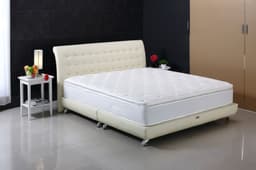
Key things to consider before buying a mattress
Good sleep is essential to keep a person energized and healthy. In contrast, poor sleep habits could lead to many health concerns in the long run. Many factors are responsible for poor sleep quality, sometimes, your mattress included. Purchasing the correct mattress that lets you sleep peacefully is challenging since multiple options are available. To help you with your decision, here are some factors and tips to consider while choosing a mattress.
Understanding different mattress types
Knowing the various types of mattresses in the market can help you select and find the right option according to your preferences. Listed below are some of the different types of beds.
- Innerspring- This type of mattress comprises steel springs, making them firmer. They also offer a more bouncy feeling. Stomach and back sleepers may benefit from these mattresses as they offer sturdy support.
- Memory foam- These types provide the best pressure relief. These mattresses are great options for side sleepers or people suffering from back pain.
- Latex- These are similar to memory foam ones but come under the bouncier options. If you are looking for an organic option, these are the best. There are two kinds of Latex mattresses – Dunlop and Talalay.
- Hybrid- These mattresses contain an amalgamation of latex, coils, or memory foam. They provide more support and softness.
- Adjustable- Such mattresses have air chambers that allow you to control their firmness level. These are usually more expensive than the other alternatives.
Firmness
When choosing a bed, the firmness level is a critical factor to consider. It will also depend on your sleep position and body type. There are also various options regarding firmness level – soft, medium-firm, or firm. The various sleep positions are side sleepers, combination sleepers, stomach sleepers, and back sleepers. Meanwhile, the various body types range from heavier bodyweights to lightweight sleepers. The best options for side sleepers are beds with a firmness level of soft or medium. Meanwhile, it is an excellent choice for stomach sleepers to choose firmer beds. It has also been found that too soft or older beds may not properly support the spine. Hence, consider changing your product if you feel uncomfortable.
Size
Before singling out a mattress, ensure it fits your room well. Mattresses are available in different sizes, including Twin, Twin XL, Full, Queen, King, and California King. Because of the ample sleeping space, queen-sized mattresses are the most popular choice among buyers.
Comfort
The most critical factor to consider while choosing the right mattress is comfort. You can buy the most expensive product in the market, but if it is uncomfortable, it will be futile. When considering comfort, there are a few things to remember- mattress types, firmness, body types, and various sleep positions.
Advice from a health expert
If you suffer from conditions like back pain, neck pain, or other bodily discomforts, ask your healthcare provider about the mattress you should use. Those with neck and lower back pain should try to sleep in a neutral position.
Read online reviews
Reading reviews from buyers and customers has also become necessary when choosing a mattress. Reading unbiased and genuine reviews from the people who have purchased the product is always helpful as they would give you a fair and practical idea about your choice. Reviews also help narrow your options to the few best products in the market. You can also ask for recommendations from your friends, relatives, and loved ones. You can also seek suggestions and recommendations on social media.
Popularity of brand
Despite checking customer reviews and ratings and asking for recommendations, you should also check the brand’s reputation and credibility. Look for whether the company makes unrealistic claims about the health benefits of the mattresses and whether it has recalled any product. You could browse for the ratings from the websites of experts. Check if all the relevant information and details concerning the materials used, health benefits, and where the mattress has been manufactured have been provided. You might find this information in the FAQ section on the company’s website.
Warranty
It might be helpful to check for warranties. Most mattress brands offer a warranty. Usually, warranties only provide coverage for some things, but generally, a ten-year warranty is standard. Therefore, it is required to read all the terms and conditions of the warranty and what is covered before buying the bed. However, leaving the mattress on the floor and setting it on the wrong type of frame may void the warranty. Some brands also offer a trial period to determine if the bed suits you. This period could range between a week to 30 days.
Free shipping
There are two options to purchase a mattress – in-store and online. Free shipping options should be checked before confirming the purchase. Usually, most brands and online retailers offer free shipping.
Free returns
Some brands and companies charge a restocking or processing fee. However, usually, most of the brands cover the return cost. It is where checking customer reviews might be helpful, as some people could have faced issues or had complaints when trying to make a return.
Budget
With so many different types of beds available, the prices vary from affordable to expensive. Hence, set your budget and look around for deals and discounts to get the best mattress at the best price.
Though some key factors to remember before purchasing a mattress are listed above, other aspects may arise depending on individual preferences. Researching and exploring well is always recommended before confirming a product, as the mattress you choose plays a significant role in helping you cope with back or neck pain issues. Also, good quality sleep is essential for overall health and well-being, so choose your mattress wisely.