
9 Common Car Maintenance Mistakes to Avoid
Car maintenance sounds like a straightforward task. Once every few months, you drive to the garage and have qualified technicians check the vehicle for flaws that affect performance. It’s an ongoing process you must follow for any make and model of vehicle. However, there are common maintenance mistakes that you may not even realize you’re making, which can impact your vehicle’s overall performance. Here are the top nine car maintenance mistakes that you should avoid.
Servicing with any garage
It’s always better to get your car serviced from an authorized garage franchising with the car brand. For example, if you’ve bought a vehicle from local Dodge dealers, it’s beneficial to take it for servicing at Dodge dealership-owned garages for repairs and periodic maintenance. When it comes to specialty vehicles, it’s crucial to have technicians who are experienced in using the right tools and performing repairs, maintenance, and replacements. It’s important to avoid having unqualified or uninformed individuals working on these vehicles at a local garage.
Not using genuine parts
Vehicle spare parts are sold a dime a dozen since there are many cheap knockoffs that you can get for a fraction of the price. Duplicate or refurbished parts increase the risk of significant safety concerns, especially when you buy brake pads, electrical components, and other engine parts critical to the vehicle’s performance. There is no guarantee if that part will work or even risk total engine failure with prolonged use. And since knockoff parts are not covered under warranty, you’ll have to pay out of pocket to replace the same parts. Instead, buy original brand parts and genuine spares sold by authorized dealerships for repairs and replacement.
Skipping the car wash
Washing the car now and then takes care of the vehicle’s exterior. All metal components are exposed to the elements of the weather and harsh pollutants in urban areas. These toxic reactions trigger changes that lead to rust, pitting, and damage to the metal framework. Premature rusting greatly impacts the structural integrity of your vehicle. So never skimp out on spending a few dollars every other week at the car wash and prevent paint erosion leading to rust.
Not paying attention to safety lights
Modern-day vehicles come with inbuilt safety features. Multiple lights on the dashboard and the digital console synced to the vehicle hint of the slightest damage or malfunction affecting performance. One of the most prominent safety features is the check engine light, the tiny red logo that mirrors the outline of an engine. If this light is blinking continuously on the dashboard, it’s a sign that there is some problem with the engine. You should never ignore these warnings, as delays in repairs can result in extensive damage and even permanent breakdown. Moreover, safety lights are also installed to indicate the battery health, oil filters, and other engine components.
Ignoring the TPMS
Most modern-day vehicles come with the Tire Pressure Monitoring System, which is an important upgrade feature. This system constantly monitors tire pressure, whether the vehicle is in motion or parked. This minimizes the risk of accidents caused by premature wear and tire blowouts while driving at high speeds. Moreover, weather conditions significantly impact tire air pressure, with harsh cold weather causing a rapid reduction that makes it challenging to control the vehicle. Therefore, it is crucial to keep an eye on the TPMS and inflate the tires promptly when the pressure drops to ensure a safe and comfortable drive.
Ignoring wheel alignment
Terrain conditions, driving conditions, driving preferences, and even overall weather can all directly impact the wear and tear of the tire. It’s one of the main reasons wheel alignment must be done to ensure better stability and control of the vehicle. With proper wheel alignment, you can overcome understeering or oversteering in one direction, which can make you feel like your vehicle is pulling to one side. Since it’s a critical car maintenance task, it’s best to have it done by professionals at a garage. So, schedule these tasks as recommended by a technician who can check to see if the alignment is due at your next vehicle service.
Not getting the filters checked
Your car has two primary filter systems for the air and oil intakes. Oil filters keep the engine oil and other lubricants flowing within the components free of debris and pollutants. This filter mainly prevents the oil from forming sludge and causing the engine to stall at high speeds. Further, a dedicated air filter removes debris and pollutants from the oxygen the engine absorbs for internal combustion. The air filters also pump out the hot air coming from the engine to maintain a neutral temperature. Both filters must be replaced after periodic intervals to ensure the system functions correctly. This repair and maintenance task should never be ignored. Filters can be replaced at the dealership repair shop, where you can shop for genuine parts.
Ignoring periodic oil change
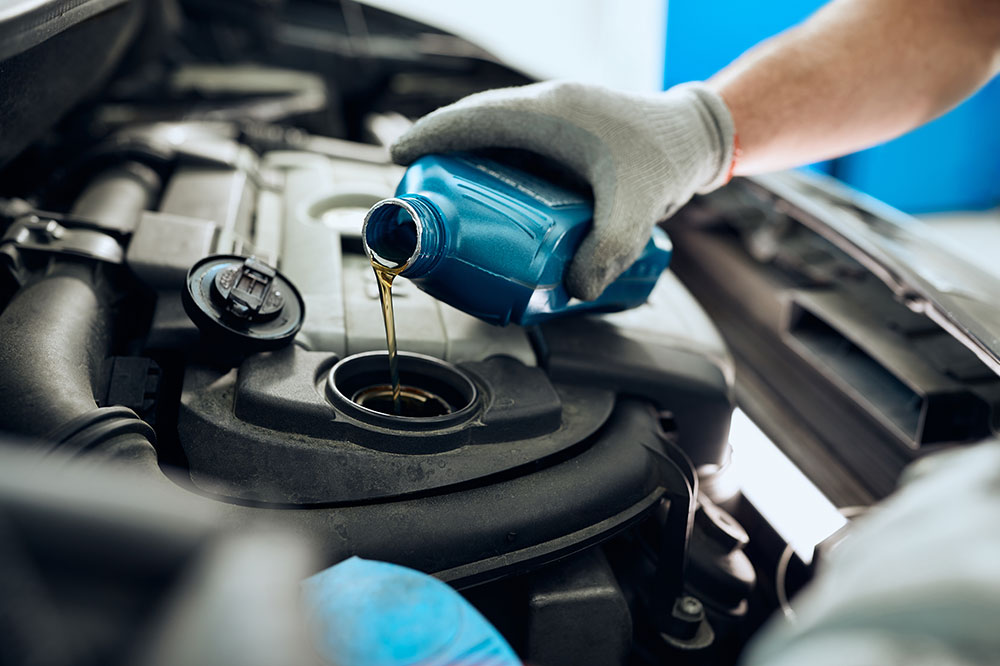
All vehicles require engine oil, transmission fluids, and other lubricants that help reduce friction between all moving parts in the motor assembly. Without these fluids, the engine can degrade and even stop working altogether. Therefore, it is crucial to ensure your vehicle does not break down while driving on the freeway. Changing the oil every 7,000 miles or as suggested by the manufacturer in the car user manual will prevent these damages to the engine. This applies to all lubricants used in the vehicle.
Not getting parts checked
Braking systems and electrical components require periodic checking to ensure the safety of the vehicle while driving. And brakes are powered by hydraulics, which requires an electric motor to pump the fluids in and out of the braking assembly. All these systems are interconnected and depend on the proper functioning of individual components. Ensure these parts are also serviced properly at the next check.
You May Also Like

10 Things to Keep in Mind While Renting a Van
Renting a vehicle has become more convenient than ever before. You can choose from a variety of options, such as rental box trucks, pickup trucks, cargo vans to haul your belongings around, or sedans and SUVs to travel comfortably. No matter your requirements, there are certain do’s and don’ts to keep in mind during a van rental to ensure a seamless experience. Here are a few tips to consider when renting a van:
Take your time
When you are used to driving your vehicle, adjusting to a new one can take some time. Be sure to look around to understand where the controls are located and familiarize yourself with them before leaving the parking lot. On the road, drive slowly and ease into parking spaces instead of rushing to get things done. This will help you have a pleasant and safer driving experience.
Be mindful of your insurance
To know what your car insurance policy covers, it’s important to review your insurance papers. This will help you determine if you need to buy additional renter’s insurance for your rental van from the company, depending on your coverage.
Compare your choices
People living in larger cities are likely to have more rental companies to choose from. Do your homework and compare the prices offered by different companies, so you can get the best price possible. Price alone may not be the deciding factor when choosing. While a cheap rental van may sound attractive, look into the other features and services offered, and weigh them according to your needs. Read the full terms and conditions before finalizing your rental agreement.
Check the documents and the car
Just like you would when making any other purchase, it’s important to carefully review the paperwork before renting a van. Take a close look at the agreement and watch out for any additional charges that may have been included. Once you have the van, inspect it for any damages and promptly inform the rental company if you notice any. Doing this before you drive off the renter’s premises can help you save your deposit and avoid any unnecessary hassles or damage charges later.
Try to have one designated driver
If you want to avoid incurring additional charges, try to have one or two designated drivers (some may exclude spouses or domestic partners). Even if you have drivers over the age of 25, most policies will charge additional compensation for every driver you register. Additionally, each driver will have to meet the age requirements, appear at the rental counter with the primary renter, and present a valid driver’s license.
Don’t rent from an unlisted company
When renting a van, it’s important to consider smaller companies as they may offer better rates. However, it’s crucial to check their authenticity by looking at reviews and listings beforehand. Renting a van from an unlisted company can cause trouble later on, especially if you run into a situation where your car needs to be replaced. On the other hand, renting from a larger company will allow you to choose between multiple rental options and have a backup if needed. You are also likely to receive better service during a vehicle breakdown, as many big companies feature an in-house repair station.
Don’t ignore the restrictions
Rental cars are often accompanied by several restrictions, so make sure you check with the company before you leave. Some of these may include speed or distance limits, and you may be liable to pay extra when you cross them. Avoid any penalties and have a smooth experience by considering these details before you finalize your rental agreement.
Don’t wait until the last minute
It’s ideal to book your van as soon as you learn of your requirements. By reserving a van in advance, you can get the vehicle you need at the best possible price. This will also help you save time for other important tasks. Communicating with a van rental company in advance about your requirements can help them plan more efficiently and offer better service throughout your rental period. Of course, you can always choose to cancel your rental reservation later. Some companies may charge a premium for last-minute cancellations.
Don’t be in a rush to drive off
There are several things to learn about a car/van when you first begin to drive it. Don’t be in a rush to drive off the parking lot. Speak to the rental company and have all your questions answered. Chart your driving route in advance for a more comfortable and confident van-driving experience.
Don’t use a debit card for the rental
Debit cards are not always accepted for rentals, and most places do not accept cash. Car rental companies prefer payments made with credit cards, as it gives them a higher assurance of payment. However, as a user too, there are several perks of using a credit card during a rental payment. The two biggest advantages are protection against fraud charges and the ease of disputing errors. If a rental company raises an invoice that you do not agree with, you can dispute them without losing access to a portion of your money (as you would with a debit card). Plus, you also stand a chance to win points or rewards when using a credit card.
Once you have rented your van, it is time to put it to work. Driving a van is a different experience from driving a Sedan or an SUV. Remember to be mindful of the van’s length when making turns, changing lanes, and parking. Ask someone for help if necessary. Many areas also have height restrictions, so check the van’s height beforehand to save yourself from uncomfortable situations. We hope these tips mentioned above make your van rental experience seamless.

5 common eczema triggers to avoid
Certain habits like constant itching, hot baths, and consuming eczema-triggering foods may worsen skin diseases like eczema. These triggers may vary from individual to individual and case to case. Additionally, wearing synthetic fibers, using deodorants with artificial fragrances, and lack of proper personal hygiene may also worsen eczema and related skin diseases. Read ahead to find out the common types and habits to work on for improvement in eczema symptoms.
What is eczema?
Eczema is a skin condition that causes dryness, itching, rashes, scaly areas, blisters, and skin infections. It is not contagious and may have several causes. Both hereditary and environmental factors are most likely to be responsible. Though there is no certain cure for a skin disease like eczema, an improved lifestyle may help alleviate symptoms over time.
Common types of eczema
Atopic dermatitis
Atopic dermatitis (AD), the most common type of eczema, causes itchy, recurrent rashes, usually appearing by age five, and symptoms are overly dry skin to itchy rashes.
Contact dermatitis
Touch or contact dermatitis is an itchy, allergic rash caused by direct contact with a skin-irritating chemical. Cosmetics, artificial fragrances, and jewelry might cause this reaction.
Dyshidrotic eczema
Dyshidrotic eczema causes a fast rash of small, painful blisters on your palms, fingers, feet, or toes.
Neurodermatitis
Neurodermatitis causes itching rashes. Scratching makes the skin thick and leathery. Though not life-threatening, the itching can disrupt sleep.
Seborrheic eczema
Seborrheic eczema is a common, curable, and noncontagious skin condition causing itchy red patches, oily scales, and white or yellow dry/powdery scalp flakes.
Stasis dermatitis
Venous stasis dermatitis occurs when blood can’t flow freely through the veins, typically in the lower legs. It is a result of moisture and pressure build-up.
Nummular eczema
Nummular eczema, which causes coin-shaped skin spots, causes itchy, irritated patches which might be crusty or discharge clear fluid.
5 most common habits that worsen eczema
Having learned about the different types of eczema, let’s look at the common mistakes one may repeat in daily life that worsens eczema.
Not checking on indoor pollutants
Atopic dermatitis, one of the most common types of eczema, often appears as red, itchy skin after contact with certain environmental irritants. These irritants may be indoor pollutants, including dust, dust mites, and poisonous mold.
Additionally, when volatile organic compounds (harmful chemicals found in aerosol sprays, paints, or disinfectants) come into contact with the skin, they can lead to skin inflammation and damage the skin’s natural protective layer. This leads to more water evaporating from the skin, leaving the skin dry and worsening eczema and related skin diseases.
Improving the air quality inside the house with the help of certified air purifiers can cut down on eczema flare-ups.
Using chemical-heavy/fragranced soaps
Traditional soaps can be too abrasive for skin diseases like eczema, depriving the skin of natural oils that aid in water retention. A typical soap’s normal pH varies from 9 to 10 (alkaline), but the skin’s normal pH ranges from 4 to 5 (neutral). This can be harsh on the skin, stripping it of essential oils. As a result, dry skin may be more prone to eczema flare-ups. Using the wrong cleanser can also worsen skin diseases like eczema by making the skin dry, irritated, and inflamed.
Another issue to consider is that soaps may include sodium lauryl sulfate (SLS), a chemical that can aggravate eczema-prone skin. A good alternative to chemical-heavy/fragranced soaps would be organic products. Opt for organic handmade soaps free of chemicals and artificial colors or fragrances.
Stress-induced habits
Skin diseases and conditions like eczema are not caused by stress; however, the itch-scratch cycle it creates can aggravate it. Poor eating habits under stress, lack of personal hygiene in stressful situations, or scratching subconsciously make the itching worse and risk even more irritation and swelling.
An easy way to help avoid this is to keep the fingernails short so that any scratching done isn’t overly intense. For young children and those who tend to scratch in their sleep, cotton gloves or anti-scratch mittens may also be helpful in managing eczema and related skin diseases. Lastly, managing skin diseases and conditions like eczema can be assisted by being more mindful of one’s mental health. Getting enough sleep and taking time off to relax and de-stress may help reduce flare-ups.
Using water-based moisturizers
The concept of skin health and an understanding that water can quickly be lost via the epidermis is something many people have heard of but may not fully understand. After all, the skin is supposed to bind and store water molecules. That’s where humectants come in. These substances help bind water molecules and draw them back to the skin, which can aid with healing and general skin health.
Yet, when dealing with eczema, transepidermal water loss can become severe, which means it’s time to look at moisturizing options. Moderate oil-based moisturizers are a solid option, but it’s important to avoid lotions as they contain little-to-no oil and often contain irritants that can do more harm than good on sensitive skin.
Taking a bath with excessively hot water
A long, steamy shower or bath may seem appealing, but it is not the right choice for people with eczema. The skin naturally creates oils that keep it moisturized, but hot water washes those oils away and dries out the skin. The skin is already weakened during eczema flare-ups, with a poor skin barrier, dryness, and inflammation. Hot water further worsens the condition. Thus, to protect the skin, and avoid eczema flare-ups one must lower the water temperature when taking a shower, washing hands, or cleaning the face.
Eczema is a common, irritating skin condition that can impact one’s life quality. It can keep a person awake at night, distract them, and make a person feel self-conscious in public. Controlling eczema begins with controlling one’s daily lifestyle. Thus, keeping a close eye on the habits and making small modifications to the lifestyle will help a person avoid skin diseases like eczema or keep them in check.

Cleaning Mistakes to Avoid and Other Tips
Some people love cleaning while others loathe it. But the fact remains that everyone has to clean their homes now and then. A few prefer to hire people to clean and search for trustworthy cleaning services. However, those who do it themselves quickly learn what mistakes to avoid and which products to use for their home. Here is an all-you-need-to-know guide to getting a clean house and the top mistakes to avoid.
Top 5 cleaning mistakes to avoid
There are several mistakes that you can make even if you clean the house yourself on a regular basis. Some of these are possibly carelessness, while others might be due to disorganization. So whether you clean yourself or outsource your cleaning, there are some mistakes you should avoid.
Using dirty tools
Imagine rubbing a clean surface with a dirty cloth. That is often what happens when you go into cleaning unprepared. It is ideal to wash your cleaning tools – cleaning cloths, scrubs, mop heads, and brushes and disinfect them before use. Always change the filter and empty the vacuum when it becomes full. This ensures optimal performance and also sees to it your cleaning is not ineffective.
Using too many cleaning products
Using excess cleaning products can lead to the furniture or spot being cleaned become greasy. It is the same as dirtying the place you set out to clean. The excess product in the microfibers of your cleaning tools will make you spend more time and energy cleaning the overspray on windows, doors, and countertops. Remember that adding a cleaning solution is more manageable than cleaning up the excess.
Dry cleaning
Most people try to avoid cleaning solution residue on furniture by using a dry cloth. However, the opposite mistake is also detrimental to the cleaning process. Dusting with a dry rag only moves dirt around from one place to another. However, it is best to pick off dirt using a damp microfiber cloth. Such cleaning tools can pick up even fine particles, and if you use the correct cleaning solution, you can make your home look brand new.
Cleaning down-up
If you start from the ground floor and clean your way up the house, all the crumbs, dust, and dirt from your top floors will likely drop down, and you might have to clean your ground floor again. Imagine vacuuming and mopping your house twice! To avoid this mistake, start from the higher levels and work your way down the way Newton and gravity would have it.
Not having a cleaning routine
Maintaining a scrubbing and clean-up outline is sure to help reduce the mistakes in your cleaning. If you only clean on an afternoon before an important meeting or when your kids are running around the house looking for things for their project, you will likely mess up your cleaning. Cleaning on the weekend is another problem since chores often pile up. All of these will obviously make you put off your cleaning and then pile up one day only to overwhelm you. The best way to avoid this cleaning mistake is by breaking down your cleaning into several small tasks and overcoming them bit by bit in your daily schedule.
4 best cleaning services
Finding the best cleaning service for your home and needs can be challenging. If you have no time to clean on your own, then a cleaning service is what you need. The following are three of the best cleaning services available. Remember to consider them the next time you plan to deep-clean your home.
Tidy
Tidy allows you to create a to-do checklist for your cleaners or choose a pre-made one. Their most popular plan has two cleaners working for four hours. If you fill out their online form and choose the date and time, the website automatically estimates how long the job will take. The best part is Tidy is available in almost all major cities throughout the country.
The Maids
With services offered in 41 states, The Maids offers same-day, one-time deep, and recurrent cleaning. Your first deep clean might cost extra, but other than that, they are pretty affordable. You can also get moving out/in cleaning and cleaning done for small businesses. You can get the most efficient cleaning done with the help of an experienced team and a team leader who knows your home and its needs.
The Cleaning Authority
The Cleaning Authority offers house and apartment cleaning, move-in/out cleaning, and one-time cleanings in 45 states across the country. They are known for giving attention to often overlooked areas and using cleaning products that are eco-friendly. Their user-friendly app makes the entire booking and cleaning process easy to monitor.
Servpro
While not exactly a cleaning service, Servpro is the solution to all your restoration needs. Whether it is a foundation expert you need or just an upholstery cleaning, you can get a service that is advertised as “Faster to Any Sized Disaster.” You can avail of emergency services in the event of flood damage or just have your house turned into a home by these industry experts. They bring the most skilled technicians in the field with the most advanced technology to your home to make your space the cleanest version of itself. Call one of their 1900 franchises today!
3 best all-surface cleaners
If you do your home cleaning yourself, some products you need to know about include all-surface cleaners and sanitizers. The following are three of the best cleaning products in the market.
Simple Green All-Purpose Cleaner
With this product, you can get a cleaner that is pleasant on the nose and can be used on both hard and soft surfaces indoors and outdoors. It is perfect for cleaning tools, tiles, grills, concrete, and even patio furniture.
Mr. Clean Multi-Purpose Cleaner
With a plethora of scent options and great values on their gallon-size bottles, Mr. Clean is perfect if you clean often and clean multiple places with different tools (microfibers, sponges, mops, and the like)
Clorox Pine-Sol Multi-Surface Cleaner
This is a Pine-sol disinfectant that allows you to sanitize all surfaces without leaving any residue. Once you’re done, use Clorox’s ForceflexPlus Glad dustbin bags to rid your home of dirt and all sorts of debris without dealing with leaks or bad odors.

10 Early Warning Signs of Seizure
Seizures can be frightening and disruptive, affecting individuals of all ages. Recognizing the early warning signs of a seizure is crucial for prompt intervention and ensuring the safety and well-being of those experiencing them. While seizures manifest differently from person to person, there are common indicators that can help identify an impending episode. By understanding these signs, one can be better prepared to recognize and assist someone in need, promoting a safer and more supportive environment.
Aura
This is the most common sign of a seizure. An aura usually happens before the seizure occurs. Auras can be experienced in multiple forms, including unusual taste, smell, visual disturbances, or even as a déjà vu. Auras are hard to take note of as they are only present for a few seconds before the seizure occurs. It is often considered to be the first sign of an impending seizure. Therefore, it is important to learn to understand and recognize the aura experienced by the individual, as it can serve as an indicator of an upcoming seizure.
Emotional changes
People who experience seizures may sometimes experience abrupt or sudden changes in their moods or emotions. It is notable in the sudden eruption of anxiousness, agitation, or irritability in the patient for no apparent reason. The changes can range from minor to significant shifts in mood. People may even experience a wave of fear or sadness that is disproportionate to the situation being dealt with. This shift in emotions can often act as an indicator for patients and their families of the upcoming seizure and give them time to prepare for it.
Altered sensations
Some patients have also noted a change in their sensations before a seizure occurs. This alteration in their sensations can occur in the form of a tingling sensation in their body. Or it could be numbness spreading down their limbs. Some patients also complained about feeling weak or heavy. These unusual sensations anywhere in the body serve as a warning to take precautionary measures. It allows patients and their caregivers to try and reduce the risk of an impending seizure.
Unusual tastes and smells
Some types of seizures can lead to olfactory hallucinations in patients. These hallucinations can lead to their perception of unpleasant or strange smells. These smells are also known as phantosmia, or phantom smells and can include olfactory hallucinations of rotting food, chemicals, burning rubber, and more. Some patients also complain about experiencing strange tastes like bitter or metallic taste sensations. The presence of these gustatory sensations might serve as a timely indicator that a seizure is about to take place.
Visual disturbances
Another warning sign of seizure is the presence of visual disturbances in patients. These disturbances can be experienced as distorted or blurry vision, flashes of light, temporary loss of vision, or tunnel vision. If patients often experience these disturbances, they must discuss them with their doctors and take the necessary steps. Patients should be mindful of taking the necessary precautions when they suspect such abnormalities.
Jerky body movements
Certain types of seizures are often characterized by behavior and movements of the body that are not often considered normal. These can be a jerking or repetitive movement of the limbs, lip smacking, aimlessly wandering, or facial twitches. Grand Mal seizures are one of the most common types of epileptic seizures that show the presence of this symptom. These convulsions may last from a few seconds to minutes.
Dizziness or lightheadedness
In some individuals, the feeling of lightheadedness or dizziness can often present as a warning for an oncoming seizure. It can also be accompanied by a loss of balance. The loss of coordination can prove risky or dangerous for the patients. Therefore, the patients must find a safe place for themselves that has a lower risk of potential injuries or mishaps.
Fatigue or sleep disturbance
Studies suggest that poor sleep or disturbance in the sleep schedule can also lead to seizures in patients. Similarly, fatigue also serves as a trigger for the condition. On the other hand, patients might even experience excessive fatigue, disturbed sleep, or difficulty falling asleep as an indicator of an oncoming seizure. It is important to maintain healthy sleeping habits and not tire oneself to avoid any epileptic episodes. Managing fatigue is instrumental in reducing the intensity and frequency of seizures.
Loss of bladder and bowel control
This symptom is more common in children that live with epilepsy as opposed to adults. However, it is still prevalent in grown-ups. Bladder and bowel control loss should be taken seriously in patients with seizures. It can precede an upcoming epileptic episode and might only be early enough to warn the patient of what is to come.
Muscle stiffness
Muscle stiffness is another common warning sign of seizures in patients. It can lead to patients experiencing soreness and rigidity in muscles. It is a common symptom among patients experiencing tonic-clonic seizures, also known as grand mal seizures. This sudden onset of rigidity of muscles might even cause the patients to lose their balance and fall to the ground.
While taking note of the possible warning signs of seizures, it is also important to know which symptom is associated with various types of seizures. At times, patients might be dealing with seizure clusters, also known as acute repetitive seizures. These are diagnosed when the patient suffers from multiple bouts of seizures within 24 hours. Seizure clusters can prove to be more challenging to deal with and treat than isolated seizures.
It is crucial to recognize the signs and symptoms of seizure clusters in order to seek proper treatment. Patients, at times, might even experience warnings such as increased frequency or intensity of seizures preceding the occurrence of seizure clusters. To be able to treat seizure clusters and get timely attention, it is important that patients and caregivers work in close contact with their healthcare providers. The doctor might want to adjust the patient’s treatment regime, implement rescue protocol, and even ensure a safe environment for the patient.

Home warranties – Process, pricing, and companies to consider
A home warranty provides homeowners with several benefits and coverage that significantly ease the financial and emotional burdens associated with unexpected home repairs or replacements. By selecting the right plan and reputable home warranty provider, homeowners can safeguard their homes, their budgets, and their peace of mind for years to come. Here is everything one needs to know about home warranties, from coverage options, benefits, and reputable companies to consider.
Benefits of a home warranty plan
Financial safety net
Purchasing a home is a significant investment. With a home warranty in place, homeowners get a financial safety net against any repairs or malfunctions. This peace of mind is particularly valuable for first-time homeowners or those with limited knowledge of home maintenance.
Convenience and accessibility
Home warranty providers usually have a network of pre-screened, licensed contractors and technicians who can promptly address repair or replacement requests. Homeowners can easily submit a claim through the warranty company, and a service professional will be dispatched to assess the issue. This convenience saves homeowners the time and effort of finding and vetting service providers themselves. Additionally, home warranty companies often operate 24/7, ensuring assistance is available whenever an emergency arises.
Increased resale value
A home warranty can enhance the resale value of a property. When potential buyers see that a home is protected by a home warranty, it provides an added layer of confidence and assurance. A warranty offers buyers protection against unexpected repairs, making the property more appealing and potentially increasing its market value. It is an attractive selling point that sets a home apart from others on the market, giving sellers an edge in a competitive real estate landscape.
Coverage options
Typical home warranty coverage plans offer protection for one’s home systems as well as appliances, and some additional coverage as per the varying needs of homeowners.
Cover for home systems
Coverage for home systems typically includes essential areas such as electrical systems, ductwork, heating systems, interior plumbing, and water heaters.
Cover for appliances
Appliance coverage includes items such as dishwashers, garage door openers, garbage disposals, air conditioners, ovens, cooktops, and more. One can opt for optional coverage for pool equipment, refrigerators, or spa equipment.
Additional and optional coverage
Additionally, many home warranty providers offer optional coverage for systems and items like well pumps, septic tanks, built-in microwaves, multiple refrigerators, or duplicate appliances.
Comprehensive coverage
Some comprehensive home warranty plans can extend coverage to any other appliances used by homeowners, including ceiling fans, trash compactors, motors and pumps, roof, and even provide services like pest control.
Process to claim a home warranty
Home warranties are typically renewed annually with varying conditions per policy, offering primarily repair discounts. Here are the steps to follow while claiming a home warranty:
Step 1: Review the warranty contract
Most coverages are subject to service call fees and deductibles, which can vary among warranty providers. So it’s important for homeowners to review the terms, conditions, and exclusions in their contracts to understand their financial obligations and claim eligibility.
Step 2: Document the issue
Once the issue in a covered item is identified, one needs to document the repair by taking photos or videos that clearly show the problem. It’s important to have visual evidence to support one’s claim and provide it to the warranty company if requested.
Step 3: Contact warranty provider
One needs to contact one’s home warranty provider to initiate the claims process. Most companies offer multiple avenues to report a claim, including phone, email, or an online claims portal. One may need to provide the necessary details about the issue, including supporting documentation if possible.
Step 4: Schedule an appointment
When a homeowner requests a repair or replacement, a service professional is dispatched to assess the situation. The warranty company typically assign a licensed and vetted service provider from their network to handle the repairs. One may also be allowed to choose a known provider nearby and the company may reimburse the costs later. One needs to coordinate with the assigned professional and schedule an appointment that works for both parties.
Step 5: Pay the fees
If repair costs exceed coverage, individuals are responsible for additional expenses. Most home warranties require homeowners to pay a service call fee, which is a predetermined amount one needs to contribute towards the repair or replacement. One is advised to maintain a record of all communication, invoices, receipts, and documentation related to the claim. This documentation will be helpful for future reference and can serve as proof of the service performed. Additionally, individuals can choose to cancel a home warranty plan after a year or premium payment completion and explore superior alternatives.
Costs of a home warranty plan
The cost of home warranty may vary based on factors like the type of home, its location, and the company chosen. According to Forbes, the annual cost of a home warranty comes up to $600 on average, which can go as low as $275 or over a thousand dollars for more customized plans. It’s best to confirm the cost with a preferred company and compare a few offers before finalizing one.
Companies offering home warranties
Here are some reliable companies that one can consider:
Home Warranty of America
Home Warranty of America offers flexible home warranty plans designed to meet the diverse needs of homeowners. It also offers a money-back guarantee of up to 30 days on its repairs. With coverage for major systems like HVAC, plumbing, electrical, and appliances, the company provides reliable protection against unexpected breakdowns.
Liberty Home Guard
Liberty Home Guard delivers comprehensive coverage plans and covers a broad range of systems and appliances, including heating, air conditioning, plumbing, electrical, and kitchen appliances. Liberty Home Guard stands out for its straightforward claims process and commitment to customer satisfaction with up to 90-day workmanship guarantee. They also offer additional coverage for items like pools, spas, and well pumps.
American Home Shield
As one of the pioneers in the home warranty industry, American Home Shield (AHS) has built a solid reputation with their 30-day workmanship guarantee and an extensive network of certified technicians. AHS provides customizable plans that cover about 23 appliances and systems and also additional coverage options for leaky roofs and garage refrigerators.