
9 ways to naturally whiten teeth at home
One can say that their smile is their biggest asset. But the color of teeth plays a huge role in deciding how confident one is when smiling. One’s teeth might turn yellow as they age, as the enamel wears away over time, revealing the pale teeth underneath. However, one can consider whitening their teeth to address the change in color. Teeth whitening does not always require expert assistance; one can use at-home whitening methods.

What causes yellow teeth?
Before looking for at-home teeth whitening remedies, one should understand the underlying conditions and causes of yellow teeth. Here are some common reasons for yellowing:
- Oral trauma or tooth injury
- Excessive sugar intake
- High coffee and tea intake
- Poor dental care and oral hygiene
- Excessive exposure to fluoride
- Side effects of treatment options
- Dry mouth or lack of saliva
Teeth whitening solutions
One can find whitening toothpaste and other products that improve the appearance and color of their teeth. However, one should be wary of harsh chemicals and abrasives. If one is looking for natural ways to whiten their teeth, they can choose a natural, mild, whitening toothpaste. Alternatively, several at-home whitening options can offer similar results with regular usage. Here are some natural ways to whiten teeth at home:
Try oil pulling
This is an age-old remedy for improving oral hygiene and removing toxins. One should swish oil around in their mouth to get rid of the bacteria that convert into plaque and makes teeth look yellow. Here, coconut oil can be used. This is a safe method because coconut oil doesn’t contain acid and other harmful chemicals that can erode the enamel of the teeth.
Apply baking soda
One of the most common and natural ways to whiten teeth is to use baking soda. This is a mild abrasive that can help scrub away stains on the teeth. It also creates an alkaline environment in the mouth which prevents the growth of bacteria. One will be able to notice brighter teeth over time. It has also been proved that brushing the teeth using a paste made with baking soda and water can help improve dental health and make one’s teeth appear whiter.
Using an apple cider vinegar mouthwash
One can rinse their mouth with a little apple cider vinegar to whiten their teeth. One can make a mouthwash by mixing two teaspoons of apple cider vinegar with water. After letting the solution rest for 30 seconds, one should rinse their mouth with it. It is important to rinse the mouth with plain water and then brush the teeth after using the solution.
Try activated charcoal
Activated charcoal can help remove stains from the teeth. Charcoal is believed to remove pigments and stubborn stains from the teeth as it is highly absorbent. Using activated charcoal can help one get rid of bacteria and toxins in the mouth. Here, a tiny amount of activated charcoal should be used to gently brush one’s teeth. Circular brushing motions should be used for at least 2 minutes before spitting the charcoal. However, one should avoid brushing aggressively, especially in the area around the gums.
Brushing with lemon and baking soda paste
Baking soda is indeed a versatile ingredient. Its alkaline nature allows for mildly scrubbing stains off the teeth and helps the mouth attain suitable pH levels. When mixed with lemon juice, baking soda becomes a great whitening solution. One can make a whitening toothpaste by mixing baking soda and lemon juice. Once the desired consistency is achieved, they can add the paste to the toothbrush and brush for a few minutes before rinsing their mouth.
Add high-fiber foods to meals
Other than following home remedies for teeth whitening, one should make better food choice if they want to maintain the color of their teeth and avoid yellowing. High-fiber vegetables can neutralize the acids in the mouth and protect the enamel. Also, green leafy vegetables stimulate the production of saliva in the mouth. This helps wash away or dilute the acids in the area.
Lifestyle changes
Making better choices includes staying away from foods that stain the teeth. Foods and beverages with tannins, such as tea and coffee, can stain the teeth. Dark sodas and juices should also be avoided. While some amount of discoloration is inevitable with aging and one may experience plaque build-up too. However, by maintaining oral hygiene by brushing and flossing the teeth, one can reduce the bacteria in the mouth which causes plaque. Using a good whitening toothpaste can eliminate surface stains from the teeth. Further, one can keep their teeth clean and white through regular dental cleanings.
Rub fruit peels on teeth
Rubbing lemon, orange, and banana peels on the teeth can also help brighten them. Instead of throwing away the peels, one can save them and rub them on the teeth.
Use hydrogen peroxide
This chemical is a natural bleaching agent that helps kill bacteria in the mouth, so hydrogen peroxide is also used to disinfect wounds. Many commercial whitening products contain hydrogen peroxide. It has also been proven that whitening toothpaste with hydrogen peroxide is more effective than those without it. The chemical is considered a mild bleach that helps whiten stained teeth.
The color of the teeth is a common concern for many people. Those on the lookout for whitening toothpaste may have to be careful about not opting for extremely abrasive products that can cause permanent damage. However, many at-home remedies can help whiten the teeth and improve oral health. One should be careful with any whitening remedy as overusing it can damage the enamel and the gums. So, the best way to keep one’s teeth white is to practice good oral hygiene and prevent stains in the first place. One should also go for regular dental check-ups to improve overall oral health and the appearance of their teeth. If nothing works, one can seek their dentist’s advice regarding whitening procedures and even pick a suitable whitening product that will not harm the enamel.
You May Also Like

6 effective tips to relieve nasal congestion
One may have nasal polyps or congestion if one consistently wakes up with a stuffy, congested nose. In addition to making breathing difficult, it makes people feel uncomfortable, worn out, and heavy-headed, disturbing their sleep. Fortunately, there are a number of simple methods that may be used to help someone swiftly remove a nasal obstruction. We’ll go over six quick techniques to clear nasal congestion in this blog post so you can breathe easily in no time.
Main causes of nasal congestion
Nasal congestion results from swelling of blood vessels in the nasal passages or irritation to the tissues that line the nose from the inside. The most likely causes of nasal congestion are as follows:
Infection
Microbes, including bacteria, viruses, and fungi, attack cells and tissues of our body. The nose uses defense against these microbes by producing mucus (a sticky, slippery substance) which traps and expels them as snot. However, some highly active microbes cross the defense and cause infection, which induces inflammation, swollen nasal lining, or both.
Allergies
Certain allergens, such as pollen, dust, or skin flakes from cats or dogs, might cause an allergic reaction in some people. This causes the nasal lining to expand, resulting in cold-like symptoms, such as a clogged or runny nose, itching, and sneezing.
Acute sinusitis
A sinus infection often accompanies nasal congestion, a minor sinus inflammation. The sinuses (air cavities inside the head) form a passage to drain mucus from the nose into the lymphatic system. However, when mucus clogs the sinuses due to bacterial infection, they enlarge, leading to nasal polyps or nasal congestion.
Nasal polyps
Nasal polyps are non-cancerous swellings that can develop in the nose due to chronic inflammation. Though an allergy or infection may be responsible for their growth, it’s not always easy to determine the cause. These masses of tissue result in various irritating symptoms, including blocked nasal passages, temporary loss of smell, sneezing, and a constant urge to swallow. These benign yet troublesome nasal polyps may become larger if left untreated.
Chemical or environmental irritants
A person’s nasal lining is sensitive to several chemicals, such as formaldehyde, hydrocarbons used in paints, and automobile smoke. Moreover, some natural irritants include dust from construction sites and pollen released by flowers. These irritants induce inflammatory reactions that cause swellings in the nose or excessive mucus production, leading to nasal congestion or nasal polyps.
6 simple tips to get relief from nasal congestion
Use a humidifier
Using a humidifier is an effective way to provide relief from nasal congestion. Dry air can irritate the throat and cause it to become scratchy and irritated, leading to nasal congestion. In contrast, a humidifier infuses moisture into the air, which helps to loosen thick mucus and make breathing easier. Not only does this reduce the feeling of narrowness in the nasal passageways, but it also helps relieve a sore throat caused by nasal congestion. Additionally, by increasing moisture in the air, the humidifier may help eliminate skin irritation (due to dryness) and further reduce congestion.
Take a hot shower or steam
When nasal congestion has a person feeling stuffed up and irritated, a hot shower can be just the thing to clear the sinuses (or reduce nasal polyps). The steam from the hot water opens up airways, loosening mucus and providing instant relief.
Add a few drops of eucalyptus oil, tea tree oil, or peppermint oil to the bath for an extra boost of relief. In addition to relieving congestion, a hot shower or steam with essential oils may relieve physical and mental stress.
Consider nasal irrigation
Sinus rinses, especially nasal irrigation and sprays, can effectively treat nasal polyps and stuffiness. People recommend using them for temporary relief. Nasal rinses (or nasal irritation or neti pots) use a saltwater solution to break up and clean the mucus in the nasal passage. This method may also aid in the removal of debris, allergies, and air pollutants, which may aggravate the discomfort. A nasal spray bottle, which sprays a fine saline mist into the nostrils, can also help relieve dry nasal passages.
Warm compress
A warm compress may assist in alleviating nasal congestion by opening the nasal cavity from the outside. Soaking a towel in warm water, squeezing out the excess liquid, and placing it on the forehead or nose may provide soothing relief. It may relieve congestion-induced pain and relieve nasal congestion, and polyps.
Gargle with saltwater
Gargling with salt water can be an effective way to relieve nasal congestion. The saline solution works by reducing inflammation, thinning mucus, and improving lymphatic drainage – all of which aid in opening up one’s nasal passages. To try it, add one teaspoon of table salt to one cup of warm water, mix until dissolved, and gargle for a minute or two. Repeat this several times a day for the best results. However, one must avoid swallowing the entire solution (to keep nausea at bay).
Keep yourself hydrated
If one’s nose is clogged or a person experiencing flu-like symptoms, consider staying hydrated to thin out the mucus in the nasal cavity. This will force fluids out of the nose and relieve sinus pressure. Moreover, reduced pressure means less inflammation and irritation, thus reducing nasal congestion and nasal polyps.
Additionally, inhaling steam (from water mixed with ginger or eucalyptus oil) before going to bed may help ease nasal congestion.
Wrapping up
Nasal congestion is an uncomfortable condition to deal with. However, there are many ways one can get rid of it. One must try using natural remedies such as steam therapy or nasal sprays, consuming ginger and honey, or changing one’s environment to reduce allergies. Additionally, the six tips mentioned in this post should help a person find relief from nasal congestion and nasal polyps in no time.
If the methods above don’t work for a person, one must consult a physician who can provide more helpful advice and the right treatment options. The key is to stay informed and take action as soon as possible to begin breathing normally again as quickly as possible.
12 remedies to relieve eczema naturally
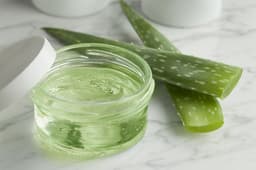
Eczema, also known as atopic dermatitis, is a prevalent health condition characterized by red rashes and scaly patches of skin that cause an uncontrollable urge to scratch. The skin also becomes dry, increasing sensitivity to chemicals like cleansing agents. While there are treatments for eczema, natural remedies work better for some people, especially if they experience mild symptoms. So, let us take a look at a few natural remedies for this skin disease.
Wear cotton clothes
Clothes made of 100% natural cotton are soft. They do not rub against your skin, reducing itchiness. Natural silk or fabrics coated with antimicrobial agents, such as silver, silver-containing compounds, zinc, and quaternary ammonium compounds, are also suitable for preventing infection. These materials reduce the evaporation of the natural moisturizing agents from the skin. On the other hand, garments made of wool are insulators. They increase the heat on the skin, enhancing the urge to itch, and are not recommended if you show symptoms of eczema or another skin disease.
Apply natural oils
Sunflower seed oil is an excellent natural remedy for several skin diseases, including eczema. The oil’s anti-inflammatory agents prevent adverse reactions on the skin, reducing itchiness and slowing the condition’s progression. They also restore the skin’s ability as a barrier between the human body and the outside environment. Virgin coconut oil is a natural alternative to sunflower seed oil. Its antimicrobial properties help control eczema by preventing infection. Coconut oil also acts as an emollient, reduces dryness, and provides relief, decreasing itchiness.
Take a dilute bleach bath
Studies have shown that dilute bleach baths help people affected by eczema. The optimal concentration is 0.005% sodium hypochlorite (bleach), obtained by mixing half a cup of lower-strength (6% sodium hypochlorite) bleach in a bucket of water. A bath for five to ten minutes twice a week reduces the symptoms’ severity. Do not use a high bleach concentration, as it causes excessive irritation.
Try herbal treatment
Herbal preparations have beneficial ingredients that relieve several skin diseases, including atopic dermatitis. They contain anti-inflammatory, antimicrobial, and barrier-restoring agents that prevent infections and reduce dryness and itchiness in the affected area. Some common ingredients used in herbal therapy include turmeric, cardamom, neem, sarsaparilla, arnica, jewelweed, and pansy flower.
Manage stress
Physical and mental health are co-dependent. Many studies have shown that abnormal levels of mental stress trigger different skin diseases like eczema. Thankfully, there are several effective stress management techniques to promote peace of mind. A few examples are deep breathing exercises, yoga, meditation, tai chi, journaling, massage, guided imagery, journaling, stretching, and early morning or evening walks.
Avoid the triggers
The best way to manage eczema flares is to avoid contact with allergens that trigger the condition. For some people, chemicals are the culprit. They are found in cleaning agents, detergents, cosmetics, hair dyes, synthetic fragrances, and nickel. Others might be allergic to foods like soy, peanuts, shellfish, wheat, milk, eggs, fish, and tree nuts. Further, environmental factors like dust, mites, bugs, pollen, and sawdust can also worsen this skin disease. So, you must try to understand what triggers your condition and stay away from it.
Get sufficient vitamin D
Eczema symptoms are more prevalent during winter than in summer. This could be because of low sunlight during winters; the human body is heavily dependent on sun rays for acquiring vitamin D. Thus, vitamin D supplementation can prevent the worsening of eczema. Besides sunlight, some rich sources of vitamin D are raw veggies (carrots, broccoli, and mushroom), fruits (apples, almonds, and bananas), grains (wheat and brown rice), and poultry (chicken breasts and eggs).
Follow a healthy food plan
Most people pay little attention to what they eat. However, healthy food habits are essential in preventing and managing skin diseases like eczema. Doctors recommend drinking sufficient water to keep the body and skin hydrated and avoiding processed foods to reduce harmful compounds in the blood. Eating fiber-rich foods is also essential, as fiber helps absorb nutrients from the food. Further, loading up on fresh fruits or juice is vital for antioxidants.
Get sufficient prebiotics and probiotics
The body requires healthy bacteria to boost the immune system, regularize metabolism, and perform several other functions. Probiotics are required to maintain the level of good bacteria. They can be found in yogurt, curd, milk, sauerkraut, cheese, pickles, kemp, buttermilk, and kombucha. After growth, prebiotics help to nourish the bacteria. Some foods rich in prebiotics are fruits, green leafy vegetables, legumes, cocoa, chicory, and berries.
Consider acupuncture and acupressure
Acupuncture helps deal with pain and relieve stress. It induces biochemical changes in the body to propagate self-healing and emotional well-being. Acupressure, on the other hand, involves applying intense pressure at specific points identified by a practitioner. The aim is to activate nerves and promote. Studies have proved these methods effective in treating various ailments, including eczema.
Stay in high altitudes
Staying in regions at altitudes ranging from 1,000 to 1,600 meters above sea level reduces eczema rapidly. The higher elevations create a balance between heat and water loss experienced by the skin. High atmospheric pressure also keeps skin moist. This remedy mostly benefits those with lifelong eczema caused by genetic predispositions.
Use wet wraps
When experiencing flare-ups, apply a damp cloth over the affected area for a few hours, preferably before bedtime. It increases the moisture content in the body and helps the skin repair its epidermal layer. But though it provides rapid relief, the increased water activity increases the risk of infection by favoring the growth of microbes. A sterile cotton gauze fabric is the safest option for implementing this remedy.
Though many modern treatments are available for skin diseases like eczema, traditional and natural management methods also provide relief. They usually have minimal side effects and can be practiced by anyone at home. However, you should discontinue a remedy and consult a dermatologist if you experience undesirable results. In mild cases of eczema, the symptoms may disappear without causing much impact on the body. It is due to the body’s ability to self-heal.

Type 2 diabetes – 9 early signs to be aware of
Anyone who has type 2 diabetes or has someone suffering from it knows that it can be a life-altering condition. What’s even more alarming is that many people may not recognize the symptoms (like excessive hunger and fatigue) until it’s too late. This blog post will explore some of the significant signs of type 2 diabetes to look out for. We will also discuss the preventative measures to control high blood sugar.
What is type 2 diabetes?
Type 2 diabetes is a health condition usually resulting from high blood sugar levels in the body. It occurs when the body either does not produce enough insulin or cannot use the insulin it produces effectively, leading to high blood sugar levels.
As diabetes is a progressive disease, those afflicted must regularly observe their blood sugar levels to stay healthy. They may also consult a nutritionist and receive a suitable prescription.
Getting the right treatment necessitates identifying the symptoms of diabetes (or high blood sugar). The symptoms may be subtle or harmless, like increased thirst and hunger. However, persistent symptoms, such as fatigue and vision problems, must be checked.
Early signs of type 2 diabetes that should not be ignored
The sooner a person identifies the symptoms of high blood sugar, the sooner one can build a treatment plan to follow for a healthy life. Here are the 9 common early signs and symptoms that will help you recognize the onset of type 2 diabetes and control high blood sugar.
Frequent urination
People with type 2 diabetes often experience polyuria or an increased need for urination. It’s caused by the inability of their kidneys to filter blood and transport glucose back into the bloodstream. The surplus of glucose can’t be reabsorbed in the blood, which forces additional water out. It may require frequent bathroom visits. Some people may have to get up every couple of hours at night to urinate.
Excessive thirst
Excess thirst, also known as polydipsia, is one of the classic warning signs of type 2 diabetes. One may often experience thirst that cannot be relieved by regular drinking, leading to interruptions in sleep and other activities. While increased urination due to excess sugar in the body can explain this phenomenon, increased stress levels may also impact one’s need for hydration.
High blood sugar leads to excessive thirst or dry mouth because the excess glucose forces the kidney to work harder to eliminate the excess glucose. As more fluids leave one’s body, one will feel thirsty and dehydrated throughout the day. Hence, make sure to consume plenty of water to prevent dehydration.
Frequent hunger
People with type 2 diabetes experience polyphagia, which causes extreme hunger. This is because, during high blood sugar, the body excretes glucose through urine, leading to decreased calories. To compensate for this energy loss and balance out the system, a person may experience an insatiable appetite even after eating meals.
Fatigue
Diabetes can make a person feel exhausted in two ways – when the body cannot process glucose from the blood for energy or when dehydration from excess urination sets in. The resulting fatigue can cause mood swings or irritability, eventually resulting in stress. Additionally, when blood sugar levels are too high or too low, the body does not receive enough energy to function properly. This leads to fatigue and a general lack of energy.
Vision problems
Excess blood sugar levels may damage the blood vessels in the eyes, leading to vision problems, including blurry vision, in one or both eyes. Persons with diabetes are much more likely to develop eye diseases, such as cataracts, glaucoma, or diabetic retinopathy.
Without regular monitoring and treatment, they risk developing permanent vision loss in both eyes. A dilated eye exam may detect any existing problems and avoid potentially serious complications.
Swollen or tender gums
Diabetes may make it harder for a person’s body to fight infection, which raises the possibility of infection in the bones that support the teeth as well as in the gums. If one has a gum infection before diabetes sets in, one may be at a higher risk of developing ulcers or pockets of pus in the gums, teeth becoming loose, or one’s gums pulling away from the teeth.
Numbness and tingling
Type 2 diabetes affects blood circulation and damages the nerves, preventing adequate nutrients and oxygen supply and causing a pin-pain or sensation of tingling or numbness in the hands, feet, toes, and fingers. This condition, when extreme, makes it difficult to take notice of injuries or pressure. As a result, a person may be at risk for increased tissue damage due to unnoticed issues such as burns, scrapes, blisters, or cuts.
Changes in skin
Poor circulation due to type 2 diabetes may result in dry, itchy skin and patches of hardened skin. These patches form when fluid is drawn out from the cells to create extra urine caused by too much sugar entering the system.
Delayed healing
Since diabetes can affect blood circulation, one’s body will have difficulty delivering new blood and immune cells to the wounded area. Therefore, even a mild cut or wound might take weeks or months to heal. Moreover, high blood sugar tends to weaken the immune system. It will make one more susceptible to bacterial and yeast infections, as the immune cells cannot fight against them.
Wrapping up
Early intervention for type 2 diabetes is essential for a positive outcome. Don’t wait until the symptoms become severe or troublesome to seek professional advice and treatment. Vigilant high blood sugar monitoring and proper lifestyle modifications may help reduce the symptoms of diabetes. Additionally, eating balanced meals that combine nutrient-dense foods, regular physical activity, and maintaining a healthy body may help reduce one’s risk of developing diabetes.
6 senior-friendly liquid detergents
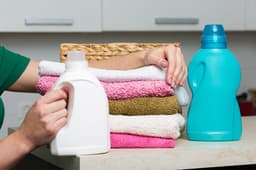
Fabric cleaning and washing products are loaded with chemicals and can cause skin allergies, respiratory problems, headaches, and blurred vision. Seniors face a higher risk from these products as their overall health issues increase with age. Thus, it is imperative for them to choose certified and safe products for all sorts of laundry needs to stay protected from preventable emergencies. Accordingly, here are some top senior-friendly laundry detergents and cleaning products to note.
Six best senior-friendly liquid detergents for use
Based on the above guidelines, here are six great senior-friendly liquid detergents for daily use:
Tide Purclean Honey Lavender Liquid Laundry Detergent
The Tide Purclean Honey Lavender Liquid Laundry Detergent is Tide’s first plant-based liquid detergent. It is certified by USDA and is free from dyes, chlorines, dyes, phosphates, or optical brighteners. It is available in 24, 32, 48, and 64 ounces and is safe to use in all washers. The perfume is mild, and it can remove the grittiest of dirt.
Puracy Natural Stain Remover
If you are looking for spotless clothes and stains bother you, you can try the Puracy Natural Stain Remover. It can remove all types of stains caused by wine, food, coffee, or oil, and the associated odors. It also works on all fabric types, including your delicate clothes, linen, bedsheets, carpets, and floor mats. If you use cloth diapers, this product can also clean them perfectly without any stains or odor.
Persil® ProClean®
Persil is one of the best liquid detergents for removing tough stains and has been a favorite detergent for decades. It can be used in all types of washers and for all water temperatures. If you have some old, unnoticed stains, and your current detergent has been ineffective, you can switch to Persil, as it can remove tough old stains too. It is available in 40 oz bottles that seniors can handle and use without difficulty.
Botanical Origin Laundry Detergent
Botanical Origin Laundry Detergent is a plant-based liquid laundry detergent. It is completely free from synthetic dyes, fragrances, phosphates, parabens, and brighteners. It is safe for babies and seniors; it is hypoallergenic and has been tested by dermatologists. You can use it with cold and warm water. The senior-friendly laundry detergent has a beautiful fragrance, containing natural orange blossom and citrus essential oils. It is also cost-effective as one 54 oz bottle can wash about 72 loads of laundry, bringing your per-wash cost to the minimum.
Seventh Generation Free and Clear Fragrance-Free Natural Liquid Laundry Detergent
Seventh Generation Free and Clear is a popular and loved detergent brand. The brand has launched a plant and mineral-based liquid detergent that is safe for all and does not carry any risk of health issues for seniors. It is easily available in retail stores and online stores. It has been tested by dermatologists and certified by EPA and USDA certified. If you prefer a detergent with fragrance, it also comes with a fragrance option. It is available in smaller bottles, and a 40 oz container can wash 53 loads making your per-wash-cost affordable.
Cleancult
Cleancult is an eco-friendly product that is hypoallergenic and non-toxic to the environment. It comes in refillable-glass bottles of 32 oz each, and you can wash 64 loads of laundry with it. It is available in Juniper and Sandalwood fragrances made from essential oils. It is also available in a no-fragrance option.
Now that you know which laundry detergents are best for seniors, here are some additional tips for choosing the right option.
Benefits of liquid detergents
The main types of laundry detergents available in the market include liquid, powder, single-dose pods, tablet detergents, and laundry sheets. While single-use pods, tablets, and laundry sheets are convenient, they are expensive; powder detergents can be difficult to use for seniors. Liquid detergents, in contrast, are efficient for all stains and convenient to use. They dissolve immediately and cause less foam requiring less water. Unlike powder detergents, they do not leave any residue on your clothes. You can also find hypoallergenic, eczema-friendly liquid and 100% organic liquid detergents for seniors with sensitive skin.
Tips for choosing the right liquid detergent for seniors
Find out how much liquid detergent is needed every month based on the volume of laundry, type of machine, water quality, and fabric used.
Identify the most effective cleaner for tough stains, as spilling food is common as one ages. You can also look for products that remove odors if you have incontinence or wear diapers.
If you have sensitive skin, psoriasis, or eczema, buy hypoallergenic detergents that are safe for the skin.
You can also opt for detergents available on subscription, where you pay once, and your detergent is delivered to your doorstep every month.
Compare the costs of more than one brand and work out the cost per wash to get the best value for money.
Look for detergents that are available in smaller sizes and containers so that you can lift and use them conveniently. Large containers may be cheaper, but lifting them and pouring them into the measuring caps may be cumbersome. If liquid detergent spills onto the floor, it can cause slips and lead to serious injuries.
Read the ingredient list and ensure that the liquid detergent does not contain any harmful chemicals.
Choose brands approved by the Environmental Protection Agency (EPA) or the United States Department of Agriculture (USDA). If you have sensitive skin, look for products recommended by dermatologists or by the National Eczema Association and National Psoriasis Foundation.
Additionally, it is crucial to avoid certain ingredients in products. Given below is a list of ingredients that can be found in household cleaners and laundry detergents.
Eight harmful household chemicals that seniors should avoid
Some of the common chemicals found in laundry detergents that cause adverse health impacts in seniors include:
1,4-Dioxane, used as a solvent and degreaser, is a carcinogen.
Sodium Laureth Sulphate (SLS), a foaming agent, can cause eczema, rosacea and psoriasis.
Sodium hypochlorite, known as bleach, is an optical brightener that converts UV light to visible light and makes white clothes look brighter. It can cause lung and skin irritation.
Formaldehyde, a preservative, can irritate the skin, lungs and eyes.
Phosphates used to soften hard water can cause nausea, diarrhea, and skin problems.
Nonylphenol ethoxylate can lead to poor reproductive growth, early menstruation, and low sperm count.
Benzene, a surfactant to release dirt from clothes, can irritate our eyes, skin and nose.
Synthetic fragrances are added to keep the clothes smelling fresh after washing. They are usually a combination of thousands of chemicals and can trigger asthma and other respiratory symptoms.

Essential foods to eat and avoid during menopause
Menopause is a natural physiological transition that signals the permanent end of menstrual cycles. It is preceded and followed by several hormonal changes, leading to symptoms like heat flashes, sleep cycle disruption, and vaginal dryness. Unless they are severe, these symptoms do not usually require any medication. However, one’s lifestyle, such as what one eats or avoids, can alleviate or aggravate these symptoms. So it is essential to make certain food changes during menopause.
Foods to eat during menopause
Here are a few foods to eat when one is going through menopause:
- Yogurt
It is a nutrient-dense food with a lot of health benefits. It is enriched with calcium, phosphorus, potassium, magnesium, and vitamins D and K and helps balance estrogen levels, which decline during menopause. Adding yogurt to breakfast smoothies or having it as a snack can also help improve bone density since low estrogen increases susceptibility to bone breakage. - Fatty fish like salmon
Fatty fish include anchovies, herring, mackerel, salmon, black cod, sardines, bluefin tuna, whitefish, striped bass, and cobia. These are rich in omega-3 fatty acids. Moreover, these have antioxidant properties. Regularly eating these can help alleviate a few menopausal symptoms by lowering the severity of night sweats and the frequency of hot flashes. - Cheese
Cheese is one of those foods that is often deemed unhealthy. However, it can be eaten guilt-free since it has several health benefits for those undergoing menopause. Including cheese in salads, sandwiches, and pasta can help manage perimenopausal (the phase before menopause begins) and menopausal symptoms. It can also be a standalone snack, such as cheese sticks, to get all the essential nutrients, such as protein, calcium, potassium, phosphorus, magnesium, and vitamins K and D. - Whole grains like barley
Whole grains are packed with many minerals and nutrients, which are great for combating the effects of menopause. Brown rice, barley, quinoa, rye, buckwheat, oats, wild rice, bulgur, corn, and sorghum are tons of options for adding whole grains to meals. If looking for packaged foods made from whole grains, always read the label to check whether whale grin is listed as the first ingredient. This ensures that the product is genuinely whole-grain-based. - Dark berries
Raspberries, strawberries, blueberries, and blackberries add vibrancy and color to meals and snacks and add a lot of nutrients. Rich in antioxidants, these berries help alleviate symptoms such as hot flashes. A great way to add these dark and colorful berries to meals is by topping them on cereals or salads and mixing them in juices and smoothies. Eating a handful of berries as snacks whenever hunger pangs strike can also help manage menopause and perimenopause. - Cruciferous vegetables like cabbage
Cruciferous vegetables contain calcium, proteins, and plant estrogens (phytoestrogen). They are a perfect addition to meals for managing menopausal symptoms. These veggies help in balancing estrogen levels that go on a decline during this phase. Some common cruciferous veggies that can be added to meals such as pasta, stir-fries, salads, soups, broth, and stews include arugula, bok choy, broccoli, brussels sprouts, cabbage, cauliflower, and collard greens. - Grapes
Dark-colored grapes are particularly good for those looking for food changes during menopause. This fruit contains natural estrogen and vitamin C—these help deal with vaginal dryness, mood swings, hot flashes, and sleeping problems. Eating a handful of grapes a couple of times a week can help reap this fruit’s nutritional benefits. - Eggs
Whether poached, fried, or boiled, eggs have several benefits that help improve overall health. For those undergoing menopause, eggs’ rich protein and iron content are needed to manage the various symptoms. Protein and iron keep the blood sugar level stable and improve bone density, preventing mood swings and susceptibility to fractures. - Legumes like chickpeas
Legumes are another significant source of calcium, protein, and phytoestrogen. So it is useful to add them to meals as part of the essential food changes during menopause. Moreover, these are rich in fiber, carbohydrates, B vitamins, iron, copper, magnesium, manganese, zinc, and phosphorus. All of these help improve overall health and keep infections at bay. Chickpeas, black beans, green peas, lima beans, kidney beans, black-eyed peas, and navy beans must be added to regular meals to manage menopausal symptoms effectively. - Flax and chia seeds
Flax, chia, and hemp seeds add that necessary crunch to homemade granola bars, cookies, bread, salads, and trail mixes. Furthermore, they are loaded with many essential nutrients, and these seeds are a must-have for the kitchen. Rich in proteins and omega-3 fatty acids, these seeds help relieve several perimenopausal and menopausal symptoms.
Foods to avoid during menopause
Certain foods can aggravate the symptoms of menopause. Therefore, it is sometimes recommended to avoid these as part of the food changes during menopause.
- Processed foods like chips
Processed foods, such as packaged snacks, including potato chips and cookies, have high sodium and sugar levels. Moreover, they contain significant levels of trans fats. All of these cause the boy to retain water. This causes bloating, which can worsen menopausal symptoms. - Spicy foods like jalapenos
Extremely spicy foods high on the heat scale can cause flushing and sweating. This can trigger extreme episodes of hot flashes. So instead of adding spicy ingredients such as jalapenos, it is recommended to use mild spices and flavors such as cumin, basil, and turmeric. - Fast foods like burgers
These foods may be convenient at the drive-thru, but they can aggravate menopause symptoms. This is because burgers, pizzas, french fries, and other fast food are usually made with high levels of sodium, sugar, and unhealthy fats and carbs. These are bad for overall health as well as during menopause. - Fatty meats bacon
Fatty meats such as bacon and brisket are high in saturated fats. These can trigger heat flashes and cause a lot of discomfort. In addition, these meats can lower serotonin levels in the body. The drop in this hormone affects mood, leading to irritability and grumpiness.