
Manage COPD With These 5 Immunity-boosting Foods
Chronic obstructive pulmonary disease (COPD) is a lung condition characterized by obstruction in airflow from the lungs. It is typically caused by chronic bronchitis, emphysema, or exposure to irritants or particulate matter. The symptoms of this condition include wheezing, difficulty breathing, cough, and mucus production. It is a progressive condition and, as the name suggests, chronic. However, you can manage it through lifestyle and dietary changes, and a good quality of life is within reach.

COPD and the immunity
COPD is a complex condition affecting multiple organ systems. Though the illness can cause various complications like heart problems, high blood pressure, and lung cancer, the relationship between COPD and immunity is perhaps the most complex. Chronic inflammation is a complication of this condition and is a strong indicator of the immune system’s involvement in COPD. Chronic inflammation compromises immune functioning, allowing pathogens to make your lungs their new home. Since exposure to irritants is implicated, there is a natural response from both structural and immune cells in the lungs. Individuals with COPD are much more likely at risk of respiratory infections like colds, pneumonia, and flu, making breathing more difficult and damaging the lungs further.
Managing COPD
Though a diagnosis of COPD is not immediately life-threatening nor as scary as a cancer diagnosis, it will not be easy. However, it is possible to handle them better if you are well-informed.
First, safeguard your lungs by preventing flare-ups. It could mean taking prescription treatments to prevent infection, avoiding allergens, and avoiding unhealthy lifestyle habits. Though exercising becomes more difficult due to difficulty breathing, moderate physical activity in the right proportions can do wonders while coping with this chronic condition. Be sure to discuss with a health expert the kind of physical activity that will benefit your condition. Of course, like with any chronic illness, there is the problem of coping with negative emotions. Fear and anxiety are not far away; thus, identifying and handling them is necessary. Do not hesitate to talk to your loved ones or occasionally seek a professional mental health expert to regain confidence or mental peace. You can also seek out support groups for patients with COPD to discuss your experience with others and share tips on managing the chronic condition. It is also essential to consult with your caregivers about what you may need if the situation worsens. Finally, the food you eat daily also influences your breathing patterns; therefore, it is important to get the proper nutrients to help you manage COPD. With these management tips in mind, enhancing your quality of life is possible even with COPD.
Immunity-boosting foods for COPD
A healthcare professional or a nutritional expert will likely advise you about COPD-safe foods apart from giving you an exercise regimen and other support to maintain your well-being. You can help accelerate the process to better health by including immunity-boosting foods in your diet. As mentioned before, COPD and immunity are interrelated, so it is crucial to attack the problem from both sides. You can use the following five foods to boost immunity and fight COPD.
Ginger
Ginger is the best ingredient to boost immune functioning and reduce the inflammation associated with COPD. This spice is excellent for managing the cold and flu symptoms that become common due to increased infections and helps recover after an infection. Ginger is an ingredient that suits various healthy dishes, so one can easily incorporate it into the daily meal plan.
Blueberries
This little berry is loaded with antioxidants like anthocyanins. They protect lung tissue from oxidative damage and are also known to improve immunity. Add some to your smoothie, or enjoy them as an afternoon snack to protect and preserve your lung functioning.
Oysters
This mollusk is packed with nutrients essential to maintaining and improving lung health. Zinc, copper, and selenium, which are needed for the lungs and immunity, are available in micro amounts. Further, these nutrients also tackle comorbid conditions like high blood pressure and vitamin B12 deficiency.
Coffee
Apart from waking you up in the morning, coffee also has the power to protect your lungs. This caffeine-rich drink is full of antioxidants that are essential for lung and immune functioning. Many studies indicate that coffee can protect the lungs from respiratory disease. It acts as a vasodilator, reducing high blood pressure as well as symptoms of asthma on a short-term basis.
Barley
A nutritious, high-fiber grain that can protect your lungs is barley. Those with COPD have an increased risk of mortality due to lung-related complications, which this whole grain can guard against. The flavonoids and vitamin E in barley reduce cellular damage associated with COPD and actively promote lung health, making it an ideal ingredient to add to your plate.
Other healthy food items
Apart from these five foods to boost immunity, there are also items like bell peppers, sunflower seeds, olive oil, papaya, and citrus fruits that can help cope with COPD. One can easily manage COPD by being mindful of what foods one eats and how one’s body reacts. Along with genetics, nutritional habits are a trigger that sets off COPD. So be sure to eat carefully. Furthermore, before making significant changes to your daily meal plan, consult a nutritional expert to determine if a particular food item suits you.
Remember that healing is a collaborative process. One cannot effectively cope with COPD without the help of others. It could be the doctor who helps you identify what food is good for you, a nutritional expert who enables you to plan your meals or a loved one. Be sure to ask for and get help when you need it. Do not hesitate to ask questions to your healthcare professional and see that your treatment plan suits your needs.
You May Also Like

Modifying homes for people with poor vision
One of the top reasons for low vision and blindness in people over 55 is macular degeneration. Macular degeneration causes loss of vision due to damage to the macula in the retina of the eye. It can be difficult for people with this condition to live in inaccessible homes. So, to ensure ease of maneuverability for people with macular degeneration or similar conditions, here are 13 tips to make a home low-vision friendly.
Use clear and contrasting colors for walls
The key to making a low-vision-friendly home is using light and dark colors. Dark colors can be complex for those with low vision, but if used intelligently, it can make all the difference. The answer lies in how light reflects off certain surfaces. If you have a bright yellow wall with black trim around it, then any space adjacent to it will be illuminated by daylight coming through windows above them. Contrasting shades like white or black help keep things cooler by reflecting out more heat than they receive from direct sunlight.
Place essential items in your line of sight
Ensure that important items, such as mobility aids, phones, and other necessities, are within your line of sight and not obscured by something else in the room. Use a magnifying glass or lamp to help you see things. Also, try placing things exactly where they need to be instead of trying for an open space like an empty shelf.
Create a unique work area for yourself
Make a unique work area for yourself that you are familiar with. Keep your work area well organized and clean, and make sure you have enough space to work comfortably. Also, note that you have enough light, especially if you are working on small pieces of paper or pictures that need to be read clearly.
Use good lighting
Good lighting is essential to a low-vision-friendly home. It allows you to see clearly and it reduces the glare, making it easier for your eyes to adjust. Use natural light in addition to artificial light; you should use both types of lighting throughout the day, especially if there are windows near where you spend most of your time. The best way to do this is by using lamps or ceiling lights that provide both types of illumination (such as fluorescent bulbs). Another tip is to combine incandescent bulbs with LED bulbs – They produce warm tones with more natural-looking light than CFLs or LEDs. However, they can be more expensive because they often require replacement after about ten years.
Use the correct font size for signage
When it comes to reading signage, font size is critical. It must be large enough to see clearly and understand what is on the sign without straining your eyes. Some fonts may need to be larger and bolder for one to read them without glasses or contacts. Use serif fonts like Arial or Times New Roman instead of sans serifs like Helvetica Neue or Georgia, and choose a larger font size than 12 points.
Label cabinets, cupboards, and drawers with braille labels
Label cabinets, cupboards, and drawers with braille labels. Braille labels are easy to read and inexpensive. They typically come in different sizes and colors to suit your needs.
Try talking devices to help you do things around the house
You can also consider voice-activated devices to help you do things around the house. For example, if you need to take a shower or do other household tasks with ease, it is essential that your device is easy to use and can provide clear audio feedback. Make sure the device has been approved by your doctor, and check out their website for more information on how they work.
Put up rubber mats in a bathtub or shower
If you have low vision, it is vital to put up rubber mats in the bathroom and kitchen, basically any area with the risk of a slippery floor. To be twice as cautious, place anti-skid mats in your entrance way too.
Install cane-detectable barriers at staircases
You can install cane-detectable barriers at the top and bottom of your stairs to make sure that people who use canes know where they are. Cane-detectable barriers are usually made of plastic, so they will not damage floors or walls if they fall.
Avoid clutter in an open area or room
Clutter can make it difficult to find things. This will make life more challenging for those with advanced macular degeneration or other low-vision issues. Also, any clutter can be dangerous for those who walk around with their eyes closed—people who are visually impaired may not realize something is in front of them until they bump into it head-on. This may lead to further issues like bruises, sprains, or even a concussion.
Opt for contrasting colors and textures whenever possible
Rather than picking a monochromatic scheme for your rooms, opt for contrasting colors and textures that can help you differentiate between things. If your furniture is dark-colored, pick a light color for the wall. If you have chosen a smooth finish for your cupboards and cabinets, pick a textured wall or large accent pieces. These tips will give you a better look at things and make them easier to see. You can also ensure that any small appliances and electronics are bright colored if the shelves are dark and vice versa.
Having a guide dog or pet
Dogs are a great help for people with low vision. They can help you find things quickly, get around the house, and communicate with others. Guide dogs can be trained to do many things, such as finding items, walking on a leash or leading you through your home, and turning lights on and off.
Prepare for emergencies
As an individual with macular degeneration and related issues, it is crucial to build a network of people who can come to your aid if needed. Get to know your neighbors and have a plan in place for what to do in case of an emergency. Keep an emergency first aid kit at home, with extra supplies such as bandages, gauze pads, and tweezers on hand, and be sure you have the address of your closest hospital handy. Also, keep a list of essential phone numbers convenient (like 911) and names and contact information for people who can help in an emergency—friends or family members who live nearby!

6 Mistakes to Avoid While Booking Concert Tickets
Purchasing concert tickets is a complicated task. Even when one does everything correctly, results are not always what one would like. Also, the availability of tickets both online and offline makes the purchasing procedure considerably more difficult. One might even be conned out of their hard-earned money in a matter of minutes if things don’t work out. So, it’s crucial to understand the mistakes that could be made and how to avoid them.
6 concert booking mistakes to avoid
You could be there cheering and enjoying the concert of your favorite performer this year if you try and avoid making the following mistakes.
Not doing your research
When planning booking tickets for a concert, it is necessary to check online where the tickets are available. Some tickets could be scams, some might not be easy to use, and others might not even carry tickets for the event you are interested in. Additionally, some sites offer tickets at lower rates than others. All this background research takes time, and having a friend who can guide you through this is ideal. But before deciding which website to trust, you also must get the details of the concert. Where is it? When is it? Does it overlap with an important meeting? Do you need to travel far? All these queries must be answered before booking since most sites do not allow cancellations. Planning could save you a lot of trouble.
Waiting till the last minute
Are you the kind to put something off till you absolutely have to do it? Well, try to keep this habit from interfering with your 2023 music tour plans. Booking concert tickets last minute has many drawbacks. Firstly, you often end up paying more. As demand increases and the concert is closer, your ticketing company will likely make you overpay. Secondly, the best tickets in the house are possibly long gone. Concert ticket sales go live months before the event, so checking for tickets early ensures you get the best seats. Finally, early booking makes you less likely to fall for a scam. You have more time to research and thus are likely to find a reliable website. Last-minute bookings allow you to think less clearly, and scammers often use desperate fans to earn money.
Not signing up for the pre-sale tickets
Many of us ignore the pre-sale ticket benefits. Most artists have a fan group on social media where they may announce pre-sale offers and discounts on tickets for their upcoming concerts. They sometimes also hold a giveaway on their social media account where they may give free tickets to a few of their lucky fans. So make it a point to join one of these groups and keep an eye out for the announcements.
Not comparing the prices
One of the major mistakes that people make while booking tickets is not comparing the ticket prices on various websites. It is highly recommended that you look up concert ticket prices on various credible websites, compare them, and then book from the website that offers you the best deal. If you do not compare the prices on various platforms, you could end up paying an unreasonable amount for the tickets.
Refreshing the website
Your favorite musician is on tour, and you log on to a reliable website to discover the best tickets for the show at a venue close to you. You wait with bated breath to book the tickets, and just when you are about to click a book, you click that little button that refreshes the webpage. This beginner’s mistake can make you lose your chance at the perfect seats, and you might need to start the booking process all over again. Remember to avoid this fatal error and simply wait. Since a large number of people are usually trying to book the tickets at the same time, the page is likely to slow down. However, be patient and wait so that your data and selected seats are not lost.
Being impatient
The most common mistake one can make while buying concert tickets online is not being patient. This often disrupts the booking process and can be a harrowing experience that, at the time, seems like more trouble than it is worth. But rest assured that the angel song of your favorite musician could be an experience you treasure all your life if you manage to stay calm. Be well-prepared and confident in your research. You must not let a little trouble cost you the experience of a lifetime. Try to use multiple devices or make the booking with friends to ensure you cover all bases. Keep composed and level-headed, and remember what mistakes you must avoid and what steps will lead you to success.
Bonus tip
Apart from the above errors to look out for, there are some things you can do to make your concert ticket-buying experience a lot easier. Sites like Vividseats are created to make your music tour seat more accessible and conveniently available. The following are three music and event ticket-buying websites you can trust to get you a front-row seat for the best experiences in 2023.
Besides avoiding the above mistakes, people can also head to websites like Vivid Seats to book tickets to their favorite concerts this year. One can also filter out 2022 and look for all the music tours taking place in 2023. Moreover, Vivid Seats allows you to earn rewards for buying tickets through their site. The Vivid Seats app is easy to use and gives you a pleasant booking experience, and you can even get a refund if you cancel the tickets. If you are a “Hall of Famer,” a music buff, you can get an exciting non-expiring credit on your tickets. So, head on to their website and grab the best deals on concert tickets.

Managing diabetes – 7 foods to avoid
Diabetes is a chronic health condition characterized by excessive levels of blood sugar. It is a severe condition that has to be treated properly to avoid future complications. Making nutritional changes can prove effective to a great extent in managing diabetes. Avoiding certain food items in your daily meal plan can help your body regulate high blood sugar better and stay healthy. Below are some food items that are best avoided for people with diabetes.
How do nutritional habits impact diabetes?
A healthy, balanced meal plan comprising nutrient-rich foods low in sugars, saturated fats, and processed foods helps you manage diabetes better. People with diabetes must focus on eating whole grains, fresh fruits, vegetables, fish, nuts, legumes, and healthy fats like olive oil rather than processed snacks or red meats.
Sugar levels in the blood are sourced from carbohydrates taken in by a person. The more carbs eaten, the higher the blood glucose level will be, leading to conditions like diabetes. It necessitates cutting down on certain foods and drinks to keep your sugar in check. However, one must not avoid eating carbs altogether, as they are the body’s primary source of glucose and energy. Instead, eating controlled portions of carbs may help you approach diabetes management healthily.
Foods to avoid to manage diabetes
Here is a list of food items that are best avoided to keep blood sugar levels in check and keep conditions like diabetes at bay.
Dried fruits
While whole fruits can be a nutritious addition to your meal, intake of dried fruits can spike your blood sugar levels. These fruits are dried and processed with sugar content to eliminate the bitter taste. For instance, raisins have three times more carbs when compared to grapes. Even if the package mentions the words “no-sugar-added” or “low-sugar,” it is advised to monitor the portion sizes you eat. For people with diabetes, it is better to stick with low-sugar-containing fruits such as fresh berries and watermelon.
Dairy products
Dairy products provide the body with the necessary vitamins, proteins, and calcium. However, they also contain a naturally-occurring sugar called lactose that spikes blood sugar levels. Full-fat dairy products such as sweetened yogurts are high in saturated fat, which can be hard on your blood sugar level and circulatory system. On the other hand, eating dairy-free alternatives such as coconut milk, nut butter, avocado, soy milk, or almond milk may help a person meet their nutritional needs.
Trans fats
Trans fats are a significant source of calories but lack essential vitamins and minerals. Trans fats are available in peanut butter, creamers, margarine, frozen dinners, packaged and other baked goods, added to extend their shelf period. Even though trans fats don’t affect blood sugar directly, research indicates that they might cause decreased levels of good cholesterol, unhealthy body mass, insulin resistance, and impaired circulatory system functions. As a result, eating trans-fat-containing food may lead to high blood sugar levels. Furthermore, a meal plan rich in trans fats, such as processed pastries and deep-fried foods, can put a person at risk for stroke and heart disease. So switch to healthier alternatives like canola oil and vegetable oils.
Breakfast cereals
While easy-to-prepare cereal like cornflakes or chocolate-filled cereals may be comforting and convenient, many are full of refined carbs and sugars. Combining added sugars with refined carbs will increase the food’s glycemic index, implying that it will cause an uncontrollable spike in blood sugar levels. They are quickly digested, resulting in an increase in glucose levels in the bloodstream. Hence, opt for whole grains like oatmeal or whole wheat toast paired with protein sources like eggs or nuts. These alternatives may provide sustained energy throughout the morning while providing essential nutrients.
Flavored coffee drinks
Research indicates that drinking plain black coffee has certain health benefits, including its significant role in reducing the risk of diabetes. However, flavored coffee is no better than liquid desserts, like milkshakes and custard, with a high concentration of carbs and sweeteners. Thus, it may lead to high blood glucose and unhealthy BMI. Moreover, your brain doesn’t consider flavored coffee a fulfilling nutrient source. It may not change your appetite, increasing your cravings for unhealthy food choices. Hence, it is better to choose espresso or plain unsweetened coffee to prevent high blood sugar levels.
Refined grains
Refined-grain foods may increase your blood sugar levels, including white rice, white bread, white pasta, and other bakery items made from white flour. One should reduce their intake of refined sugars and starches that can lead to high blood sugar by avoiding these heavily processed grains. Opt for nutrient-rich whole grains like barley, quinoa, oats, and millet. Not only are they higher in fiber, but they also take longer for your body to break down. It also reduces the amount of insulin (thus, glucose) needed to process them.
Fruit juices
Although fruit juices seem like a healthy alternative to soda, they often contain added sugars and sweeteners that can cause blood sugar to spike fast. So choose fresh fruits like apples and oranges instead of juices whenever possible. Moreover, the high fiber content of fruits will be lost in the juice form, reducing its impact on better management of sugar and cholesterol levels. Like other artificially sweetened beverages, fruit juices lead to heart ailments, insulin resistance, and unhealthy body mass. Instead of fruit juices, drink plenty of water for hydration and drink lime water as a refreshing dessert to control excessive blood sugar levels.
Eating less-sugary foods is the most effective way of lowering high blood sugar levels. Besides avoiding the food mentioned above, it is essential to maintain a balanced nutritional regime with plenty of fruits and vegetables. A healthy nutritional plan should include nutritious food groups, be low in calories and fat while high in fiber and protein, and effectively prevent or manage diabetes. Moreover, it is advised to monitor your glucose level often and regularly consult a nutritional expert to manage diabetes better.
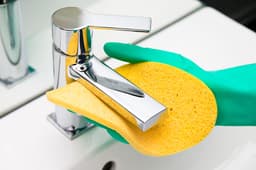
7 Helpful Solutions to Deep Clean Homes Without Harsh Chemicals Using essential oils for air freshening Cleaning ceiling fans with old pillowcases Rubbing lemon shower spray and rubbing alcohol for cleaning Using distilled white vinegar to clean glass surfaces Using salt to clean pantries Employing baking soda to clean upholstery Degrease and clean the oven using a homemade paste
Deep cleaning, a process of eliminating both visible dust and micro-sized dirt and bacterial particles, is a necessity for every home space once in a while. This form of cleaning ensures that every nook and corner of one’s home is spotlessly clean and well looked after. People generally associate deep cleaning with using strong, chemical-based solutions and cleansing agents. However, one can use some helpful DIY items to deep clean their house.
Using essential oils for air freshening
A major part of deep cleaning is deodorizing. A house that reeks is almost certainly not very clean. To deodorize, people generally tend to use room fresheners that contain a large number of chemical solutions for immediate results. While such room fresheners are effective, they are also not the most environmentally friendly option.
Instead, essential oils such as lavender, rose, hyssop, lemon, vetiver, cedarwood, grapefruit, and myrrh have as many deodorizing properties as any other room freshener. One can mix any of these essential oils with water and witch hazel to create a sprayable liquid. Here’s how to make a strong and environmentally-friendly mix- add a cup of water to a quarter cup of witch hazel, topped by about 5 to 7 drops of any essential oil. Next, one can add 5 to 7 drops of another essential oil for even better aromatic results. Generally, a mix of lemon and lavender is quite popular to achieve the best results.
Cleaning ceiling fans with old pillowcases
Of all the appliances in a home space, ceiling fans can be the ones that get easily dirty. It happens because they are almost always running and gathering dust and dirt on their blades. When one uses any cloth to clean it, the dust particles tend to fall and spread in the air around the room. It is not ideal as one cleans their property thoroughly. An unlikely cleaning device that suits this purpose is an old pillowcase.
Here’s how to use it- one can open the end of a pillowcase and place it at the end of the fan’s blade to be cleaned before pressing hard and pulling it off the fan. The dust collected in the blade gets removed and accumulates inside the pillowcase instead of falling or spreading across the room. Doing so regularly ensures that fans in a given house remain clean most of the time.
Rubbing lemon shower spray and rubbing alcohol for cleaning
Bleach is one of the most commonly used cleaners in deep cleaning sessions, but, like formula-based air fresheners, it also contains harsh chemicals. Bleach is also highly toxic and can pose serious health risks for cleaners, pets, or little kids in a particular house.
A reliable alternative is a combination of lemon and rubbing alcohol. This combination is a perfect, chemical-free solution made by mixing a teaspoon of dish soap, one and a half cups of water, a quarter cup of rubbing alcohol, and lemon juice from 2 whole lemons into a spray bottle using a funnel. Once the mix is created and filled into a spray can, one can use it to clean and disinfect surfaces effectively.
Not only is this mix as reliable and powerful as bleach, but it also ensures that no toxic elements are left behind after one is done with their deep cleaning session.
Using distilled white vinegar to clean glass surfaces
Glass surfaces are notoriously difficult to clean, especially when dirt residue and other sticky materials are making them filthy. A practical solution to address this issue is using distilled white vinegar. Distilled white vinegar has acidic elements that work effectively on alkaline substances. Therefore, it is the perfect solution to cleanse mold, dirt, and soap residue off glass surfaces. Also, this cleaning agent can clean residual matter like coffee stains, tea spots, and rust without any major effort. Unlike other powerful chemical-based cleaners, vinegar is not harsh in nature and can clean without leaving scars and rashes on the glass surface.
Using salt to clean pantries
The remarkable anti-bacterial properties of salt are well-known in the healthcare industry. Therefore, using salt in cleaners can achieve good results in one’s deep cleaning efforts without the issues of abrasive chemical-based cleaners.
Salt, mixed with other cleaning and deodorizing substances like lemons, can be used to clean baked-on grime on kitchen surfaces such as oven racks or stove grates. In fact, lemon wedges are the perfect option for salt-based solutions to clean most surfaces in one’s house.
Employing baking soda to clean upholstery
Baking soda is a seriously underrated cleaning agent that can be useful during a deep cleaning session around one’s house. Baking soda is particularly effective for cleaning carpets, sofa cushions, and other upholstery. So, before vacuum cleaning one’s carpet, one can sprinkle some baking soda on the surface. This non-toxic product eliminates dust from the carpet and keeps it odor-free and fresh. Therefore, if one intends to deep clean their upholstery, then baking soda is an ideal choice to consider.
Degrease and clean the oven using a homemade paste
To clean one’s oven efficiently, a specific homemade paste is good enough to get the job done and is entirely free of toxins and harsh chemical-based solutions. The mix consists of white vinegar, dish soap, baking soda, coarse salt, and a couple of lavender oil drops; in short, it is a mix of multiple DIY cleaning solutions that work together to cleanse, deodorize, and disinfect one’s oven.
A healthy home space ensures its occupants remain productive and happy all the time. Therefore, consider replacing chemical-based cleaning solutions with these DIY products to ensure your home remains healthy and clean always. Apart from these solutions, one can also use the Glad ForceFlex MaxStrength. This powerful cleaning tool effectively eliminates dust, dirt, bacteria, and food/bacterial odors in one’s house.

Foods to avoid and management options for arthritis
Living with arthritis can be a daily battle, as persistent joint pain and stiffness can hinder mobility and affect the overall quality of life. However, there is good news. With a comprehensive approach that combines evidence-based treatment methods, lifestyle modifications, and innovative therapies, individuals can find relief from arthritis symptoms and regain control over their lives. Combining these available treatment options with the right food can further help manage the condition.
On that note, here are a few foods to avoid to manage arthritis:
- Refined sugar sources like soft drinks
Limiting your sugar intake is of utmost importance. Therefore, consuming added sugar in foods, like bread, and beverages, like soft drinks, can be even more harmful to the system. It can contribute to elevated inflammatory symptoms in the body and further complicate your condition. Be aware of the extra sugar in the sweets you eat and the sauces and other condiments you top off your plate with. To keep the less-than-ideal arthritis symptoms under check, you must read the labels of the foods and beverages you bring home. Packaged foods are especially alarmingly rich in added sugar. - Frozen pizza
Per the CDC, frozen pizza is one of the most common sources of high sodium intake for Americans. It contributes to other complicating conditions like rheumatoid arthritis and gout. Frequently feasting on frozen pizza can enhance joint pain and other arthritis-associated symptoms. Things can worsen if the pizza you enjoy has a thick, refined carbohydrate base, pepperoni, and salty seasonings. This is just a trifecta of foods that aggravate your symptoms. - Dairy foods like cheese
Dairy has always been touted as a friend of the bones. As kids, we were all taught about the importance of milk and milk products as rich sources of calcium and vitamin D. But what about the saturated fat and lactose content in foods like cheese and cream? Both of these ingredients can lead to increased inflammation in the body. And since inflammation is the most common symptom of arthritis, it can further worsen your condition. However, different people respond differently to food. You should choose the foods to eat and avoid with the help of a doctor and a trained nutritionist. Some patients have also reported feeling better when they include yogurt in their meals. - Wheat sources like pasta
Not everyone has to deal with increased inflammation after eating gluten-rich food. However, it is still a common food ingredient that can contribute to increased inflammatory levels. It can be especially harmful to people with inflammatory conditions such as arthritis. A lot of people feel better after eliminating gluten from their meal plans. Eliminating gluten shows the best results for people with celiac disease, gluten intolerance, and gluten sensitivity. If you experience your pain or symptoms worsening after eating bread or wheat pasta, it might be a sign for you to cut it out. - Salty snacks like canned soups
Foods laden with salt promote inflammation and can be even more harmful for people with hypertension. This includes packaged snacks, pizzas, frozen foods, canned soups, and more. Including these savory snacks can lead to water retention in the body. Fluid retention can be linked to increased inflammation. In addition, none of these foods are nutrient-dense and can contribute to your worsening condition. It is advised to drink plenty of water to manage hypertension.
There are numerous treatment options that, when paired with good food, can help with arthritis management. It is crucial to understand that you must consult a doctor and include or eliminate foods on their advice.
Here are some other management methods that can help:
- Certain anti-inflammatory substances
Some anti-inflammatory substances doctors prescribe are crucial in managing arthritis symptoms, relieving pain, and reducing inflammation. There is also an emerging field of treatment methods that target specific immune system components to help control inflammation and slow down joint damage. - Physical therapy
Physical therapy is essential to arthritis treatment, focusing on exercises and techniques that improve joint function, reduce pain, and increase strength and flexibility. Various physical therapy approaches include range-of-motion exercises, strengthening exercises, and aquatic therapy. - Lifestyle adaptations
Making certain lifestyle modifications can significantly impact arthritis management. Lifestyle adaptations help maintain a healthy body mass to alleviate joint stress while reaping the benefits of regular exercise in improving joint mobility and overall well-being. - Assistive devices
Assistive devices can provide valuable support for individuals with arthritis, helping them manage daily tasks more easily and minimizing joint strain. There are a range of assistive devices like braces, splints, canes, and ergonomic tools designed to reduce joint stress and improve functionality. Working with healthcare professionals helps assess individual needs and ensures these devices’ proper fit and use. - Complementary approaches
In addition to conventional treatment methods, various complementary and alternative therapies can offer additional relief and support for individuals with arthritis. You can opt for options such as acupuncture, massage therapy, yoga, and tai chi, which can reduce pain, improve joint function, and enhance overall well-being. It is important to note that while these therapies may provide symptom relief, they should be used in conjunction with conventional treatments and under healthcare professionals’ guidance. - Joint protection strategies
Protecting the joints and minimizing further damage is crucial to arthritis management. Doctors can provide practical tips and techniques for joint protection, including proper body mechanics, ergonomic modifications in the home and workplace, and adaptive tools. By implementing these strategies, individuals can reduce joint stress and preserve joint function, enabling them to engage in daily activities more comfortably and efficiently. - Stress management and emotional support
Arthritis affects not only physical health but also mental and emotional well-being. Stress management techniques such as meditation, deep breathing exercises, and mindfulness practices are very important. Additionally, seeking emotional support through support groups, counseling, and connecting with others living with arthritis can assist in maintaining better emotional health. By addressing the emotional impact of arthritis, individuals can better cope with the challenges and maintain a positive outlook.