
Prostate Cancer – Warning Signs and Management
The second most common cancer in men is prostate cancer. It impacts the prostate gland, which secretes seminal fluid. Prostate cancer is usually localized and does not migrate. Early cancer detection results in less harm and more successful treatment of cancer. Although there are treatment alternatives, there are active clinical trials for more advanced treatments for prostate cancer. Read on to learn more about the warning signs and foods to eat and avoid for prostate cancer.

5 early warning signs of prostate cancer
Frequent urge to urinate
The prostate tumor exerts pressure on the urethra and the bladder, leading to a person getting an urge to urinate, especially at night.
Weak flow of urine
Weak urine flow need not always be a sign of prostate cancer as one experiences trouble urinating as one ages. However, if one experiences a weak flow of urine or has no control over starting and stopping it, it is advisable to consult a doctor.
Numbness or pain
As cancer advances, one might experience unexplainable pain in the hips, chest, or lower back. Some men may also experience numbness in the legs.
Burning or painful urination
Burning or experiencing pain while urinating is called dysuria. It is a common symptom of UTIs. However, it may also be a symptom of prostate cancer. It is better to get it checked.
Blood in the urine
Hematuria is a symptom of prostate cancer but can also be a symptom of health issues like UTIs. It always helps to get it checked.
Meal plan for prostate cancer
A well-balanced meal plan with ample fruits and vegetables, complex carbohydrates from whole grains, and healthy proteins can prevent prostate cancer and improve one’s overall health. Additionally, even when diagnosed with prostate cancer, paying attention to what is on one’s plate can go a long way in aiding your treatment.
5 foods to manage prostate cancer
Broccoli
Broccoli contains complex compounds that can protect a person from cancer. This cruciferous vegetable boasts phytochemicals like sulforaphane that can target cancer cells while leaving out normal healthy prostate cells. Other vegetables like cauliflower, kale, cabbage, and Brussels sprouts also contain phytochemicals and can protect the prostate.
Green tea
There must be some health benefits when a billion people have been drinking this for years. Green tea has several compounds like xanthine derivatives, antioxidants, and epicatechin that improve overall health. Researchers now believe that green tea can potentially minimize the risk of prostate cancer by targeting tumor cells and hormones that signal their growth.
Tomatoes
Tomatoes contain a powerful antioxidant known as lycopene, which can reduce the risk of developing prostate cancer. Several studies indicate that lycopene can potentially decrease cell damage and slow down the production of cancer cells. Additionally, research shows that people who eat more tomatoes are less likely to develop prostate cancer. Since lycopene is tightly bound to the cell wall in raw tomatoes, it is best to eat them cooked or puréed to enjoy its benefits.
Legumes
Legumes are food items that include beans, lentils, and peanuts. These plants contain an active compound known as a phytoestrogen. This compound can reduce the risk of prostate cancer by as much as 20%. The antioxidant properties found in legumes affect hormone regulation and cell death, which can reduce the risk of prostate cancer.
Pomegranates
Pomegranates are replete with antioxidants and can help reduce oxidative stress, thus inhibiting the growth of prostate cancer cells. Pomegranate juice impedes the production of prostate cancer cells and therefore is beneficial for preventing this disease. Including pomegranate seeds in salads or adding pomegranate juice to sparkling water to improve prostate health is healthy.
5 foods to avoid during prostate cancer treatment
Dairy products
Consuming large amounts of dairy products tends to increase the risk of prostate cancer. Whole milk seems to accelerate the progression of prostate cancer. Skimmed milk also has a similar effect, especially in the early stages of the disease. It is best to reduce the intake of full-fat cheese, yogurt, butter, and cream. Instead, look for non-dairy options like flax, rice, almond, soy, cashew, or coconut milk.
Red meat
Regular meat consumption can increase one’s risk of prostate cancer. Heterocyclic amines are a type of carcinogen present in large amounts in red meat. It is best to avoid beef, pork, and other red meats to reduce the risk of prostate cancer. Alternatively, one could turn to lean poultry, legumes, nuts, and canned fish.
Sugary foods
Sugary foods do not provide any nutritional value to one’s body. They are high in sugar and glycemic carbohydrates. Sugar-laden foods like cakes, cookies, pies, and sugary drinks can hamper a person’s immunity and lead to other health conditions. Too many sugary foods lead to a shoot in blood sugar levels, impacting the prostate gland.
Saturated fats
Saturated fats are present in processed foods, baked goods, dairy products, meats, and salad dressings. Saturated fats have a direct link to increased risk of several conditions, including heart conditions, as well as several cancers, including prostate cancer. Reducing the intake of saturated fats is associated with a healthy prostate and overall improved health.
Sodium
High salt intake is linked to increased urinary tract symptoms associated with prostate cancer. Sodium tends to affect the kidneys and the prostate, so one should avoid excess salt consumption. It is best to follow a low-sodium meal plan and reduce intake of canned foods, cured meats, and frozen bread-based dinners.
Maintaining a healthy lifestyle and eating the right kind of foods is important during the prostate cancer treatment period. Maintaining healthy eating habits will help prostate cancer patients feel better by aiding in relieving the symptoms. Making healthy meal changes can aid a person’s recovery from prostate cancer.
You May Also Like
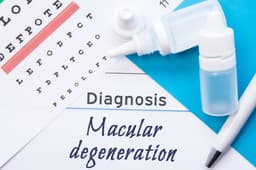
Key things to know about macular degeneration
Macular degeneration is an eye disorder that affects the macula, a tiny part of the retina that provides sharp central vision. The most common kind of this disease is age-related macular degeneration (AMD), which affects many people in our country over 60 years. While there is no cure for macular degeneration, several treatments and lifestyle changes help manage the symptoms and improve your vision so that it does not interfere with everyday life.
What are the types of macular degeneration?
There are two common types of the condition:
Wet or exudative macular degeneration
This is the more common type. It occurs when the tiny blood vessels in front of your retina get damaged and leak fluid into your eye, causing swelling, redness, and dampness. The condition can affect your central vision and cause blurry patches in the center. Central vision is the area you see directly in front of you.
Dry or atrophic macular degeneration
Also known as senile macular degeneration, this condition occurs when the retina does not receive sufficient oxygen due to damage from aging; it results in a breakdown of the central part of the retina (the photoreceptors).
What causes this eye disorder?
The risk factors include genetics and lifestyle ailments, such as high blood pressure, high cholesterol levels, and diabetes. But these do not affect vision overnight; it takes years for the effects to show up. Here is a quick look at the many risk factors of macular degeneration:
Age
You are at risk of macular degeneration as you get older, especially after age 55. Hence, older adults are advised to go for regular screenings.
Genetics
You are at a higher risk if one or both parents have this condition.
Past eye injury
Head or eye trauma can lead to loss of central vision in the future.
Specific health conditions
Diabetes, high blood pressure, or heart disease can increase the chances of this disorder. So can eye conditions like myopia (nearsightedness), cataracts, and glaucoma.
Certain treatments
Using certain powerful treatment options for a prolonged, including antihistamines, can affect vision. Therefore, one must always consult a doctor before using any treatment.
The good news is there are ways we can prevent these diseases from becoming dangerous if the signs are recognized in time.
What are the symptoms?
Macular degeneration may not have any noticeable signs initially. But as the condition begins to deteriorate over time, people gradually lose their ability to see clearly. Some lose certain aspects of vision, such as their ability to see shapes, colors, and lines and gauge movement and distance. You may also have blurred, double, overlapping, or blurry central vision. If you have blurred vision, the disorder has likely progressed to a more advanced stage. Some experience flashes of light (called scintillations), wavy lines in the center of the field of vision, and tunnel-like patterns during an eye exam when looking at an object up close. Left untreated, these issues can cause permanent loss of central vision or even blindness.
How is the disorder treated?
After a diagnosis, several treatment options help manage macular degeneration. The most common is laser therapy, which involves delivering light to the eye through an electrical device. The treatment sends energy pulses into the cornea (the clear front part of your eyeball). Laser treatments are effective at slowing or halting the progression of vision loss caused by macular degeneration. Surgery is the next step in treating this condition, especially if you have advanced macular degeneration; the doctor conducts a procedure to replace the natural lens.
In some cases, doctors recommend administering specific treatments directly to affected areas of the eye to reduce swelling and relieve pain caused by scarring or inflammation around them. These treatments are generally used once every week or two until they are no longer needed!
How to prevent macular degeneration?
Macular degeneration can be dealt with and prevented well before it arrives by living a healthy and holistic life. A healthy lifestyle can help lower the risk to a certain extent. Here are some useful tips:
Eat healthy foods
Healthy meals will help your body fight macular degeneration and other age-related diseases. Choose foods high in antioxidants, such as blueberries, which contain flavonoids.
Wear sunglasses
Wearing sunglasses outdoors during sunny seasons prevents harmful UV rays from causing permanent damage to your eyes over time. But ensure to buy the right lenses for maximum benefit.
Exercise regularly
Regular exercise can improve blood circulation, reducing the risk of complications from macular degeneration. It can also promote overall health and well-being.
Follow a healthy sleep schedule
Get enough sleep at night, but not too much (more than seven to eight hours). Excessive daytime napping might cause vision loss over time, making it harder for your eyes to focus on nearby objects during the day.
Control blood pressure
You can do this by cutting back on salt. Excess salt causes our stress levels to rise, leading to hypertension, which eventually leads to type 2 diabetes down the road.
Early diagnosis is crucial in preventing further vision loss. Consult an eye doctor as early as possible if you notice any degenerative changes in your eyesight, such as blurred or double vision. Early diagnosis is crucial because it can slow down or prevent further vision loss. Doctors may recommend an eye exam if you notice the signs early on. If you are over 50 years of age and have experienced blurred vision for the past few months, the expert might suggest a thorough diagnostic test called optical coherence tomography (OCT). Once the problem is identified, the doctor will recommend a suitable treatment plan. There are plenty of innovations to reduce the risks of macular degeneration and prevent it from worsening.

Dos and Don’ts of Buying a Truck
Buying a truck is a massive investment. On top of that, people tend to use trucks for several years, if not decades, due to the tough, enduring nature of these vehicles. Therefore, it is imperative to get everything right when purchasing a truck. There is a list of factors to ensure and another list of things to avoid while purchasing a massive people and load carrier. Here are the main dos and don’ts of buying trucks:
Dos
Here are the things one needs to ensure before putting down their hard-earned money on a truck:
- Check if the dealer provides an extended warranty
Certain dealerships offer an extended warranty option for buyers. This is a useful alternative as it provides financial cover for repairs beyond the initially offered warranty period. Buyers must research which dealers offer this avenue on their trucks, as it tends to be rare. Also, one downside of an extended warranty is that buying and accommodating a purchase deal can be expensive.
However, it is an option worth considering just for the ease of ownership and use it brings to a truck purchase deal. Truck owners would not have to worry about paying exorbitant repair fees for many years if they included an extended warranty when buying the vehicle of their dreams.
-
Check towing and hauling capacity
Towing and hauling capacity are the most critical aspects of purchasing a truck for many buyers. Fleet truck service providers mainly purchase trucks for commercial purposes. Trucks need to deliver massive payloads across large distances. So, in short, the larger a truck’s towing and hauling capacity, the more utility it will have for the individuals or companies purchasing it. -
Evaluate bed and cabin size
Apart from commercial use, trucks may also be used to transport many people or family members. This means that cabin size and bed proportions are just as critical as towing capacity for buyers. If a buyer has a large family or a large number of people to seat and transport, they could purchase a large truck. Large trucks are expensive to own and run and consume large amounts of fuel. For all other purposes, mid-sized trucks can be more than adequate.
In the case of pickup trucks, cabs are available in regular size (with two doors and no back seat), extended size (two or four doors with a small back seat), and crew (four doors with a large back seat). Pickup trucks also have multiple bed sizes, including short (around 5 feet), regular (around 6.5 feet), and long (around 8 feet). The bigger the cabin and bed sizes, the pricier a truck will be. Buyers need to evaluate their needs and usage requirements before purchasing a truck.
-
Be mindful of your budget and credit score
This is a particularly overlooked aspect in the case of several truck buyers. Most buyers intend to purchase trucks on installment payments. However, to make the payment schedule smooth, one must know exactly how much they can afford every month. Additionally, buyers must be mindful of how much they can pay upfront for the vehicle. If an individual looking to purchase a truck goes to a dealership without considering or being aware of these two factors, they may land in financial trouble.Several vehicle loans or buy-now-pay-later installment options activate when a buyer’s credit score is high. Therefore, someone with a questionable credit history may not only find it difficult to get an attractive financing option while buying a truck, but they may also end up overpaying for the same. This is why picking a budget and relentlessly sticking to it is necessary, as it helps buyers avoid being out of pocket after a truck purchase.
- Take a test drive
As is the case with buying any vehicle, taking a test drive is an essential step when purchasing trucks too. A test drive lets buyers know the pros and cons of every vehicle they drive, how spacious and comfortable they are, how accessible the cabin and various controls are, how well the engine works in various performance situations and other key attributes.Test drives expose the very best and worst of vehicles for prospective buyers. Therefore, most consultants and purchase advisors advise buyers to test all the vehicles they have shortlisted to buy before drawing a comparison between their pros and cons after a test drive.
Don’ts
Here are the things one should steer clear of while purchasing a truck from a dealership, either online or offline:
- Visit a dealer without a financing option
Many dealership executives tend to make buyers believe that their financing options are the best option for them. However, buyers should know that these financing options are designed to make the most money for the dealerships’ finance departments and little else.Instead, buyers must consult with their banks or other financial institutions to find better financing options to smooth the purchase process. Visiting a dealership without a financial plan is not advisable, whether for truck purchases or truck equipment financing.
-
Shop at just one dealer
Different dealerships provide purchase offers for buyers, whether that is warranty-based extensions, other draws, or attractive discounts on their vehicles. One needs to visit multiple dealers and check out truck models from multiple manufacturers to get a wide array of options. By not doing so, one risks missing out on specific irresistible offers and discounts. -
Prioritize only price
Price is a major buying factor, but solely prioritizing it can result in buyers purchasing semi-competent trucks with quality and performance issues in the long run. Now, “pricier” does not automatically translate to “better” regarding trucks. Nevertheless, one must take a holistic approach before putting their hard-earned money on a truck. Other than these, some of the biggest don’ts are overlooking promotional offers and rebates and taking a new truck home until the paperwork is done.

5 natural ways to manage anxiety
Anxiety is an uncomfortable feeling people experience when they are nervous about meeting someone or doing something, and at times, without apparent reason. However, anxiety disorder is a condition that affects one physically and mentally. The disorder’s visible symptoms are increased heart rate, sweating, shortness of breath, trembling, and muscle tension. Excessive worrying, isolation, below-par performance, and inability to relax are other consequences. However, the condition can be managed through natural remedies and lifestyle changes.
Dealing with anxiety
One can follow many simple strategies to reduce anxiety and its impact. First, one must understand the triggers and the symptoms or changes when dealing with the disorder. One should also learn to identify unwanted thoughts of failure and danger. One should communicate openly with their doctor or a mental health professional, who may recommend prescription options and behavioral and cognitive therapies to deal with the disorder. They continue the treatment until they see improvement in physical symptoms and one’s ability to overcome intrusive thoughts and associated behavior. Doctors may also recommend a few natural methods to help manage anxiety and its consequences, minimizing the need for prescription options. Prescriptions have long-term side effects like dizziness, fatigue, dry mouth, headaches, nausea, erectile dysfunction, and other problems.
Natural methods of management
Natural approaches require significant commitment and dedication from the patient. One can start by practicing these methods for a few minutes and incrementally increase the duration and intensity of these remedies. Some of the natural methods to manage anxiety are:
Relaxation
Learning to relax is a key step in managing the disorder. As one relaxes, their mind and body can become calmer, their muscles relax, and they stop shaking and trembling. People with the disorder can try various relaxation activities and techniques and choose the ones they enjoy the most. This could include the following options:
- Resuming a hobby that one used to enjoy, like reading, gardening, or painting
- Listening to music
- Meeting friends
- Joining a club or group that likes planning activities one enjoys
- Volunteering
- Walking
- Hiking
Such activities help reduce stress, keep one active, and distract them from imaginary worries and, most importantly, unhelpful thoughts.
Breathing exercises
Mental health professionals place a lot of importance on breathing techniques to manage the disorder. Controlled breathing can help one overcome stress and dizziness, a symptom of anxiety. One should learn the 5-5-5 breathing method, a technique for controlled breathing. Here are the steps:
- One should sit in a comfortable position on a mat or a chair
- The next step is closing the eyes while relaxing the shoulders and the body
- Breathing in for 5 seconds
- Holding one’s breath for 5 seconds
- Breathing out for 5 seconds
- Continuing the exercise for 10 to 15 minutes
- Paying attention to one’s breath and observing thoughts slowing down
This technique can help one keep unwanted thoughts at bay. One can also start with slightly faster deep breathing and work their way up to the 5-5-5 technique. Many other meditation and relaxation methods, like visualization, mindfulness, and transcendental meditation, can help one control their thoughts. One should learn these techniques from a certified trainer and opt for the one they find most suitable.
Lifestyle changes
Managing this mental health disorder requires continuous effort and discipline. Being physically active can offer multiple benefits for managing anxiety and overall health. Some of the key lifestyle changes one must introduce to manage the disorder are:
- Getting adequate rest can help one avoid fatigue and exhaustion, which can trigger and worsen the symptoms. Certain substances can interfere with sleep, so they should be avoided. So, developing healthy routines and sticking to a strict sleep schedule is a great first step in managing mental health issues like anxiety.
- One should reduce their dependence on stimulants like caffeine, as too much of it can change how the brain cells work and worsen the symptoms of the disorder.
Distraction
When unwanted thoughts begin to trigger fear and anxiety, one can learn some tricks that can help them divert their attention. For instance, when one recognizes a thought like “something bad is going to happen”, they can start counting in multiples of 5 or 10 and focus on just the numbers. Instead of indulging in unhelpful thoughts, one can find distractions by looking at their surroundings. If one is preparing to meet someone and are experiencing anxious thoughts in anticipation, they should focus on thoughts unrelated to the meeting. They can think about other tasks or conversations that don’t make them anxious. The more one finds ways to distract their unhelpful and worry-inducing thoughts, the more they can reduce stress.
Reducing avoidance
The triggers of anxiety can be certain events, people, and personal or professional situations. So, a person with the disorder might want to avoid these triggers. If they have been part of a train accident, the sounds of a train or the prospect of traveling on a train can make them anxious. If they are not comfortable speaking in front of a gathering, they may not participate in presentations or meetings even if they are skilled and have a lot to share. They may avoid presenting their ideas for fear of negative remarks or reviews about their work. Here, one should list things and activities that trigger their anxiety and rank them according to difficulty. Instead of avoidance, one should consider experiencing each activity, starting with the one that seems the least challenging. Once one overcomes the anxiety for the least difficult task, they should move to the next activity. This should continue until they reach the top of the list and engage in the activity that gives them the most stress. If delivering presentations is the least worry-inducing activity on the list, one can start by presenting to a group of two or three. They should keep repeating the activity until they are no longer as nervous. Then, they can gradually increase the duration of the presentations and audience members until they are comfortable speaking for 30 minutes in front of a large group.

9 Natural Remedies for Dry Eyes
A dry eye is a condition wherein the tear glands in the eyes do not produce enough tears to keep the eyes wet and comfortable. It is one of the most common eye conditions and can be extremely uncomfortable, with symptoms like stinging, burning, and red eyes. This article lists 9 home remedies to help manage dry eyes and keep them moist and wet. However, it is always best to consult a doctor before trying these home remedies.
Washing lashes
Inflammation is another symptom that needs to be managed for dry eyes, and another trick to know is to wash those crusty eyelashes. Keeping the surrounding skin and hair near the eyes clean ensures the inflammation does not worsen. One can use mild and gentle soap to wash the eyes lids and even the base of the eyelashes.
Eye massage
Gently massaging the areas around the eyes can provide numerous benefits. This simple act can help relieve tension, increase blood circulation, and promote muscle relaxation. Even though not touching the eye, stimulating the surrounding areas can help improve eye sensation and boost tear production. It’s important to ensure that the eye massage is always gentle and not painful. Unless one has experience with massage or acupuncture, it’s best to seek advice from a professional before trying it out.
Using warm compresses
The eyes need a mix of three things to stay moist, and these include water, oil, and mucus. These are produced by the oil glands along the edge of the eyelids. However, there are times when these oil glands can get clogged due to flaky eyelids and inflammation in the eye due to dry eyes, so warm compresses are a remedy that helps with this. Here’s what one can do – wet a clean washcloth with some warm water, wring out the excess water, and then place this warm cloth on the eyelids. Gently press on the eyelids while it is placed there for a minute or so. This can help unclog the oil glands. The heat from the warm cloth is enough to loosen up the clogged oils and provide instant relief. But one may need to continue this remedy on a daily basis to help the eyes feel comfortable.
Eating fish rich in omega-3
According to research, eating fish high in omega-3 fatty acids can help keep the skin hydrated. Not only that, but it also helps the oil-making glands in the body with healthy fats to keep functioning properly. This is essential for dry eyes as the oil glands often get clogged or do not produce enough moisture. Fish like salmon, tuna, trout, sardines, and mackerel all have good omega-3 fatty acids that help keep the oil glands healthy.
Apart from fish, other food sources rich in omega-3s include canola oil, soybean oil, walnuts, and flaxseeds.
Drinking enough water
Staying hydrated is another tip to help one deal with dry eye symptoms. Drinking enough water throughout the day, not just when thirsty, ensures that one’s whole body is hydrated, including the eyes, and the irritation may be a little less. Also, focus on including hydrating foods in one’s meals, like cucumbers, watermelons, etc. Some days one can also hydrate by incorporating a lot of soups in one’s meals and juices made out of healthy and hydrating vegetables.
Using humidifier
Keeping a humidifier in the room or all the rooms in the house is an easy trick to ensure the air has some moisture and does not irritate dry eyes. If one does not have a humidifier, keeping a bucket or a pan of water near the radiator or the heater also has the same effect. One can also use an air cleaner as it can help clean the dust particles inside the house, and there will be fewer irritants in the environment to flare up the dry eyes symptoms.
Blinking often
Blinking is a reflex that comes naturally to most people, but for those who struggle with dry eyes, blinking more often can help. People who use screens regularly for their work should also think about doing daily eye exercises to keep their eyes healthy. To promote good eye health, individuals can follow the 20/20 rule, which suggests taking a break from the screen every 20 minutes and resting their eyes by closing them for 20 seconds. This may seem like a small step, but it adds a lot of value and relaxation when practiced regularly. It ensures that the eyes are not overwhelmed by looking at the screen constantly, and we often don’t take breaks for hours. Also, positioning the screen slightly below eye level can prevent the eyes from opening too wide, which can cause dryness and discomfort due to excessive moisture evaporation.
Using wraparound sunglasses
When leaving the house, it’s common to wear sunglasses. However, investing in a pair of wraparound sunglasses can be even more beneficial. These sunglasses not only protect one’s eyes from bright light but also shield them from harmful air pollutants that can cause dryness. Additionally, they can be used indoors while using appliances like hair dryers or sitting in front of air conditioners or fans, which can also be irritating to the eyes. Overall, wraparound sunglasses are a worthwhile investment for anyone who wants to protect their eyes and maintain their comfort in any environment.
Sleeping well
Getting enough sleep is crucial for preventing dry eye symptoms from getting worse. Since dry eye is an immune disorder, sleep plays a vital role in maintaining overall health. It’s important to be well-rested to ensure optimal bodily function.
There are also many eye drop prescriptions available that can be bought easily to help with dry eyes. These drops are available for purchase, but it’s important to consult a doctor before using them. They can provide information on the differences between various brands and recommend which one would work best for an individual. Additionally, some ointments can ease dry eye irritation and inflammation, but it’s important to get a health professional’s perspective to choose the right product.

5 Conditions That Can Cause Osteoporosis
An adult has 206 bones compared to an infant’s 306; as one grows, the bone fuses, and the bone tissues constantly break down and rebuild. The length of bones stops growing between the ages of 16 and 18, but bone density continues growing until age 35. Individuals begin to lose bone tissue between the ages of 35 and 40, but this can be hastened by conditions like osteoporosis, which leads to drastic bone loss.
What is osteoporosis?
Bones have a thick outer shell and an inner mesh resembling a honeycomb. The mesh contains proteins and minerals like collagen and calcium. Our body needs minerals like phosphorus and magnesium to build new bones regularly. As we age, if our body loses more bones than it can produce, it cumulatively results in bone loss. This condition is called osteoporosis, which develops and progresses slowly over many years.
The bone’s outer shell and honeycomb-like mesh gradually become thinner when osteoporosis happens. The bone becomes weak, putting the person at a high risk of bone pain and fractures. Osteoporosis does not have any specific symptoms. Most men and women may not know they have had osteoporosis until the bone pain and stiffness become too intense or if they suffer a sudden fracture. Fractures of the hip, spine, and wrist are the most common impact of osteoporosis. Weak bones can break at the slightest movement and cause fractures when the person falls. In severe cases of osteoporosis, even a sneeze or a cough can cause a fracture.
Five diseases that cause osteoporosis
Whatever the cause, bone loss can only be delayed but not reversed. Genetic, autoimmune, hormonal, liver and allergic, psychiatric, and neurological disorders can cause osteoporosis. Five such diseases are:
Cystic fibrosis
Cystic fibrosis is an inherited and life-threatening disease that causes thick sticky mucus in the lungs, pancreas, and internal organs. It leads to low bone minerals, causing the holes in the bones to become big, making them weak and brittle. The condition is a leading cause of bone loss and fractures. Doctors have yet to identify a cure for cystic fibrosis and use a combination of prescription treatments, anti-inflammatory treatments, antibiotics, and gene therapy to manage it.
Anorexia nervosa
Anorexia nervosa is an eating disorder where one restricts their food intake, fearing they may become overweight. They may be very thin and underweight, but they are still anxious and irrational fear about putting on weight. They tend to avoid meals and eat very little. The lack of proper nutrition can affect hormone production, irregular menstruation, low estrogen production, and excessive production of cortisol that triggers bone loss. Each of these factors impacts affects bone growth. Both men and women can develop anorexia nervosa and osteoporosis due to malnutrition and low bone density.
Doctors treat anorexia nervosa with a combination of healthy foods, prescription treatment, nutritional counseling, group therapy, and, if necessary, hospitalization.
Celiac disease
Celiac disease affects the intestines and is an autoimmune condition where our body cannot absorb or tolerate gluten. When the immune system senses gluten, it starts attacking the small intestine, damaging the lining. The small intestine then becomes unable to absorb nutrients. Without adequate nutrition, a person with Celiac disease may become malnourished and have consequences like anemia, weight loss, delayed growth, or lack of adequate growth, resulting in a small frame. Osteoporosis and consequent bone loss and loss of mass bone are common complications of Celiac disease. A gluten-free food regime is the best treatment for this condition.
Rheumatoid arthritis
Rheumatoid arthritis is a chronic condition. It is an autoimmune disease that damages the connective tissue in the joints. As the disease progresses, it results in joint stiffness and the weakening of bone tissue around the affected joints. Osteoporosis is a co-morbid condition of rheumatoid arthritis. The treatments for RA can trigger bone loss, pain and joint stiffness, making mobility difficult, and the resultant inactivity can trigger fractures around the joints. There is no cure yet for RA, and doctors use a combination of prescription treatments, nutrition, physical therapy and frequent screening to arrest its progression.
Chronic renal disease
If a person has chronic renal disease, their kidneys cannot flush extra minerals out of their system, resulting in the build-up of phosphorous and calcium in their blood. Excess phosphorous causes the calcium in the bones to mix with blood. The kidneys are also unable to convert food and sunlight into vitamin D, causing its deficiency. Cumulatively the bone begins to become weaker, leading to osteoporosis.
Doctors treat chronic renal disease with a combination of prescription treatments and low-phosphorous and low-calcium meal plans. Doctors may also prescribe dialysis for people with advanced renal disease.
Other risk factors for osteoporosis
Aside from diseases, there are several reasons why one can develop osteoporosis. Though aging is the primary cause of the condition, not every person will be affected by it. Some natural, lifestyle and other health factors significantly increase the chances of osteoporosis, like:
Age
Men and women above 30 are at a higher risk.
Gender
Women are at a higher risk of developing osteoporosis than men.
Menopause
Estrogen promotes the growth of osteoblasts, cells that produce bone. After menopause, the production of estrogen and osteoblasts reduce, resulting in gradual bone loss. Menopausal women are at a higher risk for developing osteoporosis.
Body mass and build
A person with a thin frame and low body weight is at higher risk than people with larger frames.
Family history
If any of your older family members have a history of hunched shoulders or frequent spine or hip fractures, you, too, are at a higher risk of the condition.
Prescription treatment
Long-term use of certain prescription treatments like steroids, immunosuppressants, and anticoagulants can lead to osteoporosis. Treatments for managing epilepsy and thyroid problems can also increase the risk of bone loss.
Nutritional deficiencies
Malnutrition and imbalances in calcium, magnesium, phosphorous, and vitamin D levels can also increase the risk of bone loss.
Lifestyle
Long-term use of specific addictive products, lack of physical activity, and sedentary lifestyle increase the risk of bone loss and fractures.
Underlying diseases and disorders
As seen above, diseases like chronic liver disease, metabolic disorders, certain cancers, rheumatologic diseases, and diabetes can also lead to osteoporosis.