
6 Ways to Manage and Prevent Psoriasis
Psoriasis is a chronic, painful, and inflammatory disease that affects the skin and nails, leading to disfigurement and disability. It can happen to anyone, but people aged 50 and above are at higher risk than others. Genes and a weak immune system are considered to be the significant causes of psoriasis. Other triggers include sunburn, infections, trauma, underlying diseases, treatment side effects, and stress. This article will discuss ways to manage psoriasis effectively.

Psoriasis and its impact on the body
Psoriasis is caused by a dysfunction in the immune system resulting in inflammation. The inflammation causes lesions, bumps, raised plaques, and scales on the skin. When our immune system works well, our skin cells grow and shed once in fifteen days. When affected by psoriasis, the skin cells pile up instead of shedding, and the accumulated plaque build-up can burn, sting, or cause an itch.
Psoriasis may affect both the internal and external organs. Externally it usually affects the elbows, knees, and scalp. Internally it can affect any tissues and our organs. In some, it may affect the joints causing psoriatic arthritis. People with psoriasis are also at risk for cardiovascular diseases, hyperpigmentation, Chron’s disease, psychological disorders, and uveitis. Since there is no cure, treatment aims to control the symptoms and prevent remission.
Six ways to medically manage psoriasis
Physical examination
Once you consult a doctor, they will start with a thorough physical examination to understand the plaque’s appearance, location, and severity. They will also talk to you about recent infections, family history, and any other underlying health conditions that may be causing it. For example, if you are consulting your primary physician, they may refer you to a dermatologist at this stage.
Topical emollients and creams
Doctors may prescribe emollients and creams that can reduce inflammation, reduce the production of skin cells, and improve the symptoms of itch and pain.
Prescription treatments
Along with creams, doctors may also prescribe a combination of oral systemic treatments that target the molecules inside our immune cells and correct the overactive immune response. Doctors also prescribe Disease-Modifying Antirheumatic Drugs (DMARDS) for those with severe symptoms.
Injections
Doctors may prescribe creams and oral treatments if the symptoms are very severe or if other treatment methods are ineffective in controlling the symptoms.
Phototherapy
Phototherapy has been used for more than a century to treat psoriasis. Doctors expose the affected area to Ultraviolet rays to reduce inflammation and slow skin cell production. You may require multiple sessions of phototherapy to see visible changes.
Six steps to prevent psoriasis flare-ups
Having one or two parents with psoriasis and using tobacco are two major risk factors for psoriasis. Following a good skincare routine and regular screening can help you prevent frequent psoriasis flare-ups.
One can follow these six steps to prevent psoriasis flare-ups:
Stay hydrated
Psoriasis symptoms can become severe if you have dry skin. Drink about 6-8 glasses of water and fluids to prevent dehydration. Use thick creams that can keep the skin moisturized for some time.
Follow a healthy skincare routine
Good skincare is the foundation of preventing or arresting psoriasis flare-ups. Use organic and hypoallergenic skin care products. While a few minutes in the sun can benefit you, do not spend long hours outside. If you must be outdoors, ensure your arms and legs are covered. Always carry a hat, umbrella, scarf, and sunscreen in your purse.
Avoid the following in your meals
Food is one of the primary triggers for a psoriasis flare-up. Maintaining a food journal can help you identify what triggers it for you. Avoid the following:
- Dairy products
- Eggplant
- Gluten
- Highly processed food with chemical additives and flavor enhancers
- Pork
- Red meat
- Rich, sugary desserts
- Shellfish
- Snacks and bread made with refined flour
- Tomatoes
- White potatoes
Avoid exposure to psoriasis triggers
Besides food, many other natural, chemical, and environmental triggers can cause a flare-up. Following are some of the common psoriasis triggers:
- Bruises
- Specific prescription treatments used for treating hypertension, malaria, and hepatitis C
- Dry weather
- Humid weather
- Insect and bug bite
- Low estrogen
- Skin injury
- Stress
- Too much exposure to the sun
- Upper respiratory infections
Learn to manage stress
Stress is one of the significant triggers of psoriasis. A flare-up and the consequent rashes and itch can add to the stress. Light exercise, yoga, Tai Chi, and meditation can help you calm yourself. You can also spend time on your hobbies and with family and friends. You can also ask your doctor to refer a psychotherapist if you cannot manage stress yourself.
Avoid self-prescription
Certain oral prescription treatments have been proven as psoriasis triggers. Talk to a doctor before getting any treatment and talk to them about your symptoms so that they can avoid prescribing anything that could be a potential trigger. Do not take any oral treatment without a doctor’s advice.
Six home remedies for psoriasis
Since psoriasis is a chronic condition without a cure, you may have to take treatment for a long time. Self-care and home remedies can help the dependence on prescription treatments. (Do not discontinue any treatment without the doctor’s advice). Here are some of the home remedies for psoriasis that one can follow:
Cold compress
Apply a cold compress to the affected areas. It can help in reducing itches and prevent rashes from spreading.
Warm bath
Soak in a lukewarm bath for 15 minutes to loosen the scales. Add sea salt, oatmeal, and light coal tar bath gel to the warm water to help cool your skin and prevent the itch from spreading.
Essential oils
Essential oils have always been effective in treating skin conditions. Apply them directly or mix them with carrier oil as per instructions. Essential oils that are beneficial for psoriasis include:
- Castor oil
- Coconut oil
- Geranium oil
- Lavender oil
- Tea tree oil
Aloe vera
Aloe vera gel is a highly recommended herb for dry skin conditions. Buy organic and certified pure aloe vera gel and apply it twice a day.
Bitter melon
Bitter melon is a bitter and edible fruit, and its enzymes inhibit psoriasis flare-ups. Talk to a doctor or nutritionist about the proper dosage for you. You should avoid it if you have low blood sugar.
Use a humidifier
A humidifier keeps the air moist at night and can keep the skin moist while you sleep. A 24-hour moisturizing care can help prevent a flare-up.
You May Also Like
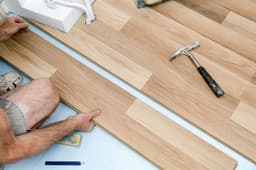
Home Improvement – Tips and Common Mistakes
After a season of cold, wet winters, you can look forward to spring and, along with it, a much-needed spring cleaning. Would you like to simplify the process with easy hacks to make your home look cleaner? Here is what you can do and avoid to make your home look clean, shiny, and brand new. From the attic to the yard, a few quick changes and fixes can make all the difference.
Home improvement tips
Choose maintenance over repairs
When you own a home, you have a lot more responsibility to keep its systems up and running. In most cases, maintenance costs are much lower than repair expenses. Create and manage a maintenance schedule for cleaning, roofing, landscaping, HVAC, and plumbing. Instead of reaching out to a foundation repair expert when the wall cracks become a structural foundation issue, keep your home in great condition all the time.
Try DIY projects
DIY home improvement projects can transform your living space. If you think tiny home improvement tasks require you to hire one expert after another, you might want to reconsider. You can find several online resources on converting one type of furniture into another (a dresser into a kitchen counter, for instance) or updating the look of cabinets or fans. Such DIYs help you reduce the cost of home improvements, and you can also make a day of it and involve your family to transform the space.
Upgrade to energy-efficient home systems
If you are looking to improve your home, start by creating a space that is energy- and cost-efficient. Energy-saving appliances may cost a little extra initially, but they will reduce electricity costs in the long run. Many brands offer a wide range of energy-saving devices that utilize energy and use renewable energy sources to power home systems, like lighting and kitchen appliances. Such devices are also easier to maintain in the long run, preventing the need for repairs in the future.
Fix gutters
Rain gutters are crucial for keeping the foundation free from excess water that can weaken the structure. Dirty, clogged gutters make it more likely for water to seep into the foundation and affect the landscaping around the house, making it crucial then to contact foundation repair experts like AFS or Olshan. So, you should invest in a leaf filter or gutter guard to keep gutters clog-free. GutterBrush offers guards that filter debris and twigs to let the water flow with ease.
Focus on landscaping
If you have a garden and a plethora of trees, shrubs, and herbs, you should try to keep the space healthy and clean. When the roots of trees are too close to the foundation, they can cause issues in the home’s footing. Keep large plants away from boundaries and schedule regular landscaping to ensure your garden remains tidy, lush, and vibrant.
Maintain emergency funds
Home improvements will cost money, so do not skimp on the fixes and upgrade. Your home improvement costs might be dipping into cash that you saved for something else. To avoid your home improvement costs being covered by the money you saved for something else, maintain an emergency fund for repairs. You do not need to splurge a lot on improvements, but when sudden repairs or new appliances are required, ensure that you do not break the bank to make it happen.
Mistakes that result in messy homes
No junk drawer
At the end of every day, there are just a few miscellaneous items that you need to put somewhere. So, if you do not have a communal junk drawer, these items end up in open spaces. A great home improvement and cleanup tip is to find a spot for hiding your knick-knacks until you find the right place for them or the time to put them in their places. Even if you put things back, remember not to stuff them tightly. Leave a little room so that your home does not become messy.
Open storage spaces
While open shelves displaying books and collectibles look great, it could be a reason your home looks messier than it is. Overcrowding is easier in open spaces because there is no limit. Try to edit your collection occasionally or use built-in shelves for a neater look. You can also invest in baskets or boxes for a uniform look and an organized home.
Not putting dishes away
Even if your kitchen is clean and neatly organized, it can look messy if you do not put away dishes fast enough. The mere presence of dirty dishes can make the entire kitchen seem untidy. It is best to make a habit of going to bed after the dishes are cleared. You only need to put them in the dishwasher before bed and wait till the morning to put them away. That way, your counter is clean, and your kitchen will look neater.
Too much stuff
One problem with home decor is that you can end up putting too much on the counters. A few appliances, some decorative pieces, or a couple of DIY artworks would add character to your space, but too much of it can make surfaces seem cluttered. Stick to the gadgets you use most often and place minimal decorative items so you do not have too much going on.
Excessive use of pictures
You can design your Louvre at home, but make sure your pieces are artistically chosen. Artwork on walls gives an opulent feeling. While a family picture can vitalize your living space, a set of images in every room can be too much. Instead, have a group of pictures or artwork arranged in one spot to create a curated and visually pleasing look.
Wrong color combinations
Beauty is in the eye of the beholder, but using more than two colors or sets of shades in a room can overcomplicate things. Have a color scheme for each room, and do not rely solely on contrast. Have curtains and pillow covers in a similar hue, and ensure your decor matches the theme to avoid making the space seem cluttered.

7 Mistakes that Internet Users Should Avoid
Everyone likes using the internet. For example, you must have googled a new word today or checked the weather this morning. Your work, play, and possibly even relationships depend on the internet. However, you could make plenty of mistakes while using it. So, here are a few things you should keep in mind, along with some of the best 5G internet plans and everything else you need to know for an ideal home network!
Seven mistakes to avoid while using the internet
Letting the cookie monster run wild
Cookies are files created on your computer whenever you visit a website. This information usually contains login data and is inherently harmless. However, some websites may use them negatively by tracking your web-behavior. To avoid this, and maintain your privacy, be careful about allowing permission to cookies. The website itself assigns first-party cookies and, thus, is mostly safe. Third-party cookies tend to come from other domains like advertising agencies and must be allowed more sparingly. Only websites like online banking portals require third-party cookies for user verification.
Piling up tabs
Anyone uncomfortable with a bar tab can tell you how annoying it is to have something weighing on you. Most people habitually open a new tab whenever they encounter something interesting but never actually read the site. This action piles up, and dozens of tabs open, resulting in poorer performance. So what you can do to reduce this tab overload is group your tabs. Grouping allows you to categorize tabs neatly and improve performance simultaneously.
Falling for click-bait ads
Hackers use spoofing to make fake links and emails look legitimate. Such advertisements are usually catchy and look like they are from legitimate sources, often offering discounts or informing you about free giveaways. However, once you click on these, hackers send viruses your way, which can pose a security threat. So while using the internet, be vigilant and avoid shady links.
Retaining the same password for everything
This tip is for you if you use the same password for different accounts. Passwords are designed to keep your data and accounts safe. However, almost everyone is guilty of using similar passwords for different accounts. This makes it easy for top hackers to get your credentials in one go. If they steal one password, they can access your other accounts too. Remember to create different passwords for your accounts and keep track of them “offline.” Writing them down in your cloud-connected notes app is unfavorable for your internet security.
Over-sharing on social media
Everyone loves showing off their lifestyle. Or maybe you felt cute or angry. Most of these situations prompt some social media posts. However, it is dangerous to share too many details on social media. It is possible that someone looking to hide their identity uses your social media profile and exploits your account. So, be wary about how much your life, interests, and family details go online. It does not mean you must be paranoid about who notices your profile. It is essential, however, to be aware of how much you disclose and don’t reveal a mini autobiography for all and sundry to see and take advantage of.
Not using protection for public WiFi
That “Free WiFi” sign at a cafe probably caught your eye. But guess what? It probably also caught the eye of your not-so-friendly neighborhood hacker. But installing a VPN (Virtual Private Network) app can keep your online activities and data safe. It gives you a virtual IP address through which no one can track you. If you are skeptical about purchasing a plan, look for free VPN apps or consider installing a VPN plugin suitable for your browser. Once activated, you can use any WiFi you want without any worries.
Disregarding double safety offered by 2FA
2FA or two-factor authentication uses an extra device apart from your password to log in. Most accounts, including Google, Instagram, and LinkedIn, have 2FA set up, so you can effortlessly increase your safety and prevent a mistake that could endanger your data. Though the additional steps might seem tedious, especially if you forget your password, it is the safer option. If someone gets hold of your passwords, they still cannot access your accounts because they need a device the website recognizes as yours.
Five best 5G internet plans for your home
Now you know what not to do online. But how do you get online? If you are considering changing your internet service provider, the following are 5 of the best 5G internet plans in the market.
Verizon 5G Ultra Wideband
The Verizon 5G Ultra Wideband mobile service marketing says it is ten times faster than other 5G internet networks. The Play More and Do More plans have unlimited text, talk, data, and many subscriptions. However, Verizon is only ideal for those living in major cities.
T-Mobile Magenta MAX
T-Mobile Magenta MAX is one of the best plans. If you use plenty of data and want it without slow-downs, along with global roaming and complimentary Netflix, this is the plan for you. However, its speed could be more consistent with other 5G internet providers.
AT&T Unlimited Starter Plan
AT&T Unlimited Starter Plan includes free texting from 120 countries, spam and fraud alerts, and unlimited talk and data. The single drawback is that the carrier slows down data speed during congestion.
UScellular
UScellular is a standalone US network accessible in Iowa, Wisconsin, and the midwestern United States. Though relatively localized, the carrier boasts of fast internet at affordable rates.
Mint Mobile
If you have a small budget but want a service like T-mobile, then Mint is the suitable phone carrier for you. You can roam freely across the US and parts of Canada and Mexico and automatically switch between 4G and 5G, depending on which is better in the region.

9 common habits that affect bone health
The bones are arguably the most critical element in the human body. Bones provide structure and facilitate any movement the body makes. However, many people worldwide do not think twice about their bone health. Certain foods and lifestyle habits are detrimental to one’s bone health. Every time an individual eats such foods or carries out those habits, they reduce the strength and longevity of their bones. Here are a few such habits:
Drinking too much coffee
Drinking coffee is a favorite activity for many people. Millions worldwide drink the beverage to keep themselves awake and going while they are working. Unfortunately, caffeine, the chief component of coffee, is not suitable for one’s bones.
Many studies have found that coffee drastically reduces bone density in postmenopausal women. About six milligrams of bone calcium are lost for every 100 milligrams of caffeine one consumes. Therefore, to avoid osteoporosis, a health condition in which the bones become incredibly weakened and porous with time, one must stop drinking caffeine-rich foods or consume them in moderation.
Failing to get enough sunlight
Vitamin D is a vital element when it comes to keeping the bones healthy. Sunlight is an abundant source of vitamin D. Therefore, people must go outdoors more often to expose themselves to early morning sunlight, arguably the richest source of vitamin D. This habit can keep their bones strong and healthy for many years.
Conversely, people who do not get sunlight or cannot step out of their house long enough to expose themselves to the sun are vulnerable to weakened bones and joints.
Sitting on the couch for too long
The body needs frequent movement to prevent stiffness and other flexibility-related issues. If an individual sits on a couch or a chair for too long, they are depriving their body of this all-important movement. Over time, their bones weaken and become less resilient to strain. Also, just as with bad posture, sitting or sleeping for too long can affect the shape of bones in the long run.
Many workplaces have employees sitting in one position for hours before a computer screen. In such workplaces, such individuals must be encouraged to take a quick walk or some rounds of exercise after every few productive hours. Doing so will keep their bones and the rest of their body healthy for a long time.
Consuming too many sugary snacks
Having a sweet tooth is not a problem; however, one needs to keep their sugar consumption in check to keep their blood and bones healthy. When people consume too many sugary snacks, such as donuts and pastries, they may skip other meals because sugary snacks are pretty heavy. This, in turn, means that such individuals are not eating as much nutrient-rich food as they should. Over time, this causes significant bone issues in individuals.
Not performing weight-bearing activities
A weight-bearing activity, as the name implies, is an exercise in which an individual uses their body weight to create the resistance that drives the workout. So, activities such as jogging, hiking, weight training, and walking are considered effective weight-bearing activities. These activities are crucial for boosting one’s bone intensity and mass. Missing out on these activities can come at a cost for individuals. After all, not doing these activities often keeps one’s bones from becoming sturdier and more resilient to knocks and blows.
Spending too much time indoors
Staying perpetually indoors, even if one moves around frequently, is not just detrimental to one’s bones because they are not getting sunlight exposure. Keeping oneself inside a house for long periods deprives them of pure, fresh oxygen and increases their chances of developing weaknesses and sicknesses. Not experiencing the sights and sounds of the external world can cause people to lose interest in any movement or exercise.
Eventually, this can result in poor health and immunity. Ultimately, not stepping out of one’s house is very likely to make one’s bones weaker and more susceptible to osteoporosis due to the sheer lack of sunlight and the other nutrients one can get by breathing fresh air outdoors.
Not working out regularly
Exercise is linked to increasing one’s strength in every way imaginable. Additionally, exercising regularly (if not daily, at least two to three times a week) builds a person’s stamina and strength. The exercise does not have to be overly complicated or taxing on the body. All one needs to do is walk a few rounds in a nearby park or do stretching exercises. Exercising speeds up the process of breathing in and out.
Additionally, workouts help increase the rate of blood circulation in the body. This causes oxygen and nutrients to travel to different vital organs and bones of the body on a much quicker basis. As a result, the bones get nourishment and proper testing regularly, maintaining strength.
Having a poor posture
Many people cannot sit with a straight back due to laziness or back pain. A person develops bad posture when sitting with a bent back in front of their TV or while playing video games for hours daily. This is arguably an even worse problem than insufficient movement throughout the day. While that problem makes the bones weaker, this one can cause bone deformation if kept up for a long time.
Eating food that has too much salt
Salt is a bad food when it comes to blood pressure or bone health. The more salt a person eats, the more calcium they lose. This element extracts calcium from one’s bones and teeth, leaving them brittle and porous. Therefore, while salt is unavoidable, consuming it in moderate proportions daily is still recommended.

5 common eczema triggers to avoid
Certain habits like constant itching, hot baths, and consuming eczema-triggering foods may worsen skin diseases like eczema. These triggers may vary from individual to individual and case to case. Additionally, wearing synthetic fibers, using deodorants with artificial fragrances, and lack of proper personal hygiene may also worsen eczema and related skin diseases. Read ahead to find out the common types and habits to work on for improvement in eczema symptoms.
What is eczema?
Eczema is a skin condition that causes dryness, itching, rashes, scaly areas, blisters, and skin infections. It is not contagious and may have several causes. Both hereditary and environmental factors are most likely to be responsible. Though there is no certain cure for a skin disease like eczema, an improved lifestyle may help alleviate symptoms over time.
Common types of eczema
Atopic dermatitis
Atopic dermatitis (AD), the most common type of eczema, causes itchy, recurrent rashes, usually appearing by age five, and symptoms are overly dry skin to itchy rashes.
Contact dermatitis
Touch or contact dermatitis is an itchy, allergic rash caused by direct contact with a skin-irritating chemical. Cosmetics, artificial fragrances, and jewelry might cause this reaction.
Dyshidrotic eczema
Dyshidrotic eczema causes a fast rash of small, painful blisters on your palms, fingers, feet, or toes.
Neurodermatitis
Neurodermatitis causes itching rashes. Scratching makes the skin thick and leathery. Though not life-threatening, the itching can disrupt sleep.
Seborrheic eczema
Seborrheic eczema is a common, curable, and noncontagious skin condition causing itchy red patches, oily scales, and white or yellow dry/powdery scalp flakes.
Stasis dermatitis
Venous stasis dermatitis occurs when blood can’t flow freely through the veins, typically in the lower legs. It is a result of moisture and pressure build-up.
Nummular eczema
Nummular eczema, which causes coin-shaped skin spots, causes itchy, irritated patches which might be crusty or discharge clear fluid.
5 most common habits that worsen eczema
Having learned about the different types of eczema, let’s look at the common mistakes one may repeat in daily life that worsens eczema.
Not checking on indoor pollutants
Atopic dermatitis, one of the most common types of eczema, often appears as red, itchy skin after contact with certain environmental irritants. These irritants may be indoor pollutants, including dust, dust mites, and poisonous mold.
Additionally, when volatile organic compounds (harmful chemicals found in aerosol sprays, paints, or disinfectants) come into contact with the skin, they can lead to skin inflammation and damage the skin’s natural protective layer. This leads to more water evaporating from the skin, leaving the skin dry and worsening eczema and related skin diseases.
Improving the air quality inside the house with the help of certified air purifiers can cut down on eczema flare-ups.
Using chemical-heavy/fragranced soaps
Traditional soaps can be too abrasive for skin diseases like eczema, depriving the skin of natural oils that aid in water retention. A typical soap’s normal pH varies from 9 to 10 (alkaline), but the skin’s normal pH ranges from 4 to 5 (neutral). This can be harsh on the skin, stripping it of essential oils. As a result, dry skin may be more prone to eczema flare-ups. Using the wrong cleanser can also worsen skin diseases like eczema by making the skin dry, irritated, and inflamed.
Another issue to consider is that soaps may include sodium lauryl sulfate (SLS), a chemical that can aggravate eczema-prone skin. A good alternative to chemical-heavy/fragranced soaps would be organic products. Opt for organic handmade soaps free of chemicals and artificial colors or fragrances.
Stress-induced habits
Skin diseases and conditions like eczema are not caused by stress; however, the itch-scratch cycle it creates can aggravate it. Poor eating habits under stress, lack of personal hygiene in stressful situations, or scratching subconsciously make the itching worse and risk even more irritation and swelling.
An easy way to help avoid this is to keep the fingernails short so that any scratching done isn’t overly intense. For young children and those who tend to scratch in their sleep, cotton gloves or anti-scratch mittens may also be helpful in managing eczema and related skin diseases. Lastly, managing skin diseases and conditions like eczema can be assisted by being more mindful of one’s mental health. Getting enough sleep and taking time off to relax and de-stress may help reduce flare-ups.
Using water-based moisturizers
The concept of skin health and an understanding that water can quickly be lost via the epidermis is something many people have heard of but may not fully understand. After all, the skin is supposed to bind and store water molecules. That’s where humectants come in. These substances help bind water molecules and draw them back to the skin, which can aid with healing and general skin health.
Yet, when dealing with eczema, transepidermal water loss can become severe, which means it’s time to look at moisturizing options. Moderate oil-based moisturizers are a solid option, but it’s important to avoid lotions as they contain little-to-no oil and often contain irritants that can do more harm than good on sensitive skin.
Taking a bath with excessively hot water
A long, steamy shower or bath may seem appealing, but it is not the right choice for people with eczema. The skin naturally creates oils that keep it moisturized, but hot water washes those oils away and dries out the skin. The skin is already weakened during eczema flare-ups, with a poor skin barrier, dryness, and inflammation. Hot water further worsens the condition. Thus, to protect the skin, and avoid eczema flare-ups one must lower the water temperature when taking a shower, washing hands, or cleaning the face.
Eczema is a common, irritating skin condition that can impact one’s life quality. It can keep a person awake at night, distract them, and make a person feel self-conscious in public. Controlling eczema begins with controlling one’s daily lifestyle. Thus, keeping a close eye on the habits and making small modifications to the lifestyle will help a person avoid skin diseases like eczema or keep them in check.

A Beginner’s Guide to Different Types of Sports Memorabilia Sports memorabilia The investment potential The importance of authentication Preserving and displaying your collection Impact of sports gear and jerseys
When it comes to sports, the thrill of competition goes beyond the boundaries of stadiums and arenas. It surpasses time, captivating fans and collectors alike with its rich history and iconic moments. Sports memorabilia is a tangible connection to those exhilarating experiences, allowing fans to own a piece of sporting excellence. While some may view these items as mere souvenirs, there is a remarkable subcategory of sports memorabilia that goes beyond sentimental value.
Sports memorabilia
Sports memorabilia holds a special place in the hearts of fans and collectors alike. It encapsulates the essence of sporting moments, immortalizing legendary athletes, iconic teams, and historical events. Owning a piece of sports history brings a sense of pride and connection, allowing fans to feel a part of the action. Whether it’s a game-used jersey, a signed baseball, or a vintage program, sports memorabilia captures the magic of the past and keeps the spirit of sports alive. Here are a few categories of sports memorabilia-
Historic game-worn jerseys
Game-worn jerseys of iconic athletes are highly sought after by collectors. These jerseys carry the weight of history and often become rare finds as they age. Jerseys worn during milestone moments, championship games, or record-breaking performances hold significant value. Their direct connection to specific events or players and their scarcity contributes to these jerseys’ rising demand and value.
Championship rings
Championship rings represent the height of success in sports and are considered prized possessions by both players and collectors. Decorated with diamonds and other precious gems, these rings represent team achievements and individual excellence. Due to their limited availability and innate prestige, championship rings often command high prices in the market, making them valuable investments.
Hall of Fame inductee memorabilia
When athletes are inducted into prestigious sports Hall of Fame, their memorabilia gains an exceptional value. Items such as autographed baseballs, basketballs, or footballs from Hall of Famers are always in high demand. As their legacy and impact on the sport are recognized worldwide, the value of their memorabilia tends to rise. Collecting items associated with Hall of Fame inductees allows fans to celebrate and preserve the accomplishments of these legendary figures.
Rookie cards
Rookie cards are trading cards that first features athletes, generally at the beginning of their professional careers. These cards hold significant value, mainly if they depict players who later became superstars or achieved remarkable career milestones. The rarity and condition of the card play a crucial role in determining its value. As the athlete’s career progresses and their reputation grows, the demand for their rookie cards increases, driving up their market price.
Vintage sports equipment
Vintage sports equipment, such as baseball gloves, wooden bats, or leather football helmets, carries a nostalgic appeal and can rise in value. Collectors often seek well-preserved, authentic equipment from the past. The lack of availability of vintage sports gear and its connection to specific eras or players make them valuable additions to any sports memorabilia collection.
Sports art and original photographs
In addition to traditional memorabilia items, sports art, and original photographs have gained popularity as collectibles. Paintings, sculptures, and limited edition prints depicting sports moments or iconic athletes have become sought-after works. Similarly, original photographs capturing iconic moments in sports history hold significant value. These artistic representations offer a unique way to celebrate sports and add a touch of aesthetic appeal to any collection.
The investment potential
While most collectibles hold sentimental value, certain sports memorabilia also has the potential to appreciate in price. These items serve as cherished possessions and can yield significant returns on investment over time. However, it is important to note that while most sports memorabilia have shown a track record of appreciation, the value of collectibles can change depending on market trends, the popularity of athletes, and the physical condition of the items. Therefore, conducting thorough research, seeking expert advice, and investing wisely will help maximize the potential return on your sports memorabilia investments.
The importance of authentication
When it comes to investing in sports memorabilia, authenticity is paramount. With the increasing popularity of sports collectibles, the market has also seen its fair share of counterfeit items. To ensure your investment’s value and integrity, obtaining items from reputable sources and seeking proper authentication is important. Certificates of authenticity, holograms, and detailed documentation are crucial in verifying the genuineness of sports memorabilia.
Preserving and displaying your collection
Proper preservation and display are essential to maintain the value and condition of your sports memorabilia. Consider these tips to protect your prized possessions-
Conservation materials
Use archival-quality storage materials, such as acid-free sleeves, cases, and display frames, to prevent damage from light, moisture, and dust.
Controlled environment
Store your collectibles in a controlled environment with stable temperature and humidity levels to prevent damage.
Framing and displaying
If you choose to display your memorabilia, opt for UV-protected display cases or frames to shield them from harmful sunlight. Avoid using adhesive or mounting materials that may damage the items.
Impact of sports gear and jerseys
While sports memorabilia often encompasses various items, sports gear and jerseys hold a special place in the hearts of collectors. Game-worn jerseys, equipment, and accessories are highly coveted for their direct connection to the athletes and the intensity of competition. Whether a basketball signed by a legendary player or a jersey worn during a championship game, these items carry an undeniable aura that resonates with sports enthusiasts and collectors alike.
Sports memorabilia offers a captivating blend of nostalgia, passion, and investment potential. From autographed jerseys to vintage equipment, these cherished items connect fans to the exciting world of sports. As fans and collectors continue to celebrate the spirit of various sports, the value of certain sports memorabilia continues to rise. So, whether you’re a sports enthusiast or an astute investor, exploring the world of sports collectibles can be an exciting journey that unites past and present, passion and profit.