
Home Improvement – Tips and Common Mistakes
After a season of cold, wet winters, you can look forward to spring and, along with it, a much-needed spring cleaning. Would you like to simplify the process with easy hacks to make your home look cleaner? Here is what you can do and avoid to make your home look clean, shiny, and brand new. From the attic to the yard, a few quick changes and fixes can make all the difference.

Home improvement tips
Choose maintenance over repairs
When you own a home, you have a lot more responsibility to keep its systems up and running. In most cases, maintenance costs are much lower than repair expenses. Create and manage a maintenance schedule for cleaning, roofing, landscaping, HVAC, and plumbing. Instead of reaching out to a foundation repair expert when the wall cracks become a structural foundation issue, keep your home in great condition all the time.
Try DIY projects
DIY home improvement projects can transform your living space. If you think tiny home improvement tasks require you to hire one expert after another, you might want to reconsider. You can find several online resources on converting one type of furniture into another (a dresser into a kitchen counter, for instance) or updating the look of cabinets or fans. Such DIYs help you reduce the cost of home improvements, and you can also make a day of it and involve your family to transform the space.
Upgrade to energy-efficient home systems
If you are looking to improve your home, start by creating a space that is energy- and cost-efficient. Energy-saving appliances may cost a little extra initially, but they will reduce electricity costs in the long run. Many brands offer a wide range of energy-saving devices that utilize energy and use renewable energy sources to power home systems, like lighting and kitchen appliances. Such devices are also easier to maintain in the long run, preventing the need for repairs in the future.
Fix gutters
Rain gutters are crucial for keeping the foundation free from excess water that can weaken the structure. Dirty, clogged gutters make it more likely for water to seep into the foundation and affect the landscaping around the house, making it crucial then to contact foundation repair experts like AFS or Olshan. So, you should invest in a leaf filter or gutter guard to keep gutters clog-free. GutterBrush offers guards that filter debris and twigs to let the water flow with ease.
Focus on landscaping
If you have a garden and a plethora of trees, shrubs, and herbs, you should try to keep the space healthy and clean. When the roots of trees are too close to the foundation, they can cause issues in the home’s footing. Keep large plants away from boundaries and schedule regular landscaping to ensure your garden remains tidy, lush, and vibrant.
Maintain emergency funds
Home improvements will cost money, so do not skimp on the fixes and upgrade. Your home improvement costs might be dipping into cash that you saved for something else. To avoid your home improvement costs being covered by the money you saved for something else, maintain an emergency fund for repairs. You do not need to splurge a lot on improvements, but when sudden repairs or new appliances are required, ensure that you do not break the bank to make it happen.
Mistakes that result in messy homes
No junk drawer
At the end of every day, there are just a few miscellaneous items that you need to put somewhere. So, if you do not have a communal junk drawer, these items end up in open spaces. A great home improvement and cleanup tip is to find a spot for hiding your knick-knacks until you find the right place for them or the time to put them in their places. Even if you put things back, remember not to stuff them tightly. Leave a little room so that your home does not become messy.
Open storage spaces
While open shelves displaying books and collectibles look great, it could be a reason your home looks messier than it is. Overcrowding is easier in open spaces because there is no limit. Try to edit your collection occasionally or use built-in shelves for a neater look. You can also invest in baskets or boxes for a uniform look and an organized home.
Not putting dishes away
Even if your kitchen is clean and neatly organized, it can look messy if you do not put away dishes fast enough. The mere presence of dirty dishes can make the entire kitchen seem untidy. It is best to make a habit of going to bed after the dishes are cleared. You only need to put them in the dishwasher before bed and wait till the morning to put them away. That way, your counter is clean, and your kitchen will look neater.
Too much stuff
One problem with home decor is that you can end up putting too much on the counters. A few appliances, some decorative pieces, or a couple of DIY artworks would add character to your space, but too much of it can make surfaces seem cluttered. Stick to the gadgets you use most often and place minimal decorative items so you do not have too much going on.
Excessive use of pictures
You can design your Louvre at home, but make sure your pieces are artistically chosen. Artwork on walls gives an opulent feeling. While a family picture can vitalize your living space, a set of images in every room can be too much. Instead, have a group of pictures or artwork arranged in one spot to create a curated and visually pleasing look.
Wrong color combinations
Beauty is in the eye of the beholder, but using more than two colors or sets of shades in a room can overcomplicate things. Have a color scheme for each room, and do not rely solely on contrast. Have curtains and pillow covers in a similar hue, and ensure your decor matches the theme to avoid making the space seem cluttered.
You May Also Like

Whitening toothpaste – tips, pros, and top picks
If one is looking for ways to get a confident, glowing white smile, then whitening toothpaste could be the answer. These products can help brighten the teeth by removing surface stains from teeth and using cleaning agents like hydrogen peroxide. However, with so many whitening options on the market, one may have to carefully choose the most suitable product. So here is everything one needs to know about choosing the right whitening toothpaste.
Tips for choosing the best toothpaste
Getting a bright, healthy smile starts with choosing the perfect toothpaste. Picking the right one requires careful consideration of factors such as toothpaste ingredients, flavors per one’s preferences, and the abrasiveness if one has sensitive teeth. One should also consider the price. So, here are a few tips for making the right choice:
Look for the ADA Seal of Acceptance: The ADA Seal of Acceptance indicates that the toothpaste has been checked for safety and effectiveness in preventing, controlling, and maintaining healthy gums, teeth, and other parts of the mouth. So, with the ADA seal, one can be assured that the toothpaste meets the criteria and trust the safety standards of the product.
Compare prices : One should look up each option on the market and consider checking customer reviews for the brand and the toothpaste to make an informed decision. Comparing prices can help one save money and get the most affordable yet effective product.
Check the ingredients: For optimal cavity prevention, one should opt for fluoride-based toothpaste. When shopping for whitening products, check the labels and avoid anything with artificial flavors, colors, or other additives. One may also watch out for Cocamidopropyl betaine (CAPB) and propylene glycol, which can trigger allergic reactions in some people.
Benefits of whitening toothpaste
Whitening toothpaste is the quickest and most affordable method to address teeth discoloration brought on by coffee, tea, and food stains. Here are other benefits of whitening toothpaste:
Strengthens enamel: A good toothpaste helps brighten the teeth and improve overall oral health. Additionally, whitening toothpaste can strengthen the enamel (the outermost layer of the teeth), helping protect the tooth surface against discoloration. A good toothpaste can also remove plaque buildup without irritating gums or soft tissues in the mouth. Further, it may help reduce teeth sensitivity, making it a versatile solution for many dental concerns.
Tackles staining: While regular toothpaste helps keep the teeth clean and healthy, whitening toothpaste is designed to remove stubborn surface stains from beverages like coffee and tea or foods like berries or tomato sauce. Unlike harsh whitening products, the abrasives in whitening toothpaste (calcium carbonate and calcium pyrophosphate) gently lift teeth stains away. Additionally, such toothpaste can also freshen the breath by fighting bad breath germs.
Boosts confidence: Having a brighter, whiter smile can boost one’s confidence and sense of pride regarding appearance. After all, who wouldn’t want pearly white teeth?
Top picks
Finding the right toothpaste involves consideration of factors like key ingredients, price, and customer reviews. The best toothpaste is one that contains optimal levels of abrasives, as a high abrasive concentration can result in the enamel wearing off and weakened teeth. Here are some of the best options for teeth whitening:
Colgate Optic White: The American Dental Association (ADA) has awarded this toothpaste its seal of approval. Unlike many other whitening products, Colgate Optic White targets extrinsic and intrinsic stains. Extrinsic stains develop on the enamel due to staining foods. On the other hand, intrinsic stains form in the mouth over time when extrinsic stains move beyond the enamel to discolor the dentin (inner tooth layer).
Colgate Optic White Renewal: The toothpaste offers professional-level whitening power with its unique blend of hydrogen peroxide and natural enzymes. It works to remove surface stains and penetrates to help make teeth four shades whiter. With this toothpaste, users can notice results in just one week and professional-level whitening in 4 weeks. The toothpaste is also enamel-safe and helps protect against cavities.
Tom’s of Maine Simply White Natural Toothpaste: This is the perfect choice for ensuring one’s teeth remain healthy and white. One of its ingredients is aloe vera, which has antibacterial and anti-inflammatory properties to scrub away teeth stains. Additionally, the toothpaste does not contain artificial colors and sweeteners, making it safe for sensitive teeth. Moreover, the natural ingredients in this toothpaste work together to provide a gentle yet effective cleanup.
Sensodyne ProNamel Gentle Whitening Toothpaste: Maintaining a healthy, white smile is easy using this gentle whitening paste. It is safe for daily use and helps strengthen enamel while providing mild whitening, thanks to the silica particles that gently scrape away stains. Additionally, the toothpaste offers cavity protection and fights acid erosion caused by certain foods or drinks.
Arm & Hammer Advance White Extreme Whitening Toothpaste: This toothpaste combines natural whitening ingredients and advanced strengthening elements to offer brightness while reducing teeth sensitivity. Its unique blend of baking soda, peroxide, peppermint extract, and lemon works to deeply penetrate the enamel to provide exceptional teeth-whitening effects that one can observe in a couple of weeks.
Crest Charcoal 3D White Whitening Therapy Toothpaste: Unlike traditional whitening toothpaste, the Crest paste uses charcoal to break up and remove tough stains on teeth brought on by coffee intake. The toothpaste also helps fight cavities and strengthen teeth with its fluoride formula. Further, it is formulated to help remove tartar buildup—a calcified deposit that decays teeth—that can cause gum disease.
Burt’s Bees Charcoal + Whitening Mountain Mint Toothpaste with Fluoride: Burt’s Bees is an excellent choice if one is looking for a toothpaste that packs a punch. Its unique formula consists of activated charcoal, known for its ability to absorb toxins from teeth and provide deep cleaning. It helps keep the teeth healthy and strong through its fluoride formula. Moreover, its minty taste will leave you feeling refreshed throughout the day.
So, finding a toothpaste that works for one’s oral needs is important. Looking up the toothpaste’s ingredients, price, and usage instructions is a crucial first step. Additionally, one must check the user reviews and speak to their dentist to pick the best teeth-whitening solution.

7 Common Peeing Mistakes to Avoid for a Healthy Bladder
Peeing is such a natural part of our daily lives, that we rarely stop to think about it. It is an important bodily function that helps get rid of waste that the body does not need anymore. Moreover, peeing habits and hygiene practices can contribute to a range of urinary and bladder issues over time, impacting one’s day-to-day activities. Here are seven common peeing mistakes to avoid for a healthy bladder.
Holding pee in for too long
At times, holding pee in is unavoidable, whether at concerts or long car trips. However, making it a habit can be detrimental to bladder health. Full bladders are more susceptible to infections as the bacteria can grow and multiply at a quicker rate. Over time, the practice of holding urine in for too long can also stretch out the bladder and cause loss of bladder function.
On the other hand, those who are not able to hold their bladder at all or suffer from urinary incontinence must visit a urologist or pelvic floor therapist for a proper diagnosis.
Not emptying the bladder fully
When peeing, it is important to empty the bladder fully. Failing to do so can stretch out the bladder and contribute to bladder troubles over time. This may not always be a conscious decision, it may occur when someone is in a rush or has urinary retention (a common symptom of blockages, infections, swelling, or even neurological conditions).
Some symptoms of urinary retention include pain or swelling in the lower abdomen, frequently urinating in small amounts, feeling the urge to pee even after urinating, and having a slow stream.
Staying dehydrated
This is one of the most common mistakes to avoid for a healthy bladder. Our fluid intake plays a crucial role in maintaining bladder health. Drinking the right amount of water makes the pee appear clear or light yellow. Dark yellow or amber urine is a sign of dehydration, which can increase the risk of UTIs and kidney stones. To maintain kidney health and bladder function, keep sipping on water throughout the day.
Having excessive caffeine
Caffeine is a known bladder irritant, which means it can increase the urge to pee and cause pain. It is commonly found in tea, coffee, and soda. Excessive caffeine intake can increase the urge to pee throughout the day, impacting the quality of life and productivity. According to the FDA, 400 mg of caffeine (or about 4 cups of brewed coffee) per day is considered a safe amount for most healthy adults.
Ignoring recurrent UTIs
Urinary tract infections (UTIs) occur when bacteria infect the urinary tract, bladder, or kidneys. Some common symptoms that people experience include a burning sensation during urination, frequent urination, a strong urge to urinate, and foul-smelling urine.
The risk for UTIs increases with anatomical issues, pregnancy, and menopause. Since women have a shorter urethra, they are more susceptible to UTIs in comparison to men. Among adult women, a recurrent UTI is diagnosed as having over three infections in a year. However, since men are less likely to experience UTIs, they must receive medical attention immediately.
Not paying attention to pinkish or reddish urine
Several factors determine the color of our urine, including the amount of fluids we consume and the food we eat. Passing pinkish or reddish urine can be a sign of hematuria or blood in the urine. It could be a result of a UTI, kidney disease, stones, injury, or even bladder cancer.
Consuming too much vitamin C
Vitamin C is highly regarded for its immune-boosting properties. However, consuming too much vitamin C increases the oxalate levels in the body, which in turn, increases the risk of kidney stones. According to the FDA, the recommended daily intake of vitamin C for adult men and women is 90 mg per day and 75 mg per day respectively.
Tips to keep the bladder healthy
Here are some tips that may help manage bladder health.
- Use the washroom as required and try to pass urine once every three to four hours to reduce the risk of bladder infections.
- When peeing, be in a relaxed position and don’t rush to finish. Take enough time to fully empty the bladder.
- Women must wipe from front to back, especially after passing stool. This reduces the risk of any gut bacteria finding its way to the urethra.
- Urinate after intercourse to reduce the chances of UTIs.
- Doing pelvic floor exercises regularly can help strengthen the muscles around the bladder and keep infections at bay. Moreover, exercising regularly can help reduce constipation and prevent bladder problems.
- Wear cotton underwear to keep the area surrounding the urethra dry; moisture can lead to increased bacterial growth.
- Certain foods and drinks can increase the risk of bladder problems, including sodas, artificial sweeteners, and spicy foods. Keeping a close watch on food intake can help.
- Drink lots of fluids, especially water. While the required water intake can change from person to person depending on where they live, their activity levels, health conditions, and other factors, aim to drink 6-8 glasses of water per day.
- Avoid drinking caffeinated beverages such as coffee, tea, and sodas as they can irritate the bladder and increase the frequency and urge to urinate.
- Stool buildup in the colon can also increase the pressure on the bladder, not allowing it to expand to its full capacity. Avoid this by eating high-fiber foods such as whole grains, vegetables, and fruits and staying hydrated.
- In case of frequent urination, keeping a bladder diary can help track one’s washroom trips and fluid intake throughout the day.
- Stand up and move around for five minutes after every hour of sitting to reduce the risk of developing lower urinary tract symptoms (LUTS) such as incomplete emptying, urinary frequency or urgency, or a weak urinary stream.

Esophageal cancer – Early symptoms and management
Esophageal cancer is a type of cancer that affects the tube that connects the throat to the stomach. Tumors arise in the mucosa region of the esophagus, which is the inner lining. Early detection of this cancer can help successfully treat the disease, so observing early signs and symptoms is essential. Also, here are some of the changes in the body to observe, possible treatment options, and prevention tips for the disease.
Trouble swallowing
Also known as dysphagia, this is a prevalent symptom of esophageal cancer, where swallowing becomes a difficult task. It usually feels like food is stuck in the chest, and also, for some people, swallowing becomes impossible, and they start to choke. As the cancer spreads, the esophagus narrows down with time, making it even more difficult to swallow. This also increases the intensity of pain in the esophagus. Those suffering from this condition are asked to switch to smaller meals, eat soft foods, and try to eat less solid foods. Getting the symptoms checked by the doctor immediately is recommended so that early detection of the disease can be done and treatment for the same can be started.
Chronic chest pain
Chronic pain is another common early warning sign of esophageal cancer, like chronic heartburn and gastroesophageal reflux disease or GERD. This chest pain feels like a burning sensation in the middle of the chest and becomes even more prominent with this type of cancer. Another sign to observe is that some people may experience chest pain right after swallowing the food in a few seconds. This usually happens when the food reaches the tumor site in the esophagus and causes pain. Seeking professional advice on how to manage this is exceptionally crucial.
Change in body mass index
If there is any change in the body mass index without any extra effort, then it may point to an underlying cause or disease. According to research, roughly fifty percent of those diagnosed with esophageal cancer have experienced unexpected and drastic reductions in body fat. This may not be a warning sign if you are putting any voluntary efforts into reduction. However, it indicates an illness otherwise, so a health checkup is essential.
Persistent coughing or hoarseness
A persistent cough lasting more than three weeks can indicate some issues with the esophagus and requires a diagnosis. A change in the voice note, often recognized as hoarseness, remains persistent along with the coughing. It has been studied that this hoarse voice could be due to the tumor’s proximity to the trachea and vocal cords and the voice note changes. If this is not treated in time, it can cause permanent damage to the vocal cords, and the hoarseness may not go away.
Indigestion and regurgitation
Due to the esophagus being infected with cancer cells, it becomes difficult to eat anything. And not just that, even digestion becomes difficult. Regurgitation can cause the food or liquid to flow back into the esophagus, and a sour taste often accompanies this. This is one of the first telltale signs of esophageal cancer.
Prevention tips
There is no way to predict the onset of any disease. However, there are ways to reduce the risk of developing it by leading a healthy lifestyle. This includes living in an environment with no air pollutants, eating the right foods like whole grains, fruits, and vegetables, limiting or eliminating processed foods, maintaining healthy body fat, and doing regular checkups to ensure the symptoms do not get severe.
One of the best ways to reduce the risk of cancer is early detection, so make sure to get annual health checkups, which include entire body scans, blood tests, and other such assessments.
Treatment options
The treatment methods can vary depending on the disease’s severity and from individual to individual. Three different types of treatments include:
Radiation therapy
This includes using X-rays, gamma rays, and other such charged particles that fight cancer in the body. These rays directly target the infected cells to kill them.
Chemotherapy
This involves taking treatment orally or intravenously, which can fight off the cancer cells. Usually, this kind of treatment weakens the body, and some side effects can be challenging to manage if not taken care of mindfully.
Surgery
This is the last stage of treatment, where surgery removes the cancerous tissue that can spread in the body. This is usually chosen as a last resort, and other treatment methods are tried primarily to fight off the disease without any lacerations.
Combined treatments
Apart from these individual treatments, there is a possibility that the healthcare professional may suggest a combined approach to the treatment. This means that they can combine these different therapies and surgery to provide a holistic and successful solution.
- These combined treatments include neoadjuvant therapy, which combines radiation and chemotherapy. This treatment aims to shrink the tumor cells so that they do not occur before the surgery is performed.
- Research suggests that chemotherapy and radiation are applied together, which is most likely to halt the spread of cancer that usually starts developing beyond the tumor site. So its spreading is limited, making it comparatively easier to manage and treat further. It is also observed that when this combined therapy is used before the surgery, the patients recover more quickly than when it is performed after the surgery.
It is imperative to stay vigilant about any changes observed in the body. Keep an eye out for unusual symptoms, and always speak to your primary care doctor for an opinion on moving further for specific diagnoses and tests. Also, it is advisable to join support groups with individuals experiencing a similar condition. This will benefit the patient to talk about their fears, concerns, and thoughts, and it could be a safe place to express themselves without any judgment.
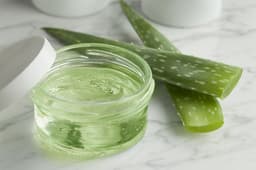
12 remedies to relieve eczema naturally
Eczema, also known as atopic dermatitis, is a prevalent health condition characterized by red rashes and scaly patches of skin that cause an uncontrollable urge to scratch. The skin also becomes dry, increasing sensitivity to chemicals like cleansing agents. While there are treatments for eczema, natural remedies work better for some people, especially if they experience mild symptoms. So, let us take a look at a few natural remedies for this skin disease.
Wear cotton clothes
Clothes made of 100% natural cotton are soft. They do not rub against your skin, reducing itchiness. Natural silk or fabrics coated with antimicrobial agents, such as silver, silver-containing compounds, zinc, and quaternary ammonium compounds, are also suitable for preventing infection. These materials reduce the evaporation of the natural moisturizing agents from the skin. On the other hand, garments made of wool are insulators. They increase the heat on the skin, enhancing the urge to itch, and are not recommended if you show symptoms of eczema or another skin disease.
Apply natural oils
Sunflower seed oil is an excellent natural remedy for several skin diseases, including eczema. The oil’s anti-inflammatory agents prevent adverse reactions on the skin, reducing itchiness and slowing the condition’s progression. They also restore the skin’s ability as a barrier between the human body and the outside environment. Virgin coconut oil is a natural alternative to sunflower seed oil. Its antimicrobial properties help control eczema by preventing infection. Coconut oil also acts as an emollient, reduces dryness, and provides relief, decreasing itchiness.
Take a dilute bleach bath
Studies have shown that dilute bleach baths help people affected by eczema. The optimal concentration is 0.005% sodium hypochlorite (bleach), obtained by mixing half a cup of lower-strength (6% sodium hypochlorite) bleach in a bucket of water. A bath for five to ten minutes twice a week reduces the symptoms’ severity. Do not use a high bleach concentration, as it causes excessive irritation.
Try herbal treatment
Herbal preparations have beneficial ingredients that relieve several skin diseases, including atopic dermatitis. They contain anti-inflammatory, antimicrobial, and barrier-restoring agents that prevent infections and reduce dryness and itchiness in the affected area. Some common ingredients used in herbal therapy include turmeric, cardamom, neem, sarsaparilla, arnica, jewelweed, and pansy flower.
Manage stress
Physical and mental health are co-dependent. Many studies have shown that abnormal levels of mental stress trigger different skin diseases like eczema. Thankfully, there are several effective stress management techniques to promote peace of mind. A few examples are deep breathing exercises, yoga, meditation, tai chi, journaling, massage, guided imagery, journaling, stretching, and early morning or evening walks.
Avoid the triggers
The best way to manage eczema flares is to avoid contact with allergens that trigger the condition. For some people, chemicals are the culprit. They are found in cleaning agents, detergents, cosmetics, hair dyes, synthetic fragrances, and nickel. Others might be allergic to foods like soy, peanuts, shellfish, wheat, milk, eggs, fish, and tree nuts. Further, environmental factors like dust, mites, bugs, pollen, and sawdust can also worsen this skin disease. So, you must try to understand what triggers your condition and stay away from it.
Get sufficient vitamin D
Eczema symptoms are more prevalent during winter than in summer. This could be because of low sunlight during winters; the human body is heavily dependent on sun rays for acquiring vitamin D. Thus, vitamin D supplementation can prevent the worsening of eczema. Besides sunlight, some rich sources of vitamin D are raw veggies (carrots, broccoli, and mushroom), fruits (apples, almonds, and bananas), grains (wheat and brown rice), and poultry (chicken breasts and eggs).
Follow a healthy food plan
Most people pay little attention to what they eat. However, healthy food habits are essential in preventing and managing skin diseases like eczema. Doctors recommend drinking sufficient water to keep the body and skin hydrated and avoiding processed foods to reduce harmful compounds in the blood. Eating fiber-rich foods is also essential, as fiber helps absorb nutrients from the food. Further, loading up on fresh fruits or juice is vital for antioxidants.
Get sufficient prebiotics and probiotics
The body requires healthy bacteria to boost the immune system, regularize metabolism, and perform several other functions. Probiotics are required to maintain the level of good bacteria. They can be found in yogurt, curd, milk, sauerkraut, cheese, pickles, kemp, buttermilk, and kombucha. After growth, prebiotics help to nourish the bacteria. Some foods rich in prebiotics are fruits, green leafy vegetables, legumes, cocoa, chicory, and berries.
Consider acupuncture and acupressure
Acupuncture helps deal with pain and relieve stress. It induces biochemical changes in the body to propagate self-healing and emotional well-being. Acupressure, on the other hand, involves applying intense pressure at specific points identified by a practitioner. The aim is to activate nerves and promote. Studies have proved these methods effective in treating various ailments, including eczema.
Stay in high altitudes
Staying in regions at altitudes ranging from 1,000 to 1,600 meters above sea level reduces eczema rapidly. The higher elevations create a balance between heat and water loss experienced by the skin. High atmospheric pressure also keeps skin moist. This remedy mostly benefits those with lifelong eczema caused by genetic predispositions.
Use wet wraps
When experiencing flare-ups, apply a damp cloth over the affected area for a few hours, preferably before bedtime. It increases the moisture content in the body and helps the skin repair its epidermal layer. But though it provides rapid relief, the increased water activity increases the risk of infection by favoring the growth of microbes. A sterile cotton gauze fabric is the safest option for implementing this remedy.
Though many modern treatments are available for skin diseases like eczema, traditional and natural management methods also provide relief. They usually have minimal side effects and can be practiced by anyone at home. However, you should discontinue a remedy and consult a dermatologist if you experience undesirable results. In mild cases of eczema, the symptoms may disappear without causing much impact on the body. It is due to the body’s ability to self-heal.

9 Cruise Mistakes to Steer Clear Of
You probably dream of going on a cruise ship, but before you board the vessel of your dreams, you should remember certain things to have a seamless experience. A single middle-of-the-sea mistake might make all the difference between a relaxing vacation and a trip that makes you feel like you have weathered the storm. There are several ways to make waves on your cruise vacation and you must exercise a little caution on deck.
Cruise mistakes to avoid
Here are nine mistakes to avoid if you want your next sunset cruise in Key West or any location of your choice to be a trip to heaven and back.
Not taking precautions for seasickness
Remember that you may not be immune to seasickness. Though you are likely to find this out only on deck, there are several precautionary measures you can take. These include staying hydrated, getting enough sleep before the trip, and avoiding activities like reading or staring at digital screens for too long. Sitting and standing in the same direction as the ship’s motion can help reduce nausea. Booking a cabin in the middle and lower deck, where the vessel is most stable, can also help you get a sense of balance. Also, speak to your doctor about remedies that could help you manage seasickness. Further, avoid cruises in seas that are known to be rough.
Overeating
Eating all day on a cruise or diving into your room’s minibar is often tempting. It is likely that your ship has several food counters and even new foods that you may want to try. You are on vacation, after all, so why would you not want to indulge? But remember that overeating could make your nausea worse or induce seasickness. Even if it is complimentary, do not try to make the most of your travel package by overeating. Players like Silversea offer several luxury indulgences on their European Cruises. But you must keep tabs on the foods and drinks you order. F&B packages may seem like a good idea, but you might be charged for each refill, and several extras could make the cost shoot up.
Being rude to the crew
Cruise crew members undergo a lot of hard work. Working seven days a week, often six months at a time, with no paid time off, is not something everyone can handle. On your way off board, remember to tip them to show your gratitude. Remember your “please” and “thank you,” and always be polite when asking for things. Moreover, in case of any conflict, ensure it is resolved quickly and amicably.
Limiting yourself to ship-sponsored excursions
Most cruises, including Silversea European Cruises and the sunset cruises in Key West, may offer ship-sponsored excursions in the ports where they stop. If you like to travel alone, you could skip this “free tour” and do a little exploring by designing your own itinerary. If you are going as a group and do not like the programs sponsored by your ship, you can find a private local operator. This alternative allows you to embark on a unique journey without being limited by the ship’s schedules. But remember to clearly note the time of departure so that you are not left behind.
Forgetting reservations
Most Silversea European cruises and sunset cruises in Key West offered by different operators entail exciting benefits like dinner with the captain, spa treatments, blockbuster production evenings, and romantic tables for two. However, to get a great deal, you must pre-book them. If you want to take advantage of such exciting possibilities, place dips on your preferred dates and reduce the time needed for you to wait in line for special benefits.
Not following ship etiquette
Being on a vacation cruise could be so exciting that you may want to keep the best for yourself and your loved ones traveling with you. But imagine going to the cruise deck and finding all the sun beds “reserved” by people for their friends or family. You would not like that, would you? So, it is important for everyone to follow cruise etiquette. Besides, lousy behavior on a ship could lead to the staff closely monitoring you. Make sure to behave as required by following rules and decorum.
Leaning over the rails
Those with an adventurous spirit will likely lean over the rails to enjoy the view. The ocean waves might look relatively soft and inviting from the deck, but at no point should you give in to the temptation of leaning so much that you jump into the water and put your life in danger.
Booking the wrong cabin
Remember not to skimp on cost when booking a cruise cabin. Most people book cabins based on the price alone. Cheaper cabins tend to be small, windowless, and claustrophobic. But if you plan to be outside at every port stop, then spending on a top-tier suite makes little sense. If you are susceptible to seasickness, you will preferably need a mid-deck room on a lower level. Each cruise line has its own perks, activities, pros, and cons. For instance, Disney’s cruise line is the way to go if you are traveling with children. But if you want a sophisticated and scenic cruise for adults, then booking a Silversea European Cruise may be right for you.
Not keeping tabs on spending
Most “all-inclusive” cruises have a ton of hidden terms and conditions. Do not let this prevent you from going on board, but remember to keep track of your expenditure. Many incidentals can add up without your knowledge and may burn a hole in your pocket at the end of the trip. Remember to check if Wi-Fi, staff gratuities, and shore excursions are charged separately or included in your package. Keep tabs on all your spending and ensure your final bill is accurate when you disembark.