
6 easy tips to manage eczema flare-ups
Eczema is a common skin condition in the country. You may find the symptoms challenging to manage and alleviate without proper knowledge. The common symptoms include thick, scaly patches of raised bumps in the affected area. Understanding eczema triggers may help you handle it better. Therefore, consulting a dermatologist regarding your queries may prove beneficial. So, let’s read further about what exactly eczema is and how it can be managed by resorting to natural home remedies.

What is Eczema?
Eczema is a skin condition causing red, itchy, and long-lasting skin rash. Red patches can appear anywhere on the body during an eczema flare-up, including the feet, hands, ankles, thighs, cheeks, forehead, and neck. As anyone with a skin disease like eczema will attest, the condition is irritating, painful, and itchy. However, if you follow a healthy lifestyle, unpleasant symptoms may typically improve with time.
What eczema looks like on different skin tones
Eczema symptoms may appear different on different skin tones. For example, lighter skin tones may typically experience inflamed, red, and spotted dark pink patches, termed hyperpigmentation.
On the other hand, darker skin tones may experience violet, dark brown, or ashy grey patches. As the skin heals from eczema, it may become lighter, a condition known as hypopigmentation.
Which body parts does eczema affect?
Did you know that the eczema-affected areas of the body may be different at different ages?
Typical locations of eczema in infants and young children include:
- The face
- The exterior portion of the elbows
- Knees
Symptoms in older children and adults are visible in the following locations:
- Fingers and toes
- Arms
- The back of the knees
- Elbow folds
Even though you notice eczema symptoms as an adult, you may have had it since you were an infant or young child. This is because most symptoms emerge during the initial years of childhood. However, it rarely happens that eczema symptoms appear for the first time in adults.
Six easy tips for easing eczema:
Improve your meal plans
Gut health affects your immune system and can deteriorate after consistently consuming excessive carbohydrates, sugar, and processed foods. However, a clear relationship exists between skin diseases like eczema and gut health.
You must note the times you encounter eczema flare-ups and examine the meals you consumed before the outbreak. This will help determine if specific foods trigger skin diseases and conditions like eczema.
Therefore, increase your consumption of anti-inflammatory foods to improve gut health and prevent eczema flare-ups. These foods can include turmeric, cinnamon, leafy green vegetables, seafood, beans, and lentils.
Make simple lifestyle adjustments
Taking a quick cool or warm bath rather than a hot one can significantly reduce eczema flare-ups. For example, a hot bath leads to dry, itchy skin and aggravates skin diseases like eczema.
While washing garments, opt for natural and fragrance-free detergents. These are gentle on the skin and have a soothing effect. This is true for not just clothes but also napkins, sheets, and other accessories like gloves and scarves. Opt for natural cotton clothes instead of synthetic fibers.
Lastly, check your shampoo and soap for harsh substances, like sulfates and parabens, that may worsen the burning, itching, and redness.
Avoid activities leading to heavy perspiration
Do your workouts cause you to itch? People with skin diseases like eczema often feel an itch when they sweat, whether exercising or sleeping under heavy sheets, due to overheating. The body uses sweat as a natural cooling mechanism, but when it evaporates, the remaining dryness and salty residue can make eczema worse. So, if you are experiencing an eczema flare-up, substitute heavy workouts with low-impact exercises or yoga.
Use natural ointments
Herbal ointments can naturally moisturize your skin and alleviate symptoms of skin diseases like eczema. Ointments like comfrey, plantain, and calendula salves benefit people with eczema and related skin diseases since they act as natural moisturizers.
These ointments can be applied once or twice daily on dry skin, during the onset of an outbreak, and to treat active outbreaks. Also, consider applying 2% licorice gel as an eczema remedy.
Lastly, sunflower seed oil has highly beneficial effects on itchy skin, reducing rashes, removing blisters, and enhancing the immune system and skin barrier function.
Control the urge to scratch
Scratching is an instinctual response to an itchy rash for most people. However, people with eczema and related skin conditions should avoid scratching. A technique known as habit reversal may help here. In this technique, you determine when you are most prone to indulge in a habit (in this case, scratching) and distract yourself at those times. If, when watching TV, you find yourself scratching, try engaging your hands with a stress ball, a fidget spinner, or a coloring book.
You may also apply a cold compress or ice, as it will soothe the skin and prevent the itch. Maintaining a moisturizing regimen after washing and before bed is essential to keep the skin hydrated and supple.
Use an apple cider vinegar
Apple cider vinegar is an effective home cure for many skin diseases, including eczema. However, vinegar can injure soft tissue; therefore, it should be applied to the skin with caution. It is essential to know that vinegar is highly acidic, and so is the skin.
Skin with skin diseases and conditions like eczema is less acidic when compared to normal skin. This weakens the skin’s defenses. Hence, you can dilute apple cider vinegar to neutralize the skin’s acidity.
Wrapping up
Skin conditions like eczema may affect both kids and adults. However, these simple tips may help manage it effectively. Modifying your daily routine and introducing healthy lifestyle changes help alleviate eczema and related skin diseases. Ultimately, maintaining healthy and hydrated skin may easily control eczema symptoms.
You May Also Like

7 Mistakes that Internet Users Should Avoid
Everyone likes using the internet. For example, you must have googled a new word today or checked the weather this morning. Your work, play, and possibly even relationships depend on the internet. However, you could make plenty of mistakes while using it. So, here are a few things you should keep in mind, along with some of the best 5G internet plans and everything else you need to know for an ideal home network!
Seven mistakes to avoid while using the internet
Letting the cookie monster run wild
Cookies are files created on your computer whenever you visit a website. This information usually contains login data and is inherently harmless. However, some websites may use them negatively by tracking your web-behavior. To avoid this, and maintain your privacy, be careful about allowing permission to cookies. The website itself assigns first-party cookies and, thus, is mostly safe. Third-party cookies tend to come from other domains like advertising agencies and must be allowed more sparingly. Only websites like online banking portals require third-party cookies for user verification.
Piling up tabs
Anyone uncomfortable with a bar tab can tell you how annoying it is to have something weighing on you. Most people habitually open a new tab whenever they encounter something interesting but never actually read the site. This action piles up, and dozens of tabs open, resulting in poorer performance. So what you can do to reduce this tab overload is group your tabs. Grouping allows you to categorize tabs neatly and improve performance simultaneously.
Falling for click-bait ads
Hackers use spoofing to make fake links and emails look legitimate. Such advertisements are usually catchy and look like they are from legitimate sources, often offering discounts or informing you about free giveaways. However, once you click on these, hackers send viruses your way, which can pose a security threat. So while using the internet, be vigilant and avoid shady links.
Retaining the same password for everything
This tip is for you if you use the same password for different accounts. Passwords are designed to keep your data and accounts safe. However, almost everyone is guilty of using similar passwords for different accounts. This makes it easy for top hackers to get your credentials in one go. If they steal one password, they can access your other accounts too. Remember to create different passwords for your accounts and keep track of them “offline.” Writing them down in your cloud-connected notes app is unfavorable for your internet security.
Over-sharing on social media
Everyone loves showing off their lifestyle. Or maybe you felt cute or angry. Most of these situations prompt some social media posts. However, it is dangerous to share too many details on social media. It is possible that someone looking to hide their identity uses your social media profile and exploits your account. So, be wary about how much your life, interests, and family details go online. It does not mean you must be paranoid about who notices your profile. It is essential, however, to be aware of how much you disclose and don’t reveal a mini autobiography for all and sundry to see and take advantage of.
Not using protection for public WiFi
That “Free WiFi” sign at a cafe probably caught your eye. But guess what? It probably also caught the eye of your not-so-friendly neighborhood hacker. But installing a VPN (Virtual Private Network) app can keep your online activities and data safe. It gives you a virtual IP address through which no one can track you. If you are skeptical about purchasing a plan, look for free VPN apps or consider installing a VPN plugin suitable for your browser. Once activated, you can use any WiFi you want without any worries.
Disregarding double safety offered by 2FA
2FA or two-factor authentication uses an extra device apart from your password to log in. Most accounts, including Google, Instagram, and LinkedIn, have 2FA set up, so you can effortlessly increase your safety and prevent a mistake that could endanger your data. Though the additional steps might seem tedious, especially if you forget your password, it is the safer option. If someone gets hold of your passwords, they still cannot access your accounts because they need a device the website recognizes as yours.
Five best 5G internet plans for your home
Now you know what not to do online. But how do you get online? If you are considering changing your internet service provider, the following are 5 of the best 5G internet plans in the market.
Verizon 5G Ultra Wideband
The Verizon 5G Ultra Wideband mobile service marketing says it is ten times faster than other 5G internet networks. The Play More and Do More plans have unlimited text, talk, data, and many subscriptions. However, Verizon is only ideal for those living in major cities.
T-Mobile Magenta MAX
T-Mobile Magenta MAX is one of the best plans. If you use plenty of data and want it without slow-downs, along with global roaming and complimentary Netflix, this is the plan for you. However, its speed could be more consistent with other 5G internet providers.
AT&T Unlimited Starter Plan
AT&T Unlimited Starter Plan includes free texting from 120 countries, spam and fraud alerts, and unlimited talk and data. The single drawback is that the carrier slows down data speed during congestion.
UScellular
UScellular is a standalone US network accessible in Iowa, Wisconsin, and the midwestern United States. Though relatively localized, the carrier boasts of fast internet at affordable rates.
Mint Mobile
If you have a small budget but want a service like T-mobile, then Mint is the suitable phone carrier for you. You can roam freely across the US and parts of Canada and Mexico and automatically switch between 4G and 5G, depending on which is better in the region.

5 bad habits that can trigger heartburn
Heartburn or acid reflux is a condition in which stomach acid flows back to the esophagus, leading to a burning sensation in the chest and throat. Certain foods, especially those that are spicy, processed, or fried, and several ongoing treatment options may contribute to heartburn or worsen it. Additionally, a few seemingly harmless daily habits can increase the risk of acid reflux. So, here are unhealthy habits that may trigger heartburn:
Overeating
Eating large meals or more than one requires is one of the biggest reasons for heartburn. When one eats, the food travels through the esophagus to the stomach. Between the mouth and the stomach, there is a muscle called the lower esophageal sphincter, or LES, which closes up when the food reaches the stomach. However, when one eats too much, the stomach stays distended, meaning it is unable to close due to the pressure of food inside of it. When the LES does not close, the extra food and stomach juices can easily travel back up through the esophagus, causing acid reflux or heartburn.
Eating too quickly
Being impatient with meals is another trigger for heartburn. Further, eating while lying down, eating too close to bedtime, having large meals frequently, and not maintaining enough gap between two meals to allow digestion are some other unhealthy habits that may trigger heartburn.
Not engaging in physical activities
According to height and other individual characteristics, there is an ideal body mass for each everyone. When the body mass exceeds the normal range, one may be at a higher risk of heartburn. In fact, certain studies suggested that those who experienced heartburn issues typically had higher body mass than those who did not. However, exercise too can trigger heartburn at times. This may happen due to increased pressure in the abdominal region while working out, especially those who lift heavy loads while exercising. Cyclists are also known to experience heartburn the least, and runners usually notice mild symptoms of heartburn.
Ignoring treatment side effects
When dealing with health conditions, the treatment could have side effects like heartburn. Such health issues include high blood pressure, heart issues, asthma, osteoporosis, anxiety, insomnia, arthritis or other similar diseases, depression, Parkinson’s, cancer, muscle spasms, or pain. Certain treatments recommended for hormone therapy may also cause heartburn. So, it is important to understand the risks of treatment options and consult a doctor to help minimize such side effects.
Overlooking other underlying issues
Hiatal hernia is a condition in which the lower esophagus sphincter and the upper part of the stomach move above the diaphragm. The diaphragm is a muscular wall that separates the stomach from the chest and also helps in keeping the LES closed so that the stomach acid and food do not back up into the esophagus. However, when the stomach bulges through the diaphragm, it develops into a hiatal hernia. This is not brought on by unhealthy habits but due to injury in the region or any persistent and intense pressure around the muscles. So, vomiting, coughing, exerting too much pressure during bowel movement, or exercising with heavy weights with no proper posture can increase the risk of hiatal hernia, which further leads to acid reflux. It is usually difficult to diagnose a hiatal hernia as heartburn is the only symptom here, which can be confused with many other complications.
Tips for managing heartburn
Upon observing persistent heartburn, one should speak to a doctor first to eliminate the possibility of other health conditions contributing to the problem. In addition to treatment, the following tips can help one manage the condition:
Maintain a food journal: This can be especially helpful when one has not yet identified the foods that cause or trigger heartburn. Maintaining a food journal will help one keep track of foods and drinks that do not cause uneasiness and those that do. Doctors usually suggest limiting the intake of spicy food, as it seems to be a trigger for most people. Further, overly processed foods or fried foods can trigger acid reflux.
Eat alkaline foods: To lower the risk of heartburn, one can choose alkaline food like a ripe banana, which is known for its high potassium content and can help one manage acid reflux. One can also opt for melons, cauliflower, fennel, and nuts. However, unripe bananas are not as alkaline, so they may, in fact, trigger heartburn instead of helping relieve it.
Wear loose clothing: This may seem to be unrelated, but wearing tight clothes contracts the muscles in the body and restricts proper movement. This can squeeze the stomach muscles, which may trigger acid reflux by sending stomach juices back up through the esophagus. So wearing loose clothes is usually encouraged to lower the risk of heartburn. Wearing comfortable clothes is usually better than tight outfits to also allow the skin to breathe properly.
Fix sleeping position: One should keep their head and chest elevated than the lower body so as to not allow the stomach fluid to flow back up through the food pipe. One can adjust their mattress in such a way that they stay in the same position while sleeping. Adding a foam wedge under the mattress near the headboard can help ensure the chest stays slightly elevated. One should, however, avoid opting for uncomfortable sleeping positions or making drastic changes if they are likely to develop neck or back pain due to such changes.
Manage stress: Those experiencing chronic stress are also prone to physical changes in their body. The stress can slow digestion, letting food stay in the stomach for a longer period and allowing the stomach acid to back up into the esophagus. Also, stress can contribute to an increased sensitivity to pain, which can make heartburn seem even more painful.

11 management options to keep anxiety at bay
People with anxiety disorders regularly and excessively experience fear and panic in everyday situations. If unchecked, anxiety can impair normal functioning and degrade the quality of life. One must consult a health expert if anxiety is affecting their social life. But first, ensure that any physical health issues are ruled out before consulting them. Most individuals with anxiety disorders need medication or therapy, but coping strategies and lifestyle decisions can also be helpful.
Stop and take a breath
When you experience an anxiety episode, take a moment to think about what is making you feel uneasy. Usual anxiety symptoms include concerns about a recent or distant event. For example, you can worry that something wrong will happen to you in the future. Or, you can still be upset about something that has already happened in the past. But, whatever your concerns, most anxiety issues stem from not focusing on the present. The next time you feel nervous and get distracted from the present moment, sit down and take some deep breaths to reclaim your composure. You can regain balance and return to the present moment by pausing and taking a few deep breaths. If you have the time, consider advancing this practice by experimenting with breathing techniques.
Noting down your triggers
One must identify what’s upsetting them to address the underlying cause of their anxiety. One can achieve it by setting aside time to assess your emotions and thoughts. Journaling is a fantastic method to connect with your anxiety triggers. Keep a diary or notepad beside your bed if your anxiety-related thoughts keep you awake at night. You can note down all the issues troubling you. Another technique to identify and understand your nervous feelings is speaking with a friend.
Consider the things you can change
Worrying about things or incidents that are yet to occur or might never occur can often lead to anxiety. For instance, even if everything is fine, you could still be concerned about unnecessary concerns such as losing your job, falling sick, or ensuring the security of your loved ones. Understanding the fact that life can be unexpected and you cannot constantly regulate what happens is vital. You can, though, choose how you will approach the unknowable. By letting go of anxiety and channeling your attention toward gratitude, you can transform your worries into a power source. Change your perspective on your fears to get rid of them.
Look for distractions
Sometimes, wilfully distracting yourself from your fears can be most beneficial. You can do so by helping others, performing housework, indulging in a fun activity or hobby like music, watching movies/shows, and more.
Learn to recognize and control your triggers
One can identify triggers either on your own or through a counselor. It may take time to pinpoint a long-term problem, such as financial difficulties or the workplace environment (deadlines, relations with colleagues, or any specific incident). Again, this can require some additional help through therapy or with colleagues. Limit your exposure once you’ve discovered your trigger. However, alternative coping strategies can be helpful if you cannot lessen it, for instance, if a challenging workplace triggers your trigger. Still, you are unable to move away immediately.
Implement cognitive behavioral therapy
Cognitive behavioral therapy (CBT) teaches people various ways to perceive and react to anxiety-triggering situations. With a therapist’s assistance, CBT teaches you to change negative thoughts through new habits and actions before they spiral into serious complications.
Socializing
Each person is unique, and not everyone experiences anxiety, but regularly spending time with loved ones can help one regulate anxiety levels if they experience such bouts. Social interactions mitigate loneliness, reduce stress, and encourage laughter and a sense of community. In addition, research shows social interaction can eventually increase your tolerance to stress.
Making changes to lifestyle habits
Lifestyle changes can also be beneficial in reducing anxiety and helping you cope with anxiety-related attacks. For example, your degree of physical exercise, the amount of rest you get, and what you eat affect your anxiety levels. Research indicates that food habits can impact mood or stress factors. For instance, those who eat foods high in vegetables and fruits usually have reduced stress levels. Your mental health and stress levels can both be significantly impacted by sleep. Research suggests that one potential cause for anxiety disorders, including generalized anxiety disorder, is sleep issues. An increase in tension and anxiety can result from even brief sleep disturbances.
Understand your condition
Consulting a healthcare professional will help a person discover what triggers their condition and the type of therapies that may be appropriate for managing it. Invite your loved ones and friends and solicit their assistance while seeking professional help.
Enquire about prescriptions with your doctor
If your anxiety becomes alarming and prompts a mental health practitioner to think you may benefit from prescription treatment, there are several ways to approach this method based on your symptoms. However, discuss your concerns with your doctor before opting for any prescription therapy.
Make changes to your nutritional regime
Nutritional changes and the use of supplements are long-term solutions to managing anxiety. Research indicates that regular intake of vitamins and nutrients can reduce anxiety levels in people. Lemon balm, green tea, and kava are a few items you can fit into your meal plan. It may take a few months to notice the benefits provided by these food choices. However, be careful while opting for herbal remedies, as they may involve side effects.
Most individuals occasionally experience episodes of anxiety. During such times, one can try breathing techniques, journaling, finding diversions, and taking overall care of yourself. Anxiety can also indicate an underlying mental health disorder when they interfere with social relationships, work productivity, and other aspects of life. Speak to your physician or a mental health expert if you regularly feel anxious or panicky. They’ll be able to answer your queries, explain the diagnosis, and walk you through possible treatment options.
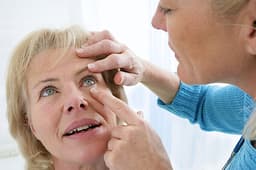
Age-related macular degeneration – Causes, symptoms, and management techniques
Age-related Macular Degeneration (AMD) is a common condition that affects the macula – a light-sensitive tissue at the back of the eye. Age-related Macular Degeneration is the top cause of blindness in people over 65, affecting more than 6 million people today. As you age, AMD can cause a progressive loss in central vision (the ability to see objects clearly). It can lead to vision loss or blurriness of things you see with your central eye.
Here we will take an in-depth look at what causes AMD, how it affects your eyesight, and what treatments are available.
What is macular degeneration?
Macular degeneration is a disease that affects the macula or the light-sensitive tissue at the back of your eye. It causes blurred vision and loss of central vision (the area where you see things clearly).
This can make driving dangerous or impossible for some individuals who have lost their peripheral vision because they cannot judge distances accurately anymore.
Risk factors
In general, the following risk factors are associated with AMD:
- Age (50 or older)
- Gender (men more likely than women)
- Family history of AMD in first-degree relatives (parents and siblings), especially if there is a tendency for early onset of the condition
- High-risk factors include high blood pressure, cholesterol, smoking, and diabetes.
Symptoms of AMD
There are many symptoms of macular degeneration, including:
- Poor central vision (the ability to see objects clearly)
- Vision loss in the center of your field of vision
- Difficulty reading text or other small print
- Blurriness
What causes age-related macular degeneration?
Age-related macular degeneration (AMD) is a form of vision loss that affects the central part of your retina. It can make it hard to see faces, read, watch TV, and more. Your peripheral (side) vision may remain normal.
Experts do not know precisely what causes AMD or how people get it, but they know that smoking cigarettes increases your risk of developing AMD by 50%. Current research shows that smoking increases your risk of developing AMD by 40% – 80%.
Many treatments are available for patients with early stages of this condition, so do not hesitate to talk with ophthalmologists about options for managing any issues you may have related to this disease!
Management options of AMD
There are several treatment options for AMD, including:
Laser treatment
This can be performed on the eye’s surface or, in more advanced cases, within the back of the eye. Laser therapy is also a good option if you have cataracts but no other AMD symptoms. The laser helps dissolve blood vessels causing inflammation and pain in your eyes, preventing new blood vessels from forming so they do not become inflamed again over time (this might take months).
Drug therapy (topical medications)
There are several drugs available for treating dry eyes caused by AMD: artificial tears, anticholinergics such as tetracycline hydrochloride (a medicine used for many types of infections), cyclosporin A injection given into muscle tissue at least once daily until improvement occurs; steroids like prednisone can be taken orally as well as injected into muscle tissue regularly until improvement occurs; topical lubricants containing polyethylene glycols may help reduce sensitivity due to dryness/burning sensation.
Life-style modifications for people with AMD
- Eat a healthy meal
- Get regular exercise
- Stay socially active
- Limit consumption of hard drinks
- Get enough sleep every night—at least 7 hours per night without interruption—and try not to nap during the day.
- Manage stress as much as possible.
How to treat age-related macular degeneration?
Several things can help improve your vision if you have age-related macular degeneration. The first is to find a doctor who specializes in treating this condition. Your eye care professional will want to know all about your medical history and any other health conditions that might also affect your eyes or body.
You should follow a healthy meal plan and increase your physical activity levels by joining an exercise program or walking more often throughout the week.
In addition to getting regular eye exams at least every year, people with macular degeneration need to keep track of how much sleep they get each night because chronic lack of rest can cause further damage to their eyesight.
What are the remedies for age-related macular degeneration?
If you have macular degeneration, taking care of your eyes is essential. The best way to do this is by eating healthy meals and exercising regularly. You should also ensure that you have regular eye exams so your doctor can monitor the progression of the disease in case it progresses faster than expected.
In addition, certain medications can help prevent further damage from developing if left untreated, while others can be used as a treatment once symptoms appear (like laser surgery). To ensure all of these options are noticed and utilized, ensure you get an early diagnosis and treatment for macular degeneration!
There are currently several options to consider when managing age-related macular degeneration.
Supplements
For several reasons, following a proper meal plan is essential to managing this condition. Several natural remedies can be used to treat macular degeneration:
Vitamin C (ascorbic acid)
This vitamin acts as an antioxidant in the body and effectively reduces the effects of oxidative stress caused by free radicals in the eyes. It also helps maintain healthy endothelial cells in the retina that nourish blood vessels.
Conclusion
The best thing people can do is visit their doctor regularly for regular checkups. We hope the above options help you manage, if not cure, AMD. Proper management of AMD can help avoid losing vision once and for all. Managing AMD is a better solution to living a happy and healthy life. This includes adhering to a strict meal plan, following proper workouts, and having a positive mindset to combat any unforeseen circumstances. In case of any confusion, it is recommended to reach out to your healthcare professional.

6 Mistakes to Avoid While Booking a Hotel Stay
When you travel, it is important that you take all the necessary precautions to ensure your safety and well-being on the trip. One of the best ways to do this is by avoiding mistakes when booking your accommodation. Whether traveling with or without pets or visiting crowded tourist-centric places like Las Vegas and Miami or remote areas, it is always wise to stay ahead and avoid common mistakes to ensure a memorable and enjoyable trip.
Not considering the location
Another common mistake is to consider the location of the hotel you are booking. If you are visiting an unfamiliar city, consider booking a hotel close to the attractions you want to visit. This will make it much easier to get around and will help you save money on transportation. Booking hotel rooms near attractions also saves time and enables you to enjoy the place until late hours. Booking accommodation at faraway places may not allow you to enjoy the late-night experience or capture its beauty in the early morning hours. Also, remote locations may not be extremely safe as they might be scarcely populated. So, you should also ensure that the hotel is located in a safe area. Check online reviews and talk to people who have stayed at the hotel to get an idea of the neighborhood. You may even want to walk around the area during the day to get a better feel for the site.
Not looking for pet-friendly hotels
When traveling with pets, one of the most common hotel booking mistakes is not checking the hotel policy and looking up pet-friendly discount hotels. Some hotels may charge an additional fee if you bring a pet with you without checking with the management. Some may have additional pet policies, so it is essential to do your research first. You should also ensure that the hotel is clean and safe for your pet. Check reviews and ask other travelers about their experience with top pet-friendly hotels. You may even want to call ahead to ensure that the staff can provide the necessary accommodation.
Overlooking the fine print
Another common hotel booking mistake is not reading the fine print. Before you book a room, read all the policies and fees associated with your stay. Some hotels may have hidden fees that could cost you more at the end of your stay. It is also essential to ensure you fully understand the cancellation policy. Some hotels may charge a fee if you cancel your reservation, or the booking could be non-refundable. So read through and confirm all the details before you book a stay. It is also essential to check the refund policy of the hotel to ensure you will get a full or adequate refund on canceling your stay. For example, most Vegas hotels offer a full refund only when the booking is canceled 72 hours before the date of stay.
Not comparing prices
When booking a hotel, it is crucial to compare prices to get the best deal. Hotels may offer different rates depending on the quality, site, dates, and room you book, so ensure you get the best deal. You can use online tools or third-party applications/websites to compare hotel prices and find good deals. Many hotels offer discounts for booking online or for members of specific loyalty programs. Take advantage of these discounts to save as much money as possible. You should also look for promotional codes or discounts on different sites. Some of the best accommodations in tourist-friendly cities offer many deals throughout the year. Vegas hotels are known for their comparative rates. It is also a good idea to check the prices of top hotels during the off-season, such as the Encore Resort and the Wynn Resorts. Encore hotel may offer luxurious stays in the non-tourist season.
Booking at the last minute
Another common mistake is booking a hotel right before you leave. If you book a hotel at the last minute, you are likely to pay more than you should. Additionally, you may have fewer options when it comes to room types, amenities, or locations. To avoid paying more for your hotel, book in advance. This will give you time to compare prices and find the best deal. Plus, you will have more time to research the hotel and ensure it meets your needs. Booking at the last minute may also deprive you of a full refund, as many hotels have a 72-hour refund policy when canceling the booking. Booking late cannot be avoided when you make a sudden travel plan. So, in those situations, it is best to consult a friend or colleague who has traveled to the location recently or if you can find discounts.
Not using reward points
If you are a frequent traveler, consider signing up for a loyalty program to get offers, discounts, and other perks, such as free upgrades or early check-in. Hotels may also offer complimentary breakfast or other amenities if you are a member of their loyalty program. Loyalty programs can help you save money in the long run. If you book a stay with the same hotel chain multiple times, such as the Encore Hotels, Wynn reward points can be redeemed at both Wynn Resorts and the Encore Suites. You can earn points to get discounts or complimentary stays in the future. So it is worth signing up for loyalty programs if you travel frequently.
Traveling can be an exciting and rewarding experience, but it is crucial to ensure that you plan well and take all the necessary precautions to ensure your safety and well-being. You can provide your trip is successful by avoiding common hotel booking mistakes. Whether traveling for business or pleasure, avoiding these mistakes will help you make the most of the trip. So, start planning your next trip and travel smarter.