
8 Medical Conditions That May Cause Severe Hair Loss
Hair loss or alopecia is a dreaded condition most commonly associated with middle-aged men, but unfortunately, it may even occur in young children. When you lose 50 to 100 hair each day, you would think it is not that big a deal. However, sometimes you may lose more, or perhaps new hair does not replace lost hair quickly. So let’s learn about hair loss and the medical conditions that trigger it.
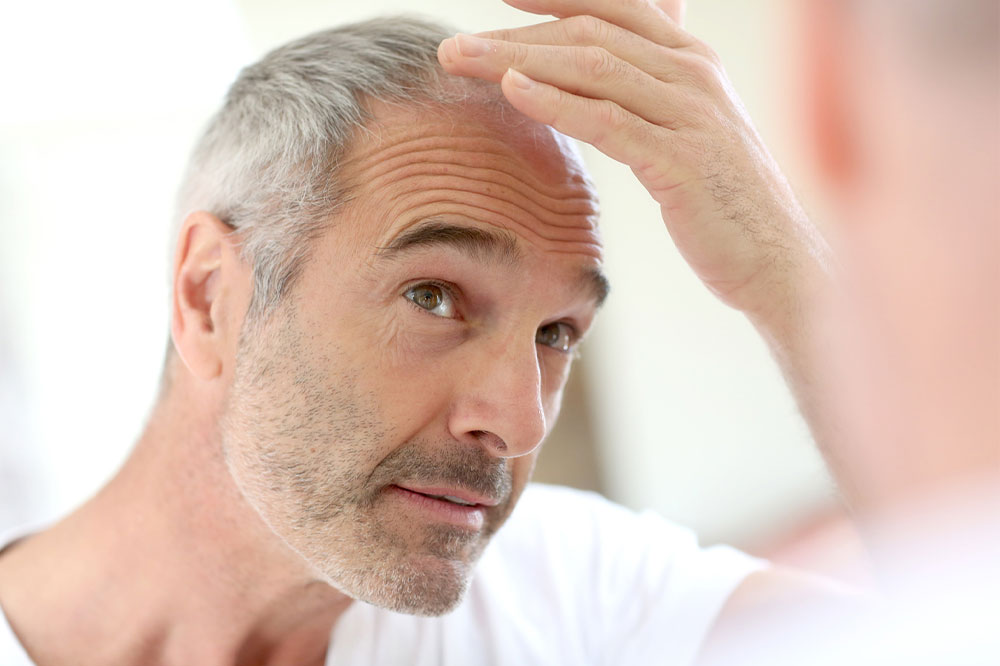
Signs to look out for
Sometimes it can be tricky to differentiate regular hair loss from severe since even routine combing is bound to produce a handful of strands. For example, alopecia has the following symptoms – widening patches of scaling, receding hairline, loose hair, bald patches, and pain or itching on the scalp. Thinning of hair can take any form and sometimes may not appear on your head. Or, your drains may get clogged more, and perhaps your brush is full of hair if you suffer from alopecia.
Medical conditions that trigger severe hair loss
Most people do not talk about hair when they talk about their health. It is unfortunate since hair fall coincides with several health conditions. The following are some ailments known to trigger severe or noticeable hair loss.
Alopecia areata
The first condition that triggers severe alopecia is an autoimmune condition. Some researchers believe this illness which triggers unpredictable hair loss, runs in families. It is, unfortunately, quite common. However, the silver lining is that in most cases, only a tiny patch of hair, about the size of a quarter, falls out. If there is severe hair loss all over the scalp, it is called alopecia totalis. And if hair loss is all over the body, it is called alopecia universalis.
Androgenic alopecia
If you know a little Greek, you know that andros means man, but androgenic alopecia is hereditary hair loss that occurs in men and women. It may occur as early as puberty in some people but is typically noticed only in middle age, after age 65. In men, it is likely to occur progressively above the temples, and thinning starts at the crown, creating an M shape. Androgenic alopecia is the most common medical cause of hair loss, affecting about 50% of the world’s population.
Tinea capitis
Another medical condition that can cause severe hair loss is ringworm of the scalp or Tinea capitis. The regions affected on the scalp and hair shaft tend to become scaly and itchy. Unless treated early on, the size of the patch increases and tends to fill with pus. These patches are known as kerion and may cause relatively permanent scarring. There may be coloring on the scalp, and tender to the touch. However, the good news is it is treatable with simple antifungal cream.
Syphilis
A bacterial infection that is sexually transmitted and can cause severe and noticeable hair loss is syphilis. Though the first symptoms are bodily sores, secondary syphilis, occurring a few weeks after the infection, can be accompanied by hair loss. This shedding occurs in a “moth-eaten” pattern – that is, in small patches across the scalp. It does not leave scars on the head and can be reversed with treatment. Instead, the hair returns to normal within three months of antibiotic treatment.
Cancer
Cancer treatments are a boon and can save many lives, but they have several side effects. There is, of course, nausea, dizziness, and hair loss. Typically, radiation therapy to the upper body or chemotherapy causes hair loss on parts or the entire scalp within a few weeks after the treatments start. Wearing cooling caps during the sessions can prevent hair loss. But also, it is essential to remember that hair regrowth tends to begin within a few months of completing the chemotherapy or radiation. Dermatologists typically work with your oncologists to prescribe to speed up hair growth.
Telogen effluvium
Telogen effluvium refers to sudden hair loss that results from emotional or physical shock or a traumatic event. Extreme stress or serious illness is a common cause of severe hair loss. It may result from hormonal changes with pregnancy, postpartum, menopause, and PCOS. Additionally, malnutrition, endocrine disorders, acute infections, surgery, and particularly anesthesia can result in severe hair loss. Drugs like anticoagulants, anticonvulsants, oral retinoids, and beta-blockers are peculiar reasons for losing hair. The good news is that hair tends to grow back when the underlying problem is treated.
Iron Deficiency Anemia
A lack of sufficient iron in the body reduces the number of healthy red blood cells. It means that oxygen transport in the body is impaired, and most organs suffer. Iron is absorbed from non-essential organs like the hair follicles when it is less in the body. And it leads to dry and brittle hair that breaks easily. Thus, this medical condition can seriously impair your health and cause severe hair loss. So, for example, if your thinning hair co-occurs with tiredness and heart palpitations, you might want to ask your doctor for iron tablets.
Thyroid conditions
The thyroid gland is responsible for metabolism, but when it is overactive or underactive, it can cause hair loss. This type of hair loss can be accompanied by changes in hair texture and even thinning of body hair. Often, thyroid problems result from autoimmune reactions and may accompany alopecia areata. Some causes of thyroid abnormalities include Graves’ disease or Hashimoto’s disease. You can rectify this health imbalance, but most thyroid treatments take a few months to show positive changes.
Conclusion
Severe hair loss can be gradual or abrupt and temporary or permanent, depending on the cause. Whatever the reason, do not pull your hair out worrying, but give yourself and your scalp some time. Be kind to hair that is new in texture or slow to grow because it could take quite a while to return to normal.
You May Also Like

5 bad habits that can trigger heartburn
Heartburn or acid reflux is a condition in which stomach acid flows back to the esophagus, leading to a burning sensation in the chest and throat. Certain foods, especially those that are spicy, processed, or fried, and several ongoing treatment options may contribute to heartburn or worsen it. Additionally, a few seemingly harmless daily habits can increase the risk of acid reflux. So, here are unhealthy habits that may trigger heartburn:
Overeating
Eating large meals or more than one requires is one of the biggest reasons for heartburn. When one eats, the food travels through the esophagus to the stomach. Between the mouth and the stomach, there is a muscle called the lower esophageal sphincter, or LES, which closes up when the food reaches the stomach. However, when one eats too much, the stomach stays distended, meaning it is unable to close due to the pressure of food inside of it. When the LES does not close, the extra food and stomach juices can easily travel back up through the esophagus, causing acid reflux or heartburn.
Eating too quickly
Being impatient with meals is another trigger for heartburn. Further, eating while lying down, eating too close to bedtime, having large meals frequently, and not maintaining enough gap between two meals to allow digestion are some other unhealthy habits that may trigger heartburn.
Not engaging in physical activities
According to height and other individual characteristics, there is an ideal body mass for each everyone. When the body mass exceeds the normal range, one may be at a higher risk of heartburn. In fact, certain studies suggested that those who experienced heartburn issues typically had higher body mass than those who did not. However, exercise too can trigger heartburn at times. This may happen due to increased pressure in the abdominal region while working out, especially those who lift heavy loads while exercising. Cyclists are also known to experience heartburn the least, and runners usually notice mild symptoms of heartburn.
Ignoring treatment side effects
When dealing with health conditions, the treatment could have side effects like heartburn. Such health issues include high blood pressure, heart issues, asthma, osteoporosis, anxiety, insomnia, arthritis or other similar diseases, depression, Parkinson’s, cancer, muscle spasms, or pain. Certain treatments recommended for hormone therapy may also cause heartburn. So, it is important to understand the risks of treatment options and consult a doctor to help minimize such side effects.
Overlooking other underlying issues
Hiatal hernia is a condition in which the lower esophagus sphincter and the upper part of the stomach move above the diaphragm. The diaphragm is a muscular wall that separates the stomach from the chest and also helps in keeping the LES closed so that the stomach acid and food do not back up into the esophagus. However, when the stomach bulges through the diaphragm, it develops into a hiatal hernia. This is not brought on by unhealthy habits but due to injury in the region or any persistent and intense pressure around the muscles. So, vomiting, coughing, exerting too much pressure during bowel movement, or exercising with heavy weights with no proper posture can increase the risk of hiatal hernia, which further leads to acid reflux. It is usually difficult to diagnose a hiatal hernia as heartburn is the only symptom here, which can be confused with many other complications.
Tips for managing heartburn
Upon observing persistent heartburn, one should speak to a doctor first to eliminate the possibility of other health conditions contributing to the problem. In addition to treatment, the following tips can help one manage the condition:
Maintain a food journal: This can be especially helpful when one has not yet identified the foods that cause or trigger heartburn. Maintaining a food journal will help one keep track of foods and drinks that do not cause uneasiness and those that do. Doctors usually suggest limiting the intake of spicy food, as it seems to be a trigger for most people. Further, overly processed foods or fried foods can trigger acid reflux.
Eat alkaline foods: To lower the risk of heartburn, one can choose alkaline food like a ripe banana, which is known for its high potassium content and can help one manage acid reflux. One can also opt for melons, cauliflower, fennel, and nuts. However, unripe bananas are not as alkaline, so they may, in fact, trigger heartburn instead of helping relieve it.
Wear loose clothing: This may seem to be unrelated, but wearing tight clothes contracts the muscles in the body and restricts proper movement. This can squeeze the stomach muscles, which may trigger acid reflux by sending stomach juices back up through the esophagus. So wearing loose clothes is usually encouraged to lower the risk of heartburn. Wearing comfortable clothes is usually better than tight outfits to also allow the skin to breathe properly.
Fix sleeping position: One should keep their head and chest elevated than the lower body so as to not allow the stomach fluid to flow back up through the food pipe. One can adjust their mattress in such a way that they stay in the same position while sleeping. Adding a foam wedge under the mattress near the headboard can help ensure the chest stays slightly elevated. One should, however, avoid opting for uncomfortable sleeping positions or making drastic changes if they are likely to develop neck or back pain due to such changes.
Manage stress: Those experiencing chronic stress are also prone to physical changes in their body. The stress can slow digestion, letting food stay in the stomach for a longer period and allowing the stomach acid to back up into the esophagus. Also, stress can contribute to an increased sensitivity to pain, which can make heartburn seem even more painful.

Esophageal cancer – Early symptoms and management
Esophageal cancer is a type of cancer that affects the tube that connects the throat to the stomach. Tumors arise in the mucosa region of the esophagus, which is the inner lining. Early detection of this cancer can help successfully treat the disease, so observing early signs and symptoms is essential. Also, here are some of the changes in the body to observe, possible treatment options, and prevention tips for the disease.
Trouble swallowing
Also known as dysphagia, this is a prevalent symptom of esophageal cancer, where swallowing becomes a difficult task. It usually feels like food is stuck in the chest, and also, for some people, swallowing becomes impossible, and they start to choke. As the cancer spreads, the esophagus narrows down with time, making it even more difficult to swallow. This also increases the intensity of pain in the esophagus. Those suffering from this condition are asked to switch to smaller meals, eat soft foods, and try to eat less solid foods. Getting the symptoms checked by the doctor immediately is recommended so that early detection of the disease can be done and treatment for the same can be started.
Chronic chest pain
Chronic pain is another common early warning sign of esophageal cancer, like chronic heartburn and gastroesophageal reflux disease or GERD. This chest pain feels like a burning sensation in the middle of the chest and becomes even more prominent with this type of cancer. Another sign to observe is that some people may experience chest pain right after swallowing the food in a few seconds. This usually happens when the food reaches the tumor site in the esophagus and causes pain. Seeking professional advice on how to manage this is exceptionally crucial.
Change in body mass index
If there is any change in the body mass index without any extra effort, then it may point to an underlying cause or disease. According to research, roughly fifty percent of those diagnosed with esophageal cancer have experienced unexpected and drastic reductions in body fat. This may not be a warning sign if you are putting any voluntary efforts into reduction. However, it indicates an illness otherwise, so a health checkup is essential.
Persistent coughing or hoarseness
A persistent cough lasting more than three weeks can indicate some issues with the esophagus and requires a diagnosis. A change in the voice note, often recognized as hoarseness, remains persistent along with the coughing. It has been studied that this hoarse voice could be due to the tumor’s proximity to the trachea and vocal cords and the voice note changes. If this is not treated in time, it can cause permanent damage to the vocal cords, and the hoarseness may not go away.
Indigestion and regurgitation
Due to the esophagus being infected with cancer cells, it becomes difficult to eat anything. And not just that, even digestion becomes difficult. Regurgitation can cause the food or liquid to flow back into the esophagus, and a sour taste often accompanies this. This is one of the first telltale signs of esophageal cancer.
Prevention tips
There is no way to predict the onset of any disease. However, there are ways to reduce the risk of developing it by leading a healthy lifestyle. This includes living in an environment with no air pollutants, eating the right foods like whole grains, fruits, and vegetables, limiting or eliminating processed foods, maintaining healthy body fat, and doing regular checkups to ensure the symptoms do not get severe.
One of the best ways to reduce the risk of cancer is early detection, so make sure to get annual health checkups, which include entire body scans, blood tests, and other such assessments.
Treatment options
The treatment methods can vary depending on the disease’s severity and from individual to individual. Three different types of treatments include:
Radiation therapy
This includes using X-rays, gamma rays, and other such charged particles that fight cancer in the body. These rays directly target the infected cells to kill them.
Chemotherapy
This involves taking treatment orally or intravenously, which can fight off the cancer cells. Usually, this kind of treatment weakens the body, and some side effects can be challenging to manage if not taken care of mindfully.
Surgery
This is the last stage of treatment, where surgery removes the cancerous tissue that can spread in the body. This is usually chosen as a last resort, and other treatment methods are tried primarily to fight off the disease without any lacerations.
Combined treatments
Apart from these individual treatments, there is a possibility that the healthcare professional may suggest a combined approach to the treatment. This means that they can combine these different therapies and surgery to provide a holistic and successful solution.
- These combined treatments include neoadjuvant therapy, which combines radiation and chemotherapy. This treatment aims to shrink the tumor cells so that they do not occur before the surgery is performed.
- Research suggests that chemotherapy and radiation are applied together, which is most likely to halt the spread of cancer that usually starts developing beyond the tumor site. So its spreading is limited, making it comparatively easier to manage and treat further. It is also observed that when this combined therapy is used before the surgery, the patients recover more quickly than when it is performed after the surgery.
It is imperative to stay vigilant about any changes observed in the body. Keep an eye out for unusual symptoms, and always speak to your primary care doctor for an opinion on moving further for specific diagnoses and tests. Also, it is advisable to join support groups with individuals experiencing a similar condition. This will benefit the patient to talk about their fears, concerns, and thoughts, and it could be a safe place to express themselves without any judgment.

Whitening toothpaste – tips, pros, and top picks
If one is looking for ways to get a confident, glowing white smile, then whitening toothpaste could be the answer. These products can help brighten the teeth by removing surface stains from teeth and using cleaning agents like hydrogen peroxide. However, with so many whitening options on the market, one may have to carefully choose the most suitable product. So here is everything one needs to know about choosing the right whitening toothpaste.
Tips for choosing the best toothpaste
Getting a bright, healthy smile starts with choosing the perfect toothpaste. Picking the right one requires careful consideration of factors such as toothpaste ingredients, flavors per one’s preferences, and the abrasiveness if one has sensitive teeth. One should also consider the price. So, here are a few tips for making the right choice:
Look for the ADA Seal of Acceptance: The ADA Seal of Acceptance indicates that the toothpaste has been checked for safety and effectiveness in preventing, controlling, and maintaining healthy gums, teeth, and other parts of the mouth. So, with the ADA seal, one can be assured that the toothpaste meets the criteria and trust the safety standards of the product.
Compare prices : One should look up each option on the market and consider checking customer reviews for the brand and the toothpaste to make an informed decision. Comparing prices can help one save money and get the most affordable yet effective product.
Check the ingredients: For optimal cavity prevention, one should opt for fluoride-based toothpaste. When shopping for whitening products, check the labels and avoid anything with artificial flavors, colors, or other additives. One may also watch out for Cocamidopropyl betaine (CAPB) and propylene glycol, which can trigger allergic reactions in some people.
Benefits of whitening toothpaste
Whitening toothpaste is the quickest and most affordable method to address teeth discoloration brought on by coffee, tea, and food stains. Here are other benefits of whitening toothpaste:
Strengthens enamel: A good toothpaste helps brighten the teeth and improve overall oral health. Additionally, whitening toothpaste can strengthen the enamel (the outermost layer of the teeth), helping protect the tooth surface against discoloration. A good toothpaste can also remove plaque buildup without irritating gums or soft tissues in the mouth. Further, it may help reduce teeth sensitivity, making it a versatile solution for many dental concerns.
Tackles staining: While regular toothpaste helps keep the teeth clean and healthy, whitening toothpaste is designed to remove stubborn surface stains from beverages like coffee and tea or foods like berries or tomato sauce. Unlike harsh whitening products, the abrasives in whitening toothpaste (calcium carbonate and calcium pyrophosphate) gently lift teeth stains away. Additionally, such toothpaste can also freshen the breath by fighting bad breath germs.
Boosts confidence: Having a brighter, whiter smile can boost one’s confidence and sense of pride regarding appearance. After all, who wouldn’t want pearly white teeth?
Top picks
Finding the right toothpaste involves consideration of factors like key ingredients, price, and customer reviews. The best toothpaste is one that contains optimal levels of abrasives, as a high abrasive concentration can result in the enamel wearing off and weakened teeth. Here are some of the best options for teeth whitening:
Colgate Optic White: The American Dental Association (ADA) has awarded this toothpaste its seal of approval. Unlike many other whitening products, Colgate Optic White targets extrinsic and intrinsic stains. Extrinsic stains develop on the enamel due to staining foods. On the other hand, intrinsic stains form in the mouth over time when extrinsic stains move beyond the enamel to discolor the dentin (inner tooth layer).
Colgate Optic White Renewal: The toothpaste offers professional-level whitening power with its unique blend of hydrogen peroxide and natural enzymes. It works to remove surface stains and penetrates to help make teeth four shades whiter. With this toothpaste, users can notice results in just one week and professional-level whitening in 4 weeks. The toothpaste is also enamel-safe and helps protect against cavities.
Tom’s of Maine Simply White Natural Toothpaste: This is the perfect choice for ensuring one’s teeth remain healthy and white. One of its ingredients is aloe vera, which has antibacterial and anti-inflammatory properties to scrub away teeth stains. Additionally, the toothpaste does not contain artificial colors and sweeteners, making it safe for sensitive teeth. Moreover, the natural ingredients in this toothpaste work together to provide a gentle yet effective cleanup.
Sensodyne ProNamel Gentle Whitening Toothpaste: Maintaining a healthy, white smile is easy using this gentle whitening paste. It is safe for daily use and helps strengthen enamel while providing mild whitening, thanks to the silica particles that gently scrape away stains. Additionally, the toothpaste offers cavity protection and fights acid erosion caused by certain foods or drinks.
Arm & Hammer Advance White Extreme Whitening Toothpaste: This toothpaste combines natural whitening ingredients and advanced strengthening elements to offer brightness while reducing teeth sensitivity. Its unique blend of baking soda, peroxide, peppermint extract, and lemon works to deeply penetrate the enamel to provide exceptional teeth-whitening effects that one can observe in a couple of weeks.
Crest Charcoal 3D White Whitening Therapy Toothpaste: Unlike traditional whitening toothpaste, the Crest paste uses charcoal to break up and remove tough stains on teeth brought on by coffee intake. The toothpaste also helps fight cavities and strengthen teeth with its fluoride formula. Further, it is formulated to help remove tartar buildup—a calcified deposit that decays teeth—that can cause gum disease.
Burt’s Bees Charcoal + Whitening Mountain Mint Toothpaste with Fluoride: Burt’s Bees is an excellent choice if one is looking for a toothpaste that packs a punch. Its unique formula consists of activated charcoal, known for its ability to absorb toxins from teeth and provide deep cleaning. It helps keep the teeth healthy and strong through its fluoride formula. Moreover, its minty taste will leave you feeling refreshed throughout the day.
So, finding a toothpaste that works for one’s oral needs is important. Looking up the toothpaste’s ingredients, price, and usage instructions is a crucial first step. Additionally, one must check the user reviews and speak to their dentist to pick the best teeth-whitening solution.

Common kidney diseases and how to manage them
The kidneys are among the essential organs in the body. They help eliminate toxins from the blood and transform the impurities into urine. Unfortunately, several diseases may affect the kidneys and prevent them from functioning correctly. As per estimates, around six million people in our country aged 18 or older suffer from kidney disease. It can affect one or both kidneys and can be severe enough to require dialysis or even transplantation if not managed.
What are the types of kidney diseases?
They are mainly divided into chronic kidney disease (CKD) and acute kidney disease (AKD):
Chronic kidney disease
CKD is a long-term problem affecting the organ’s ability to filter waste from the blood. Here, the kidney is affected gradually, usually due to ailments like diabetes or high blood pressure. The main symptoms are tiredness, feeling sick more often, and weakness in one arm or leg when standing up (this may go away on standing up straight).
Acute kidney disease
AKD occurs suddenly and is more severe but not a long-term problem. It may result from damage to the organ due to an illness or treatment. The symptoms include chest pain, stomach pain, loss of appetite, and fever, among others.
What are the most common kidney diseases?
Some of the most common ones are kidney stones, glomerulonephritis, polycystic kidney disease, and urinary tract infection (UTI). Let us take a closer look:
Kidney stones
These are hard deposits of calcium and other substances inside the organ. Kidney stones can be as tiny as a salt grain or as large as a lime. They may cause pain in the lower back, side, or abdomen and blood in the urine. The pain is caused by pressure on one or more of the ureters—the two tubes that carry urine from the kidneys to the bladder. A stone moves through these tubes and causes a blockage when it becomes lodged at any point or gets bigger than 1 mm. This blockage causes urinating to become painful or difficult, a condition called urinary retention.
Glomerulonephritis
It is a disease of the glomeruli (nephron)—small blood vessels in the kidneys. The main symptom is proteinuria (blood in the urine). Glomerulonephritis can cause kidney failure if left untreated or if the patient has another condition that makes their kidneys more susceptible to damage. The causes of glomerulonephritis include granulomatous diseases (such as sarcoidosis and Wegener’s granulomatosis), long-lasting viral infections (such as hepatitis B or C), and autoimmune disorders (like lupus).
Polycystic kidney disease
It is a genetic disease that can cause the organ to be abnormally shaped and develop cysts. If a person has polycystic kidney disease, they may experience fatigue, thirstiness, and frequent urination (early morning or at night). The condition is usually genetic, which means it runs in families.
Urinary tract infection
A urinary tract infection is mainly caused by bacteria called Escherichia coli (E. coli). Sometimes, it is also caused by other infections like yeast or fungus that grow in the bladder or kidneys. UTIs usually affect women and cause pain and burning while urinating and frequent urination. However, they usually do not need powerful treatments because they lead to mild symptoms in most cases. Nevertheless, if one develops signs like blood in the urine, they must seek immediate attention from an expert.
What are the symptoms of kidney disease?
While the symptoms might differ from condition to condition, there are a few common symptoms one should never ignore. These include blood in the urine, fever (low grade or high), chills, nausea, vomiting, fatigue, and pain in the abdomen, which patients may feel as a burning sensation or heaviness. Swelling in the feet is another common sign, especially if a person has diabetes or hypertension.
How to manage kidney diseases with treatment?
Dialysis is one of the most common treatments for severe cases. It is usually needed when the kidneys fail and cannot do their job. There are various types of dialysis. The options available include:
Peritoneal dialysis (PD)
Doctors use a catheter to transfer special cleansing dialysis fluid to the patient’s peritoneal cavity—the open spaces in the abdomen. The fluid cleans the blood impurities through the abdomen’s internal wall. Once its job is done, doctors drain the fluid. PD requires multiple daily sessions but can be done at home or in a dialysis center.
Hemodialysis
This treatment involves removing blood from one’s arm, filtering it through special machines, and returning filtered blood to the body via an artery. This process repeats until all waste materials have been removed from the system by filtration through these same filters over time.
What lifestyle changes are recommended?
Besides using the proper treatment, one must follow healthy habits. Here are a few tips:
Follow a healthy meal plan
Nutrition is crucial for managing several ailments, and kidney disease is no exception. Healthy foods help patients gain strength to fight the problem. Patients should avoid salt, foods high in potassium (such as bananas), and caffeine. At the same time, they are advised to opt for nutrient-rich foods like cauliflower, blueberries, garlic, red grapes, and olive oil. One must also drink plenty of water.
Exercise regularly
Kidney diseases can affect one’s muscles and bones, so exercise is essential. Patients can opt for aerobic exercises, resistance training, and flexibility and balance exercises. These can improve muscle strength and leg stability. Moreover, exercise can help fight stress, which often sets in when dealing with chronic ailments.
Manage blood sugar and cholesterol
Patients must aim to control their blood pressure and cholesterol levels by eating healthful foods containing less sodium, saturated fat, and cholesterol.
Kidney disease is a common problem in our country. While it can be managed with proper treatment and lifestyle changes, it is essential to know the symptoms to diagnose the condition in time. The kidneys are vital in filtering waste and toxins from the blood. If ignored, the condition may lead to several complications and even death.

Migraine Management – A Complete Guide
Migraine is a neurological health condition that causes intense headaches. They occur in episodes when exposed to specific stimuli. Common triggers include loud sounds, fatigue, weather changes, and bright lights. Though the precise cause is unknown, it is clear that the propensity to get migraines and even the particular triggers can be transferred through heredity from parents. The following is a comprehensive account of foods and smells that trigger migraine and cities that are particularly problematic migraine hotspots.
Foods that trigger migraines
Food and beverages can provoke migraines on their own, as well as in combination with other triggers. Combinations and triggers are highly individualized; thus, there are no universal triggers. However, some foods are more common detonators than others and are listed below, so you can watch out for them. Always consult a doctor about food modifications to ascertain what affects you and what does not.
- Foods with MSG
Monosodium glutamate, or MSG, exists naturally in the body but is also present in certain foods. Though safe to eat in minute proportions and widely used as a food additive, these might activate migraine attacks. Other food preservatives may also cause migraines. - Aged cheeses
Aged cheeses like feta, blue cheese, and Parmesan all contain a compound called tyramine. It causes the breakdown of proteins as the cheese ages; hence, the older the cheese, higher is the tyramine content. This compound is known to trigger migraines and headaches in some people. - Spicy foods
Though spicy food can be good for your health when consumed now and then and does wonders for a sinus headache, it can be problematic if you suffer from migraines. Chilli peppers are particularly detrimental when compared to other spicy ingredients. Spicy food activates TRP pain receptors, and individuals with a high risk of migraines have sensitive receptors. So it is best to avoid spicy foods because they can trigger migraines. - Cured meats
Deli meats, ham, sausages, and hot dogs are cured meats that tend to trigger migraines. These food items contain preservative nitrates, which preserve the color and flavor of the meat. However, they release nitric oxide into the blood, dilating blood vessels. This process is known to contribute to migraines. - Caffeinated beverages
Though caffeine can help relieve a regular headache, it can be problematic when you suffer from migraines. If you have a daily habit of drinking coffee, you are likely to become dependent on it, and intake of less than 80 mg could bring on a headache. Caffeine is also present in other drinks as well as foods like chocolate. - Artificial sweeteners
Artificial sweeteners like aspartame and sucralose tend to worsen migraines. They not only trigger headaches, but their regular use could also increase the frequency and duration of the migraines.
Smells and migraines
If you suffer from chronic migraines, you will likely experience headaches when exposed to strong smells. More than half of the individuals who suffer from chronic migraines tend to be intolerant of intense scents. It is called osmophobia and is unique to those with migraines. Headaches triggered by smells are more likely to be accompanied by nausea and are typically more severe.
Osmophobia
There could also be psychological causes related to smell that triggers migraine headaches. The aversive reaction to smells during a migraine attack is quite unpleasant. Osmophobia can result from being disgusted by particular food odors or cooking smells, or you may feel like the food is rotten. The disgust can also manifest along with anxiety which worsens the migraine. It is a common psychological feature associated with migraine attacks, just like phonophobia and photophobia.
Smells that trigger migraines
Though several smells can cause migraines and the feelings of disgust vary from individual to individual, there are some familiar strong odors that trigger migraines. Cigarette smoke, perfume, smells of pungent food, pesticides, car exhaust, nail polish, solvents, and detergents are some triggers.
Cities that are migraine hotspots
Since migraines have several triggers, food, weather, light, sound, smell, and the environment plays a vital role in maintaining the health of those with chronic migraines. Some lifestyle factors that contribute to migraines are the frequency of sunburns, frequency of exercise, plane travel, overtime work hours, and the incidence of sleeping trouble. Factors related to the environment, like extreme temperatures, and rapidly changing weather, and other factors, such as reduced access to emergency health care, can worsen the condition of a patient. Keeping these in mind, the following are five cities with a high prevalence of migraines – Cincinnati, Ohio; Knoxville, Texas; Madison, Wisconsin; Nashville, Texas and St. Louis, Missouri.
Home remedies for migraine
Though migraine is best handled with the help of a general practitioner and their prescriptions, it is also possible to reduce the intensity and frequency of migraines with some home remedies.
- Exercise
Physical activity produces endorphins, natural opioids, that help ease stress and pain in your body. Regular work out keeps the body healthy and can reduce the frequency of migraines. Remember not to exercise when you have a headache, but do it when you are healthy. Take help from a professional trainer if necessary. - Essential oils
Peppermint oil contains menthol, a compound that has the ability to manage migraine symptoms. In addition, lavender oil can be added to your diffuser, inhaled directly, or even diluted with a carrier oil like almond or coconut and applied to the temples. When used regularly, these have the potential to minimize the frequency and severity of migraine attacks. - Stress management
More than 80% of people with migraines report stress as one of their triggers. Managing stress could decrease the frequency of migraines. Some stress management techniques are deep breathing, yoga, meditation, Tai Chi, counseling or psychotherapy, progressive muscle relaxation, music therapy, and mental imagery.