
Whitening toothpaste – tips, pros, and top picks
If one is looking for ways to get a confident, glowing white smile, then whitening toothpaste could be the answer. These products can help brighten the teeth by removing surface stains from teeth and using cleaning agents like hydrogen peroxide. However, with so many whitening options on the market, one may have to carefully choose the most suitable product. So here is everything one needs to know about choosing the right whitening toothpaste.
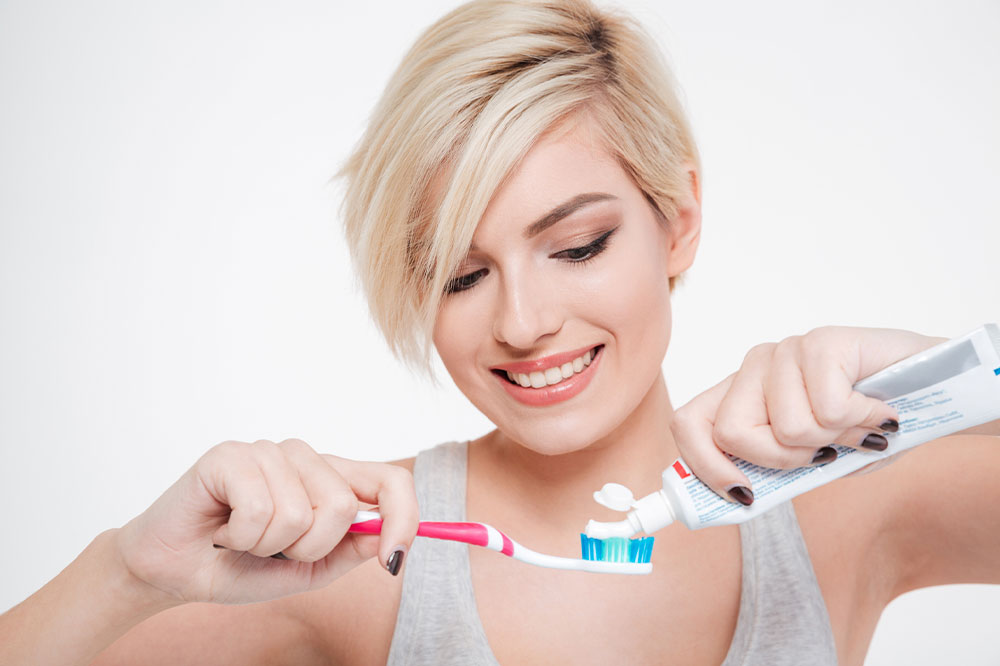
Tips for choosing the best toothpaste
Getting a bright, healthy smile starts with choosing the perfect toothpaste. Picking the right one requires careful consideration of factors such as toothpaste ingredients, flavors per one’s preferences, and the abrasiveness if one has sensitive teeth. One should also consider the price. So, here are a few tips for making the right choice:
Look for the ADA Seal of Acceptance: The ADA Seal of Acceptance indicates that the toothpaste has been checked for safety and effectiveness in preventing, controlling, and maintaining healthy gums, teeth, and other parts of the mouth. So, with the ADA seal, one can be assured that the toothpaste meets the criteria and trust the safety standards of the product.
Compare prices : One should look up each option on the market and consider checking customer reviews for the brand and the toothpaste to make an informed decision. Comparing prices can help one save money and get the most affordable yet effective product.
Check the ingredients: For optimal cavity prevention, one should opt for fluoride-based toothpaste. When shopping for whitening products, check the labels and avoid anything with artificial flavors, colors, or other additives. One may also watch out for Cocamidopropyl betaine (CAPB) and propylene glycol, which can trigger allergic reactions in some people.
Benefits of whitening toothpaste
Whitening toothpaste is the quickest and most affordable method to address teeth discoloration brought on by coffee, tea, and food stains. Here are other benefits of whitening toothpaste:
Strengthens enamel: A good toothpaste helps brighten the teeth and improve overall oral health. Additionally, whitening toothpaste can strengthen the enamel (the outermost layer of the teeth), helping protect the tooth surface against discoloration. A good toothpaste can also remove plaque buildup without irritating gums or soft tissues in the mouth. Further, it may help reduce teeth sensitivity, making it a versatile solution for many dental concerns.
Tackles staining: While regular toothpaste helps keep the teeth clean and healthy, whitening toothpaste is designed to remove stubborn surface stains from beverages like coffee and tea or foods like berries or tomato sauce. Unlike harsh whitening products, the abrasives in whitening toothpaste (calcium carbonate and calcium pyrophosphate) gently lift teeth stains away. Additionally, such toothpaste can also freshen the breath by fighting bad breath germs.
Boosts confidence: Having a brighter, whiter smile can boost one’s confidence and sense of pride regarding appearance. After all, who wouldn’t want pearly white teeth?
Top picks
Finding the right toothpaste involves consideration of factors like key ingredients, price, and customer reviews. The best toothpaste is one that contains optimal levels of abrasives, as a high abrasive concentration can result in the enamel wearing off and weakened teeth. Here are some of the best options for teeth whitening:
Colgate Optic White: The American Dental Association (ADA) has awarded this toothpaste its seal of approval. Unlike many other whitening products, Colgate Optic White targets extrinsic and intrinsic stains. Extrinsic stains develop on the enamel due to staining foods. On the other hand, intrinsic stains form in the mouth over time when extrinsic stains move beyond the enamel to discolor the dentin (inner tooth layer).
Colgate Optic White Renewal: The toothpaste offers professional-level whitening power with its unique blend of hydrogen peroxide and natural enzymes. It works to remove surface stains and penetrates to help make teeth four shades whiter. With this toothpaste, users can notice results in just one week and professional-level whitening in 4 weeks. The toothpaste is also enamel-safe and helps protect against cavities.
Tom’s of Maine Simply White Natural Toothpaste: This is the perfect choice for ensuring one’s teeth remain healthy and white. One of its ingredients is aloe vera, which has antibacterial and anti-inflammatory properties to scrub away teeth stains. Additionally, the toothpaste does not contain artificial colors and sweeteners, making it safe for sensitive teeth. Moreover, the natural ingredients in this toothpaste work together to provide a gentle yet effective cleanup.
Sensodyne ProNamel Gentle Whitening Toothpaste: Maintaining a healthy, white smile is easy using this gentle whitening paste. It is safe for daily use and helps strengthen enamel while providing mild whitening, thanks to the silica particles that gently scrape away stains. Additionally, the toothpaste offers cavity protection and fights acid erosion caused by certain foods or drinks.
Arm & Hammer Advance White Extreme Whitening Toothpaste: This toothpaste combines natural whitening ingredients and advanced strengthening elements to offer brightness while reducing teeth sensitivity. Its unique blend of baking soda, peroxide, peppermint extract, and lemon works to deeply penetrate the enamel to provide exceptional teeth-whitening effects that one can observe in a couple of weeks.
Crest Charcoal 3D White Whitening Therapy Toothpaste: Unlike traditional whitening toothpaste, the Crest paste uses charcoal to break up and remove tough stains on teeth brought on by coffee intake. The toothpaste also helps fight cavities and strengthen teeth with its fluoride formula. Further, it is formulated to help remove tartar buildup—a calcified deposit that decays teeth—that can cause gum disease.
Burt’s Bees Charcoal + Whitening Mountain Mint Toothpaste with Fluoride: Burt’s Bees is an excellent choice if one is looking for a toothpaste that packs a punch. Its unique formula consists of activated charcoal, known for its ability to absorb toxins from teeth and provide deep cleaning. It helps keep the teeth healthy and strong through its fluoride formula. Moreover, its minty taste will leave you feeling refreshed throughout the day.
So, finding a toothpaste that works for one’s oral needs is important. Looking up the toothpaste’s ingredients, price, and usage instructions is a crucial first step. Additionally, one must check the user reviews and speak to their dentist to pick the best teeth-whitening solution.
You May Also Like

8 helpful tips for choosing the right anti-aging products
With an overwhelming range of anti-aging products available in the market, how do you know which ones will improve your skin’s appearance? You must first understand what ingredients work best for different skin types and conditions to reduce wrinkles. For example, you may consider factors like price, product labels, and conducting product patch tests to compare different products. This blog discusses eight valuable tips to help you choose anti-aging products that suit your needs.
What are anti-aging products?
Anti-aging products include a range of face wash, body wash, toners, serums, moisturizers, body lotions, etc., that help alleviate the physical signs of aging from your body.
Anti-aging products are essential to any skincare routine. They are designed to reduce facial wrinkles and improve the appearance of fine lines on the face and neck. These products often contain various natural oils and vitamins, like retinol and collagen, that help keep skin looking younger and refreshed throughout the day.
While anti-aging products can’t stop your skin from aging, they can help protect it from further damage by imparting hydration to delicate facial areas. Whether dry or oily skin, an anti-aging product is available to meet your needs.
Eight tips for picking the best anti-aging products
Pick a sunscreen
Common skin aging signs are wrinkles, sun spots, and fine lines. They are caused by dehydrated skin and prolonged sun exposure. To avoid this, apply sunscreen on the skin, even at home. Ensure the following conditions when selecting sunscreen:
- Look for an SPF (sun protection factor) of 30 or higher for protection against UVA and UVB rays (which may cause sunburn).
- Avoid sunscreens that contain artificial fragrances, harsh chemicals (like PFOA and acrylamide), alcohol, or preservatives (like parabens) if you have sensitive skin.
Recognize your primary concern
You should combat one anti-aging concern at a time. These concerns may range from wrinkles to inelastic skin, rough skin, and dull skin. However, no single product can address all signs of aging. Additionally, multiple products designed to address different issues simultaneously can cause more significant damage than benefits. Therefore, examining your skin type, understanding your concern, and choosing your product is necessary to avoid any side effects.
Choose a retinol-based cream
Retinoids are a compound derived from vitamin A. Vitamin A is a powerful antioxidant that helps stimulate collagen production and elastin support resulting in brighter, smoother, younger-looking skin.
Depending on your skin type, choose between retinol cream and serum. While creams are better suited for dry skin, serums are effective for reducing excess oil, opening skin pores, and treating wrinkles and acne.
Read product labels
Choose a product that mentions the following on its package label:
- Hypoallergenic (the commodity can still cause an allergic reaction, but there is less risk).
- Non-acnegenic or non-comedogenic (it does not cause acne).
- Customer service hotline (you can ask for queries).
Conducting a patch test
Before you apply a product to your face, make sure to do a patch test. This is an easy and effective way of knowing if it’s suitable for your skin. If you notice no visible side effects, it’s safe to use.
Price
Although branded products usually assure the highest-quality ingredients and results, they may be too expensive. Therefore, you must keep your budget in mind while selecting the right anti-aging product because cheaper, more effective alternatives are also available.
Skin type
Dry, acne-prone, sensitive, oily, and combination skin have different needs and must select suitable product formulas accordingly. For example, if you have dry skin, you must focus on creams that moisturize and nourish deep within the layers of the epidermis. On the other hand, combination skin may benefit from moisturizers with essential body oils.
Drop unrealistic expectations
Anti-aging skin care products, while helpful in slowing down the signs of aging, cannot deliver drastic results. Unfortunately, those too-good-to-be-true promises of looking ten years younger in one week or getting facelift-like results are false.
Essential ingredients to look for in anti-aging products
Antioxidants
Antioxidants are one of the key ingredients in anti-aging products because they help to protect the skin from free radical damage. Free radicals are unstable molecules that can damage cells and cause premature aging. Antioxidants help to neutralize free radicals and prevent them from causing damage. Antioxidants may also reduce inflammation, enabling the skin to regenerate and mend some damage.
There are many antioxidants, but some of the most common ones used in anti-aging products include vitamin C, E, and green tea extract.
Argireline
This peptide calms the muscles around wrinkles and fine lines, reducing their appearance. It helps prevent skin sagging, giving a more youthful look overall. This powerful compound may heal the skin over time by encouraging collagen production, improving elasticity, and delivering antioxidants. It also protects your skin against aging-related environmental stressors, like sun exposure and pollution.
Collagen
Collagen is the most abundant protein in our bodies, making up about 30% of the total protein amount. It’s what gives our skin strength and elasticity. Unfortunately, as we age, collagen production slows down, and we start to see aging signs like wrinkles and sagging skin. That’s why many people turn to anti-aging products containing collagen, hoping to turn back the clock. Moreover, many people notice effective results after a few uses.
Hydroxy acids
Hydroxy acids are a compound that effectively reduces the appearance of wrinkles and fine lines. They can be found in many anti-aging products, including serums, creams, and masks. These compounds work by increasing the production of collagen, helping keep skin looking firm and young. Hydroxy acids are also effective at exfoliating the skin, which may help brighten the skin complexion and reduce the appearance of age spots (small, dark skin spots).
Wrapping up
The bottom line is that there is no magic solution regarding anti-aging products. However, following the tips mentioned above, you can stack the odds in your favor of finding products that work well for you and help you look and feel the best. Thus, take your time, research, and be bold and experiment until you find a routine that works for you.

Have these 14 foods to manage macular degeneration
Macular degeneration is an eye condition that causes changes in the macula, leading to vision loss. Though there is no cure for this condition, following an eye-healthy meal plan is important in managing complications like vision loss. A nutritional regime for age-related macular degeneration should include healthy amounts of vitamins, minerals, and other nutrients. Some foods that contain eye-healthy vitamins that help manage symptoms of macular degeneration are listed below.
Macular degeneration
Age-related macular degeneration is a primary cause of vision loss among people aged 55 years and above. The condition refers to the deterioration of the central part of the retina called the macula. Symptoms include blurry vision, blind spots, difficulty recognizing faces, visual distortions, and more. Studies indicate that nearly 20 million people in the country live with some form of age-related macular degeneration. This condition occurs in two forms- the dry and the wet form. The dry type occurs when the macula gets thinner with age. This condition gradually progresses over the years. The dry form can advance into the wet type when abnormal blood vessels develop in the back of the eye and harm the macula. The wet type of AMD usually accelerates vision loss.
Leafy green veggies
Dark-green, leafy vegetables are rich in beta-carotene and carotenoids such as lutein and zeaxanthin. Including leafy vegetables such as spinach, kale, and collard greens in your meal plan can increase the pigment density in the macula and potentially slow down age-related macular degeneration (AMD). Also, keep up a healthy intake of cruciferous vegetables such as cauliflower, broccoli, and cabbage, all excellent sources of essential vitamins.
Colorful vegetables
Colorful vegetables such as carrots, red and yellow pepper, pumpkin, and tomato contain carotenoids that contain essential vitamins for the eyes, such as lutein and zeaxanthin. To manage macular degeneration, include all these colorful and eye-healthy veggies on your plate.
Fatty fish
Individuals diagnosed with macular degeneration are advised to add fatty fish such as salmon, tuna, sardine, mackerel, and herring to their meal plan, as these fish contain anti-inflammatory properties that can slow down the advancement of this eye condition. In addition, fatty fish contains high omega-3 fatty acids that can help lower cholesterol, which is also linked to macular degeneration.
Eggs
Meals high in lutein and zeaxanthin may also help decrease the risk of AMD’s progression. Egg yolk has a high concentration of lutein and zeaxanthin that can protect the cells in the macular area.
Citrus fruits
People with AMD should include vitamin C-rich foods in their nutritional regime to slow the condition’s progression. Vitamin C helps build collagen that promotes healthy blood vessels in the eyes. Citrus fruits such as oranges, peaches, and kiwis deliver a good amount of vitamin C.
Beans and legumes
Beans and legumes such as chickpeas, kidney beans, and black-eyed peas are high in zinc, a trace mineral essential for eye health. Zinc helps the body absorb the vitamin A needed to protect the eyes from the damaging effects of light.
Seeds
Seeds contain vitamin E and omega-3 fatty acids essential to regulate cellular functions. You can eat sunflower seeds, chia seeds, or flax seeds as a snack or add a spoonful to salads or smoothies for managing vision problems such as macular degeneration.
Nuts
Consuming nuts can also help individuals with mild macular degeneration avoid developing advanced macular degeneration. Almonds, hazelnuts, peanuts, and walnuts are rich sources of vitamin E, an antioxidant that can combat a wide range of vision problems. Eating a handful of nuts daily is highly recommended to prevent AMD from worsening.
Oysters
Seafood choices, mainly oyster, is one of the best nutrient-rich sources of zinc and can slow the progression of macular degeneration. Avoid grilling or baking shellfish, as doing so can reduce their zinc levels. Instead, steam, boil, or poach oysters to retain their zinc levels.
Sweet potatoes
Regular intake of sweet potatoes is great for the overall health of your eyes. Sweet potatoes are high in vitamin A and beta-carotene, which are known to improve night vision.
Avocado
The nutrients in avocados are beneficial for protecting your eyes from poor vision. This green fruit is loaded with vitamins C, E, beta carotene, and lutein, making it a must-have food for individuals with low vision. You can have sliced avocado for breakfast or add it to salads, dips, soups, or sandwiches.
Whole grains
Whole grains are good sources of zinc, an essential nutrient for regulating cellular functions. People with macular degeneration tend to have low levels of zinc. Eating more foods that contain zinc can reduce the risk of advanced AMD. Add whole grains such as brown rice, quinoa, and barley to your meal plan.
Brussels sprouts
Brussels sprouts are an excellent vegan alternative for omega-3 fatty acids. This little green vegetable contains two essential antioxidants—lutein and zeaxanthin. Make sure to add this vegetable to your meals to support the macular health of your eyes.
Lean meat and poultry
Lean meat and poultry such as beef, turkey, and chicken provide zinc, vitamin A, and other vital minerals for eye health. These nutrients in lean meat help nourish the retina and are healthy nutritional options for people with low vision. However, lean meat has to be consumed in moderate amounts and as part of a varied nutritional regime.
To reap the benefits of these superfoods, one must include them in the meal plan at least three to four times a week. Besides consuming a meal with the right vitamins and nutrients, avoiding foods high in saturated fats and sugar is extremely important. The food you eat plays a significant role in your eye health; therefore, it is essential to have a well-balanced and healthy meal plan containing foods that can help manage the symptoms associated with macular degeneration. However, it is also important to seek the advice of a nutritional expert before making changes to your meal plan if you are experiencing any other underlying health conditions.

Ways to Decode Canine Communication with Humans
Humans tend to rely on verbal modes when communicating with each other. On the other hand, dogs communicate primarily via body language and secondarily through vocalizations. While having a dog whisperer would take the guesswork out of the situation, understanding inter-species communication is not as straightforward. Therefore, when deciphering what is being communicated, you must observe the entire dog (tail carriage/motion, facial expressions, body position, etc.) and the situation or context.
Looking for non-verbal cues:
Since dogs cannot vocalize their feelings, they may use the following non-verbal cues for our benefit:
Tail
Tail wagging is the most obvious sign to observe. However, it may not always mean the dog is happy, friendly, or excited. Remember to look for other cues to understand their mood. Here are some general tail motions that can help decipher how your dog is feeling:
- A curled tail could be a relaxation, confidence, or dominance stance.
- A straight, stiff tail generally signals that the dog is focused on an activity or tracking something.
- A tucked or lowered tail is a sign of fear or submission.
Ears
Isn’t it adorable watching a dog’s ears perk up? Their ears are also an important part of communication! Perky ears are generally a sign of interest and focus, while floppy ears are a sign of submission. Ears pinned towards the back of the head could indicate that the dog is unhappy or uncomfortable.
Eyes
Just like humans, dogs also use their eyes to communicate. When receiving a belly rub or a pat, dogs close their eyes in pleasure or delight. Seeing the whites of a dog’s eyes indicates they are on high alert and want space. An unblinking dog may be taking an aggressive stance or just staring at you for attention. Remember to read the context before assuming what dogs are trying to communicate with you.
Mouth
You can tell the dog’s mood by looking at their mouths. Some dogs smile wide with their ears forward, relaxed eyes, and big open mouths with their tongues out when they are happy. When a dog bares their teeth, it may indicate they are unhappy, scared, or aggressive.
Dogs also use licking to convey emotions, including affection, submissiveness, excitement, and stress. Generally, licking their guardians or engaging in mutual grooming activities is a sign of affection and love. However, excessively licking themselves may be related to an underlying cause such as fleas, ticks, or allergies.
Understanding their language groups of communication
Here are the five most common groups of communication dogs may use:
Fear
Dogs react to fearful situations with their whole body. The intensity of these reactions may increase as the situation progresses. They may lick their lips or yawn even though they are not tired or hungry. Alternatively, they may keep their mouths tightly closed. Some dogs may also cower and tuck their tails between their legs. They may show signals similar to a panic attack in humans – they may shake, tremble, or avoid eye contact. In some dogs, fear may manifest as a lack of responsiveness; for instance, they may not eat food or treats or engage with people passing their kennel.
Experiencing fear or threat for a prolonged time may also compel some dogs to turn aggressive.
Arousal
Some dogs exhibit excitement and arousal as well. This may be because of age, confinement, lack of physical and mental outlets, or their personality. The most common behaviors of excited dogs are jumping, mounting, or mouthing. This response is often instigated when dogs see something they like – a person, a toy, or even another dog. For example, a dog with a soft, relaxed body and a wagging tail may jump up for attention when they see someone they like. They may also play-bow around something they like as a way of engaging.
You may also notice arousal behaviors around negative stimuli, such as an unwanted person, animal, or situation. Here, the excitement response is often coupled with the communication they commonly use for expressing fear, such as a burrowed tail or trembling.
Anxiety
Dogs show their anxiety by panting excessively, pacing, and lacking focus. They may also showcase similar traits as fearful dogs. Anxious dogs may also wag their tails slowly and move away from people. They may shed or drool heavily. Some anxious dogs may ‘shut down’ and stop showing any behaviors, while others may demonstrate arousal behaviors due to stress or anxiety. When living inside a kennel, an anxious dog may be constantly barking, pacing, circling the area, or jumping off the side walls.
Aggression
Aggressive behavior in dogs is generally triggered by a perceived threat, such as another dog, human, or situation. This is generally exhibited as a protective mechanism to convey that the dog will protect itself and its territory. Common aggressive body language in dogs includes stiffening or freezing of the body, wide eyes with a lot of white showing, tense mouth, curled lips, wrinkled nose, teeth showing, barking, growling, and air snapping.
Relaxation
Relaxed dogs are perhaps everyone’s favorites. Their mouths are relaxed and may slightly turn up at the corners to give the appearance of a smile. Their head and ears are neutral, and they have soft eyes. Their body is loose and stress-free, and their tail may wag back and forth or in a circular motion.
Pets are an important part of our lives. Whether we understand their non-verbal cues entirely or not, protecting them and keeping them safe is important. To do so, you can consider installing an in-ground fence (an underground or wired fence). With simple installation and no physical fence upkeep, these fences can help you establish a boundary for your pup and protect them from traffic, strangers, and other dangers outside your home!

11 management options to keep anxiety at bay
People with anxiety disorders regularly and excessively experience fear and panic in everyday situations. If unchecked, anxiety can impair normal functioning and degrade the quality of life. One must consult a health expert if anxiety is affecting their social life. But first, ensure that any physical health issues are ruled out before consulting them. Most individuals with anxiety disorders need medication or therapy, but coping strategies and lifestyle decisions can also be helpful.
Stop and take a breath
When you experience an anxiety episode, take a moment to think about what is making you feel uneasy. Usual anxiety symptoms include concerns about a recent or distant event. For example, you can worry that something wrong will happen to you in the future. Or, you can still be upset about something that has already happened in the past. But, whatever your concerns, most anxiety issues stem from not focusing on the present. The next time you feel nervous and get distracted from the present moment, sit down and take some deep breaths to reclaim your composure. You can regain balance and return to the present moment by pausing and taking a few deep breaths. If you have the time, consider advancing this practice by experimenting with breathing techniques.
Noting down your triggers
One must identify what’s upsetting them to address the underlying cause of their anxiety. One can achieve it by setting aside time to assess your emotions and thoughts. Journaling is a fantastic method to connect with your anxiety triggers. Keep a diary or notepad beside your bed if your anxiety-related thoughts keep you awake at night. You can note down all the issues troubling you. Another technique to identify and understand your nervous feelings is speaking with a friend.
Consider the things you can change
Worrying about things or incidents that are yet to occur or might never occur can often lead to anxiety. For instance, even if everything is fine, you could still be concerned about unnecessary concerns such as losing your job, falling sick, or ensuring the security of your loved ones. Understanding the fact that life can be unexpected and you cannot constantly regulate what happens is vital. You can, though, choose how you will approach the unknowable. By letting go of anxiety and channeling your attention toward gratitude, you can transform your worries into a power source. Change your perspective on your fears to get rid of them.
Look for distractions
Sometimes, wilfully distracting yourself from your fears can be most beneficial. You can do so by helping others, performing housework, indulging in a fun activity or hobby like music, watching movies/shows, and more.
Learn to recognize and control your triggers
One can identify triggers either on your own or through a counselor. It may take time to pinpoint a long-term problem, such as financial difficulties or the workplace environment (deadlines, relations with colleagues, or any specific incident). Again, this can require some additional help through therapy or with colleagues. Limit your exposure once you’ve discovered your trigger. However, alternative coping strategies can be helpful if you cannot lessen it, for instance, if a challenging workplace triggers your trigger. Still, you are unable to move away immediately.
Implement cognitive behavioral therapy
Cognitive behavioral therapy (CBT) teaches people various ways to perceive and react to anxiety-triggering situations. With a therapist’s assistance, CBT teaches you to change negative thoughts through new habits and actions before they spiral into serious complications.
Socializing
Each person is unique, and not everyone experiences anxiety, but regularly spending time with loved ones can help one regulate anxiety levels if they experience such bouts. Social interactions mitigate loneliness, reduce stress, and encourage laughter and a sense of community. In addition, research shows social interaction can eventually increase your tolerance to stress.
Making changes to lifestyle habits
Lifestyle changes can also be beneficial in reducing anxiety and helping you cope with anxiety-related attacks. For example, your degree of physical exercise, the amount of rest you get, and what you eat affect your anxiety levels. Research indicates that food habits can impact mood or stress factors. For instance, those who eat foods high in vegetables and fruits usually have reduced stress levels. Your mental health and stress levels can both be significantly impacted by sleep. Research suggests that one potential cause for anxiety disorders, including generalized anxiety disorder, is sleep issues. An increase in tension and anxiety can result from even brief sleep disturbances.
Understand your condition
Consulting a healthcare professional will help a person discover what triggers their condition and the type of therapies that may be appropriate for managing it. Invite your loved ones and friends and solicit their assistance while seeking professional help.
Enquire about prescriptions with your doctor
If your anxiety becomes alarming and prompts a mental health practitioner to think you may benefit from prescription treatment, there are several ways to approach this method based on your symptoms. However, discuss your concerns with your doctor before opting for any prescription therapy.
Make changes to your nutritional regime
Nutritional changes and the use of supplements are long-term solutions to managing anxiety. Research indicates that regular intake of vitamins and nutrients can reduce anxiety levels in people. Lemon balm, green tea, and kava are a few items you can fit into your meal plan. It may take a few months to notice the benefits provided by these food choices. However, be careful while opting for herbal remedies, as they may involve side effects.
Most individuals occasionally experience episodes of anxiety. During such times, one can try breathing techniques, journaling, finding diversions, and taking overall care of yourself. Anxiety can also indicate an underlying mental health disorder when they interfere with social relationships, work productivity, and other aspects of life. Speak to your physician or a mental health expert if you regularly feel anxious or panicky. They’ll be able to answer your queries, explain the diagnosis, and walk you through possible treatment options.
Chronic Kidney Disease – Foods to Eat
If your kidneys are damaged, and their ability to filter waste from the blood reduces, you will probably be diagnosed with chronic kidney disease or CKD. The accumulation of waste as a consequence of this health impairment can crease several complications, including high blood pressure, weak bones, nerve damage, anemia, and malnutrition. Chronic kidney disease tends to increase the risk of other conditions related to the heart and blood vessels.
Early detection and treatment can help slow the deterioration, but no cure exists. Thus, it is essential to acquire a good quality of life and prevent permanent kidney failure, which will necessitate dialysis or kidney transplants.
How to manage chronic kidney disease?
The choice of treatment depends on the progression of chronic kidney disease, associated health problems, and current lifestyle. Prescription treatment typically helps to control comorbid conditions like high blood pressure, high cholesterol, vitamin K build-up, water retention, and diabetes, among others. A nephrologist is likely to recommend a combination of options: lifestyle changes, prescription treatments for associated problems, and in later stages, dialysis or transplants.
Lifestyle changes for chronic kidney disease
A doctor is also likely to recommend changes in your style of living. You can damage muscles and bones during the course of the illness, and hence exercising is vital. Ideally, you must get at least 150 minutes of exercise a week. During flare-ups, exercise is not possible, so you can opt for physiotherapy or electrical stimulation to strengthen the muscles. Further, salt can also become problematic – the ideal amount of one teaspoon daily is about 6 grams. Additionally, you must avoid non-steroidal anti-inflammatory drugs (NSAIDs – like ibuprofen) and use alternatives instead. Apart from these, food modifications can help reduce the progression of chronic kidney disease.
Foods for chronic kidney disease
Restrictions in food items vary based on the level of kidney damage, and a “renal diet” is usually recommended. Such meal plans boost kidney function and prevent further damage. You must restrict three nutrients – sodium, potassium, and phosphorus – since the damaged kidneys lose the ability to filter out excess of these substances efficiently. When kidney damage is in stage 5, the need for protein increases. The following five foods boost kidney function and help you manage chronic kidney disease.
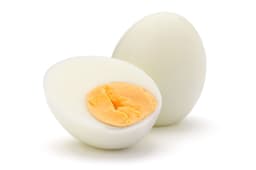
Egg whites
Egg yolks are incredibly nutritious. However, they contain high levels of phosphorus. It means that egg whites are a better choice as a kidney-friendly source of protein. Two large egg whites have only 10mg of phosphorus and hence are an excellent choice for those undergoing dialysis.
Strawberries
This sweet treat, with or without chocolate, is perfect for those with chronic kidney disease. It is a delicious snack that is low in potassium and gentle on the tongue. The berry is also rich in vitamin C, manganese, and fiber. Antioxidants also help reduce the risk of heart conditions.
Garlic
When certain foods are restricted, spices become your best friend. With anti-inflammatory properties, garlic is an aromatic and tasty ingredient that adds flavor to your food and helps manage kidney health. It can act as an alternative to salt, which needs to be limited when you have renal problems. It also contains vitamins B and C and minerals like potassium, phosphorus, and manganese.
Cauliflower
Raw, steamed, or as soup, cauliflower is a delicious and excellent crucifer to help boost your health. The vegetable contains vitamins B, C, and K and is a kidney-friendly alternative to potatoes. Cauliflower is an excellent source of fiber and also possesses anti-inflammatory properties. Additionally, it has minimal quantities of potassium.
Sea Bass
A high-quality source of protein is sea bass. It has omega-3 fatty acids and is low in phosphorus content. It has the capacity to decrease the risk of cognitive decline and anxiety and reduces inflammation. It is imperative, however, not to overeat since excess of this fish can increase potassium levels in the blood, making it harder for the kidney to function.
Tips for managing kidney disease
Opt for low-sodium foods
Controlling blood pressure is necessary for individuals with chronic kidney disease. It is best to prepare your own food since packaged, processed foods contain more salt to preserve it for longer. Try to use spices, herbs, and sodium-free seasoning. Remember to rinse canned vegetables well and strain them since they contain excess salt. Look for alternative foods labeled as “sodium-free” or “lightly salted.” Make sure to read the labels. It is best to avoid taking more than a daily value of over 20%.
Eat the right kind and amount of protein
Protein metabolism produces byproducts that the kidney needs to work hard to remove. So it is better to choose the right combination of proteins. You can pick between fish, chicken, eggs, beans, nuts, grains, or dairy products like yogurt or cheese.
Eat heart-friendly foods
Unfortunately, chronic kidney disease often brings along heart complications. It means you must try hard to keep fat from accumulating in your blood vessels. Stick to boiling, steaming, or baking your food instead of frying it. Trim meat, use olive oil instead of butter, and avoid transfats.
Choose low-phosphorus foods
As discussed above, preventing the build-up of phosphorus in the blood is critical. This mineral causes the breaking down of calcium from the bones, leaving them vulnerable to fractures. High phosphorus levels can also cause itchy skin and bone and joint pain.
Reduce potassium intake
Potassium build-up due to chronic kidney disease affects the nerves and muscles. This mineral has the potential to affect the heart too. Salt substitutes are typically high in potassium. Additionally, some prescription options may increase blood potassium levels and hence may need to be adjusted. Remember always to check the labels of your food. If you need clarification, consult a nutritionist for a CKD-friendly meal plan.