
9 Foods to Eat to Manage Depression
With depression affecting millions worldwide, understanding the potential of food as a complementary approach to managing the condition has become increasingly important. While no magic food can instantly cure the condition, scientific studies suggest that including specific nutrients and certain foods in one’s daily intake can help manage and alleviate its symptoms. One should remember that these are merely complementary and must not replace treatment for Major Depressive Disorder (MDD).
Foods that help manage depression
Here are some foods identified by various studies as natural allies to manage depression:
- Dark leafy greens
Dark leafy greens prevent inflammation, which has been linked to severe depression and brain inflammation. Due to their abundance of minerals, phytochemicals, and vitamins A, C, E, and K, leafy greens are particularly crucial. This nutrient-dense food group, which includes spinach, kale, Swiss chard, and broccoli, helps strengthen the immune system and stop the growth of malignant cells in the body. Because they are so versatile, dark leafy greens can be included in all sorts of meals, such as salads, smoothies, soups, or doughs. One can eat them raw in salads, sauté them in olive oil and garlic, mix them with other veggies like corn and bell peppers, or even add them to smoothies with bananas or other fruits for a drink filled with nutrients. - Walnuts
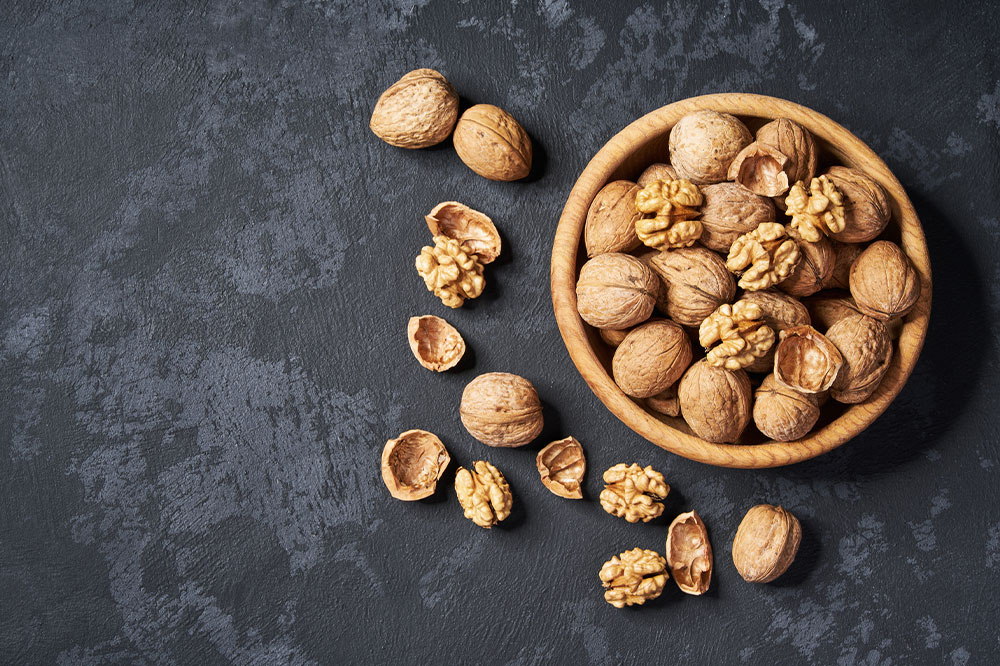
Studies have shown that omega-3 fatty acids support brain function and lower the risk of depression symptoms. Most nuts, particularly walnuts, are rich in polyunsaturated fats, including the crucial omega-3 fatty acids. The presence of omega-3 fatty acids, antioxidants, and other nutrients in walnuts is believed to boost energy levels and concentration, fight oxidative stress in the body, and contribute positively to one’s mental health. One can eat a handful of walnuts in a day as a snack. While nuts are generally considered a healthy addition to most diets, there are a few groups of people who should exercise moderation in their nut consumption. Those allergic to them, older people, or young children with weaker digestive systems can exercise caution since nuts are more difficult to digest than fruits and vegetables. One can consult a doctor on the ideal quantity for one’s health needs. - Avocados
Avocados are a superfood for the brain. This versatile food contains healthy fats, especially oleic acid. Protein, vitamin K, vitamin B9, vitamin B6, vitamin B5, vitamin C, and vitamin E12 are all present in avocados, which should be had daily. Due to their high fiber and low sugar content, avocados can support healthy brain function. They are a delicious and nutritious addition to salads. - Berries
Berries are one of the richest sources of antioxidants and vitamin C, which is associated with a reduced risk of depression. Apart from helping to fight depression, these nutrient-dense foods can also significantly help improve cell health, protect against age-related cognitive decline, and contribute positively to one’s skin health. Common berries include blueberries, strawberries, and raspberries. - Mushrooms
Studies have also shown that intestinal health can affect mood since the nerve cells in the gut are responsible for producing the crucial neurotransmitter serotonin. Mushrooms are superfoods that maintain the balance of one’s gut bacteria by acting like probiotics. Alternatively, these superfoods have chemical components that balance mood and work to control blood sugar levels, which can be beneficial for individuals with diabetes. Mushrooms are easy to cook and can be eaten in salads, omelets, or a number of other home-cooked meals. - Yogurt
Besides mushrooms, one can also go for kefir or yogurt as rich probiotic alternatives that promote gut health. One should eat unsweetened natural yogurt to get maximum benefits and avoid unnecessary sugar intake that may further complicate one’s condition. - Beans
Beans provide a number of advantages, including a high fiber content that helps maintain mood. Beans are a good option for people looking to stabilize their mood since they are digested slowly, reduce cravings for processed grains like bread and help to control blood sugar levels. Beans may be included in meals as a delicious carbohydrate alternative. - Fish, tofu, and milk
Vitamin D is an extremely important nutrient that fulfills and supports various body functions, including bone health, immune function, and mental well-being. While sunlight is a natural source of vitamin D, foods like tofu, fish, and milk can also provide this essential vitamin. Tofu, a soy-based product, is suitable for vegan eaters, while milk should only be consumed by those who are not lactose intolerant. Sometimes, vitamin D from food alone may not meet one’s body’s demands. In this case, one should consult a healthcare professional to determine specific requirements and oral treatments to boost one’s vitamin D levels. - Cacao
A minimum of 85% cacao in dark chocolate offers multiple health benefits to individuals, especially women battling depression. It contains flavanols that naturally stabilize one’s mood and boost memory and immunity. Apart from being a delicious snack, it is also anti-inflammatory and has been shown to reduce depression symptoms. One should avoid store-bought chocolates since they mainly contain sugar and little cacao. To ensure one eats the right chocolate, one can check a product’s labels and do research before buying the best dark chocolate.
Diagnosis of depression
Testing to determine whether or not one is exhibiting depressive symptoms is the first stage in diagnosing depression. One can find numerous science-backed and healthcare professional-recommended self-assessment tests online, with questionnaires that try to understand an individual’s body and mind. If one shows signs of depression, one can also visit a doctor directly, who will take a series of tests, from questionnaires and conversational sessions to blood tests that may detect any existing deficiencies. Often, depression is a side effect of certain nutrient deficiencies or underlying health conditions. Hence, these tests also help a professional rule out other illnesses and begin therapies to treat chronic depression if it is diagnosed.
Treatment options
Vraylar is an effective treatment option for Major Depressive Disorder (MDD) and other mental conditions, including schizophrenia and bipolar disorder. The cost of the treatment may vary depending on an individual’s needs and the doctor’s recommendations. Apart from that, it may also be recommended to take other oral treatments, physical exercises, and complementary therapies, including acupuncture, yoga, and meditation. One is advised to detail one’s symptoms honestly to one’s healthcare professional to ensure that the treatment received is accurate and effective.
You May Also Like

Lupus – Types and Warning Signs
The immune system is responsible for protecting the body against infection and diseases. Sometimes, this system malfunctions and attacks healthy cells and tissues, causing diseases in one or many body parts. Such diseases are called autoimmune diseases. Lupus is an example of an autoimmune disease that can affect people of all ages, with women at a higher risk than men. This post closely examines what lupus is, its types, and its symptoms.
What is lupus?
Lupus is a chronic autoimmune disease where a person’s immune system mistakes healthy cells for invaders. It then creates antibodies to attack the healthy cells and tissues, causing inflammation and pain in different body parts, including the skin, joints, muscles, and internal organs. Lupus can be mild to severe and, in some cases, life-threatening.
Patients with lupus may see phases when they are very ill and phases where they feel better. The symptoms can be managed with treatment, and patients diagnosed with the disease can lead a full life.
Different types of lupus
The signs and remedies may vary from one person to another based on the type of lupus that affects them. The following are a few common types one should know:
Systemic lupus erythematosus (SLE)
SLE is the most severe and most common form of lupus. It can affect a person’s health in many ways. For instance, SLE can cause inflammation of the kidney that damages the organ; inflammation in the nervous system and brain that causes headaches, strokes, memory problems, and confusion; inflammation in the blood vessels of the brain that leads to seizures, changes in behavior, and high fever, coronary artery disease that could increase the risk of a heart attack; and pulmonary hypertension.
SLE is difficult to diagnose as its symptoms mimic those of other benign diseases. Doctors use a combination of diagnostic tools, such as a physical examination, blood and urine examinations, and imaging tests, to rule out other ailments and identify SLE. If a person complains of kidney or skin issues, doctors may also perform a kidney and skin tissue biopsy to ascertain the cause.
Cutaneous lupus erythematosus (CLE)
This type of lupus affects the skin, causing lesions and sores. The lesions are red, scaly, and raised and shaped like discs. Some may develop rashes on their cheeks, nose, face, scalp, mouth, nose, private parts, and areas exposed to sunlight. People with cutaneous lupus may go on to develop SLE.
Neonatal lupus (NL)
It is a rare type that affects infants if the mother has lupus. The child may have liver problems, rashes, or low blood cell counts at birth. All the symptoms disappear within a few months after birth, and the child usually lives a healthy and normal life. Doctors can now diagnose neonatal lupus and treat the child before or after delivery with proper screening and testing.
Treatment -induced lupus erythematosus
Some treatments may cause lupus with symptoms similar to SLE. The signs and impact of this condition usually disappear once doctors discontinue the treatment.
Early signs and symptoms of lupus
The condition’s manifestation varies from person to person. While some may experience a single symptom like a rash, others may develop multiple discomforts like rash, hair loss, and chest pain. The frequency of symptoms also differs from one person to another. Sometimes, the signs appear and disappear in phases, with episodes of flare-ups and periods of remission. The most commonly occurring early signs and symptoms of lupus include:
Off and on low-grade fever
Fever with temperatures between 36.9 degrees F and 38.3 degrees F that keep reoccurring without an apparent cause is one of the early symptoms of the disease. Since the fever is not very high and does not impact the patient in any way, many ignore it. This is a mistake, as recurrent low-grade fever can result from infection or inflammation associated with lupus.
Joint and muscle pain
Inflammation in the muscles and joints can cause stiffness and pain. The condition can affect any joint, especially the upper arms, neck, thigh, and shoulder. This symptom can prevent one from performing physical activities and exercise.
Skin rashes and lesions
Butterfly-shaped rashes on the cheeks and nose are a typical symptom. These rashes can also be round or disk-shaped and scaly. Sometimes, red-colored rings outline them. Rashes are more common in body areas exposed to sunlight.
Chest pain
If lupus affects the lungs, the organ’s lining may get inflamed, causing severe stab-like pain in some parts of the chest. This pain may increase when the patient sneezes, coughs, laughs, or takes a deep breath. Chest pain and shortness of breath are early warning signs of the condition.
Photosensitivity
Two in three people with lupus are photosensitive; they react strongly to sunlight and other bright artificial lights. Photosensitivity can exacerbate other symptoms like rashes, joint pain, and inflammation in the affected organs.
Mouth ulcers and sores
Red ulcers with a white halo on the roof of the mouth, cheeks, and lips should not be ignored. If a person has recurrent mouth ulcers that may or may not be painful, they should consult a doctor for a thorough examination and diagnosis.
Anemia
When a person has a chronic disease, inflammation may prevent the body from making adequate red blood cells (RBCs). It is called anemia of chronic disease. Anemia is a symptom of lupus that can manifest during flare-ups.
Persistent and unexplained fatigue
Eight out of ten people with SLE experience fatigue, which can be severe, making it difficult to complete basic tasks. It can be caused by anemia or without any apparent reason. Moreover, fatigue may not improve with adequate rest and sleep.
Hair loss
Lesions, rashes, and scars on the scalp can lead to hair thinning and consequent hair loss. Doctors can manage this symptom with treatment.

5 Foods That Help Manage Ulcerative Colitis and Crohn’s Disease
Inflammatory bowel disorders refer to conditions that cause inflammation and trigger complications in the digestive tract. This tract comprises various organs, from the esophagus to the rectum, which helps break down foods for energy consumption. IBDs like ulcerative colitis and Crohn’s disease majorly affect organs in the digestive tract and remain undetected till those advanced stages when the symptoms flare up. Here is a brief overview of the diseases and the best foods for managing flare-ups.
Ulcerative Colitis and Crohn’s Disease – An overview
Ulcerative colitis is classified as an inflammatory bowel disorder that develops ulcers in the organs of the digestive tract. These sores can affect the intestine’s inner lining, predominantly affecting the colon and rectum at the end of the digestive tract. In most cases, the symptoms and discomforts do not show up until the progressive changes of the disorder. Ulcerative colitis causes rectal bleeding, abdominal pain, cramps, diarrhea, increased incontinence, constipation, fatigue, and fever. The symptoms can flare up unexpectedly without any prior warning.
Crohn’s disease is another inflammatory bowel disorder affecting older adults, triggering inflammation in the digestive tract. While the disease can spread and affect any part of the digestive tract, in most cases, the small and large intestines are severely affected. Common discomforts and symptoms develop similar to that what one experiences with Ulcerative colitis. Outside of the intestinal tract, inflammation of the skin, vital joints, liver, bile ducts, and even the eyes are some unusual signs of developing colitis. Flareups can also trigger complications like kidney stones, iron deficiency, and delayed growth among young children.
Diagnosis and treatment options
Blood tests and stool studies help determine the type of inflammatory bowel disease. Further, endoscopic procedures like colonoscopy or flexible sigmoidoscopy are done to determine the condition’s severity and progression. Doctors also recommend imaging tests like X-Ray, CT scans, and MR enterography to locate the size and extent of inflammation in the small and large intestines. For Crohn’s disease, further Magnetic Image Resource testing is done to confirm the progression of the digestive disorder. Post-diagnosis treatments generally include a combination of prescriptions and surgery depending on the stage and severity of the condition. Apart from this, gastroenterologists will suggest healthy daily nutrition and lifestyle changes. These changes help improve the outlook of living with symptoms in the long run.
Superfoods to manage ulcerative colitis and Crohn’s disease
The following foods can help prevent and manage flare-ups during ongoing treatment.
Nutritious fruits
Fiber is one of the best nutrients to be consumed regularly to manage flare-ups associated with digestive disorders, including ulcerative colitis and Crohn’s disease. Low-fiber fruits are easy to digest and don’t pressure the organs excessively. Peaches, bananas, watermelon melon, honeydew melon, and cantaloupe are good sources of fiber, energy, and carbohydrates. These fresh fruits replace starchy foods and heavy proteins to ensure the body digests proper energy supplements. Small servings of assorted berries, including strawberries and blueberries, can boost antioxidant intake to counter inflammation and prevent healthy cell damage. Oranges can also boost immunity as the fruit contains vitamin C necessary for overall health.
Dense vegetables
Skinless mashed potatoes can help supplement the body’s daily potassium requirements without being too heavy on the digestive system. The vegetable pulp is low in fiber and provides a healthy source of carbohydrates to be broken down to supplement energy needs. Avocados are an excellent source of healthy omega-3 fatty acids that actively counter inflammation. Flareups of known chronic digestive disorders like Crohn’s disease and ulcerative colitis are generally triggered due to inflammation. Avocados are also rich in healthy B vitamins, Vitamin E and are a nutrient-dense source of soluble fibers that are digested quickly. Additionally, cooked carrots and spinach can supplement the body with essential vitamins A and K, both excellent fat-soluble vitamins that help manage discomfort linked to flare-ups.
Healthy probiotics
Gut bacteria in the digestive tract are critical in maintaining overall health. Any imbalance can cause chronic diseases to trigger flare-ups and, as a result, disrupt vital body functions. Introducing healthy dairy and supplement-based probiotics helps prevent several discomforts linked to ulcerative colitis and Crohn’s disease from flaring up. Yogurt is an excellent naturally derived probiotic-rich with live bacteria and helps restore gut microbiome balance. Also, calcium deficiency is one of the complications linked to Crohn’s disease. Yogurt can also substitute calcium loss by naturally introducing the nutrient with each serving. Fortified milk and cheese are also excellent sources of calcium to be consumed in addition to yogurt. In addition, plant-based soy milk can supplement the daily requirements if one suffers from lactose intolerance.
Lean proteins
Protein is one of the most crucial nutrients the body should digest for bone and muscle health. It helps overall growth and prevents bone loss and muscle deterioration caused due to chronic disorders. However, it is important to include only lean sources of meats and poultry to ensure these foods are digested easily. Chicken meat, turkey meat, and whole eggs are the best sources of heavy fat-free proteins that are digested easily. These meats also don’t release any triggering compounds when cooked on high heat, for example, grilling, making them a healthy alternative over red cuts of beef, pork, and lamb. Whole eggs are also rich in healthy omega-3 fatty acids and vitamin D, which counters inflammation and helps effectively absorb proteins and calcium.
Fatty fish
Healthy fats help manage flare-ups associated with known digestive disorders like ulcerative colitis or Crohn’s disease. And fatty fish like salmon, tuna, mackerel, herring, sardines, and trout are excellent sources of natural omega-3s that actively counter the inflammatory responses. Grilling the fish makes it easier to digest than cooking on high heat with shallow or deep frying. Fish can also be baked to prevent the loss of nutrients and vitamins and retain its fatty goodness. It is, however, best to add sauces and condiments in moderation since these store-bought products contain preservatives and additives that upset digestion.

Type 2 diabetes – 9 early signs to be aware of
Anyone who has type 2 diabetes or has someone suffering from it knows that it can be a life-altering condition. What’s even more alarming is that many people may not recognize the symptoms (like excessive hunger and fatigue) until it’s too late. This blog post will explore some of the significant signs of type 2 diabetes to look out for. We will also discuss the preventative measures to control high blood sugar.
What is type 2 diabetes?
Type 2 diabetes is a health condition usually resulting from high blood sugar levels in the body. It occurs when the body either does not produce enough insulin or cannot use the insulin it produces effectively, leading to high blood sugar levels.
As diabetes is a progressive disease, those afflicted must regularly observe their blood sugar levels to stay healthy. They may also consult a nutritionist and receive a suitable prescription.
Getting the right treatment necessitates identifying the symptoms of diabetes (or high blood sugar). The symptoms may be subtle or harmless, like increased thirst and hunger. However, persistent symptoms, such as fatigue and vision problems, must be checked.
Early signs of type 2 diabetes that should not be ignored
The sooner a person identifies the symptoms of high blood sugar, the sooner one can build a treatment plan to follow for a healthy life. Here are the 9 common early signs and symptoms that will help you recognize the onset of type 2 diabetes and control high blood sugar.
Frequent urination
People with type 2 diabetes often experience polyuria or an increased need for urination. It’s caused by the inability of their kidneys to filter blood and transport glucose back into the bloodstream. The surplus of glucose can’t be reabsorbed in the blood, which forces additional water out. It may require frequent bathroom visits. Some people may have to get up every couple of hours at night to urinate.
Excessive thirst
Excess thirst, also known as polydipsia, is one of the classic warning signs of type 2 diabetes. One may often experience thirst that cannot be relieved by regular drinking, leading to interruptions in sleep and other activities. While increased urination due to excess sugar in the body can explain this phenomenon, increased stress levels may also impact one’s need for hydration.
High blood sugar leads to excessive thirst or dry mouth because the excess glucose forces the kidney to work harder to eliminate the excess glucose. As more fluids leave one’s body, one will feel thirsty and dehydrated throughout the day. Hence, make sure to consume plenty of water to prevent dehydration.
Frequent hunger
People with type 2 diabetes experience polyphagia, which causes extreme hunger. This is because, during high blood sugar, the body excretes glucose through urine, leading to decreased calories. To compensate for this energy loss and balance out the system, a person may experience an insatiable appetite even after eating meals.
Fatigue
Diabetes can make a person feel exhausted in two ways – when the body cannot process glucose from the blood for energy or when dehydration from excess urination sets in. The resulting fatigue can cause mood swings or irritability, eventually resulting in stress. Additionally, when blood sugar levels are too high or too low, the body does not receive enough energy to function properly. This leads to fatigue and a general lack of energy.
Vision problems
Excess blood sugar levels may damage the blood vessels in the eyes, leading to vision problems, including blurry vision, in one or both eyes. Persons with diabetes are much more likely to develop eye diseases, such as cataracts, glaucoma, or diabetic retinopathy.
Without regular monitoring and treatment, they risk developing permanent vision loss in both eyes. A dilated eye exam may detect any existing problems and avoid potentially serious complications.
Swollen or tender gums
Diabetes may make it harder for a person’s body to fight infection, which raises the possibility of infection in the bones that support the teeth as well as in the gums. If one has a gum infection before diabetes sets in, one may be at a higher risk of developing ulcers or pockets of pus in the gums, teeth becoming loose, or one’s gums pulling away from the teeth.
Numbness and tingling
Type 2 diabetes affects blood circulation and damages the nerves, preventing adequate nutrients and oxygen supply and causing a pin-pain or sensation of tingling or numbness in the hands, feet, toes, and fingers. This condition, when extreme, makes it difficult to take notice of injuries or pressure. As a result, a person may be at risk for increased tissue damage due to unnoticed issues such as burns, scrapes, blisters, or cuts.
Changes in skin
Poor circulation due to type 2 diabetes may result in dry, itchy skin and patches of hardened skin. These patches form when fluid is drawn out from the cells to create extra urine caused by too much sugar entering the system.
Delayed healing
Since diabetes can affect blood circulation, one’s body will have difficulty delivering new blood and immune cells to the wounded area. Therefore, even a mild cut or wound might take weeks or months to heal. Moreover, high blood sugar tends to weaken the immune system. It will make one more susceptible to bacterial and yeast infections, as the immune cells cannot fight against them.
Wrapping up
Early intervention for type 2 diabetes is essential for a positive outcome. Don’t wait until the symptoms become severe or troublesome to seek professional advice and treatment. Vigilant high blood sugar monitoring and proper lifestyle modifications may help reduce the symptoms of diabetes. Additionally, eating balanced meals that combine nutrient-dense foods, regular physical activity, and maintaining a healthy body may help reduce one’s risk of developing diabetes.

10 Healthy Foods That Help Relieve Period Pain
Menstrual cramps are painful sensations that occur before or during a woman’s period. The intensity of such pain can vary among women, causing little discomfort to some while making it excruciating for a few others. The pain in the lower abdomen can be throbs, cramps, and spasms, while it could be a constant dull pain for some. Keep reading to learn more about the causes of menstrual pain and foods to eat to manage them.
Causes of period pain
Uterine contractions
Uterine contractions are the contraction and expansion of the uterine muscle, which happens during the menstrual cycle. Contractions also happen during other times, but most women are unaware of or feel it except during their period and childbirth.
Chemicals and hormonal changes in the uterus
During periods when the muscular wall contracts, it compresses the blood vessels in the uterus lining and cuts off the blood and oxygen supply to the womb. The womb tissues release chemicals to trigger pain. Our body also produces prostaglandins, a chemical that makes the womb muscles contract more, resulting in further pain. Excessive buildup of prostaglandins could lead to stronger contractions and severe pain. The prostaglandins can also cause headaches, diarrhea, and nausea during periods. Too much estrogen can cause the uterine lining to become thick. During a menstrual cycle, the lining breaks down, releasing more prostaglandins and increasing pain.
Underlying conditions
Certain underlying health conditions can also cause period pain for older women. They include-
- Endometriosis – Cells similar to the uterine lining grow outside the uterus.
- Fibroids – They are abnormal growths appearing in the uterine wall that cause severe pain and bleeding during a menstrual cycle.
- Pelvic inflammatory diseases – Infections that affect the upper reproductive organs, namely the uterus and fallopian tubes.
- Adenomyosis – A condition where the endometrial tissue begins to grow in the uterine muscle wall and starts thickening. It can result in an enlarged uterus. When the uterine lining breaks down during the menstrual cycle, it results in excessive bleeding and pain.
Treatment for period pain
Women who experience period pain may have irregular periods, heavy bleeding, lower back pain, foul-smelling vaginal discharge, and pain during intercourse. For women who have started getting their periods, the pain may be there for the first few cycles and will disappear slowly. Period pain may begin a few days before the menstrual cycle and last 2 or 3 days. Some women may experience pain till their menstrual cycle is complete.
Treatment for severe period pain
If the period pain is severe and you notice too heavy or too little bleeding, consult a doctor. They may conduct a pelvic examination to check for any abnormalities. They may also suggest oral prescriptions that can reduce the amount of prostaglandin in the womb. If you are uncomfortable with such prescriptions, they may also recommend alternative options like intrauterine devices to help with period pain.
Treatment for mild period pain
One can use prescription treatments that help relieve pain to manage menstrual cramps. However, always check with a health expert regarding the right dosage. Resting, a warm bath, a compress, breathing exercises, stretching, yoga, and light massage can help relieve mild pain. Eating the right, healthy food before and during the menstrual cycle can also help reduce pain.
Ten foods to manage period pain
During their periods, women might have to deal with losing their appetite, food cravings, nausea, headache, vomiting, etc. Some foods, however, can help prevent inflammation and reduce estrogen levels. One can also eat foods that help reduce water retention and to manage mood swings. Some healthy food choices for dealing with period pain are listed below.
Salmon and cold-water fish
Salmon and generally cold-water fish are rich in omega-3 fatty acids. They have excellent anti-inflammatory properties that help reduce period pain and discomfort.
Eggs
Besides being a super source of protein, eggs are rich in vitamins B6, D, and E, all of which can help fight premenstrual syndrome and pain. However, avoid eggs if you are prone to heartburn and bloating, as eggs can cause gas during periods and add to your pain.
Ginger
Ginger has both pain-relieving and anti-inflammatory properties. Add ground or grated ginger to your gravies, salads, or other dishes. Brew a pot of ginger tea and sip a few mouthfuls throughout the day; it can reduce pain and gas and help you find instant relief.
Leafy green vegetables
Both cruciferous and leafy green vegetables are rich in magnesium and calcium, which are beneficial in managing period pain. One can include vegetables like kale, spinach, and Swiss chard in one’s daily meals.
Dark chocolate
Dark chocolate is high in magnesium, which can help relax the uterine muscle walls. They also contain endorphins which help women relax and help them fight mood swings.
Watermelon
Hormonal changes before and during periods can lead to dehydration. Water-rich food like watermelon or cucumbers can prevent dehydration and excess thirst.
Pineapples
The enzyme bromelain found in pineapple helps uterine muscles relax. The fruit’s anti-inflammatory properties help in reducing period-related pain. Pineapples can help by relieving the dull pain one may experience throughout the menstrual cycle.
Yogurt
Yogurt is rich in calcium and can control pain and bloating, which are expected during periods. If you experience digestion problems during your period, dilute yogurt with water and whisk it until it mixes well. Make a jar of buttermilk and have a cup throughout the day. Yogurt is an excellent source of probiotics that helps people overcome bloating and diarrhea associated with periods.
Oatmeal
Oatmeal contains minerals like magnesium and zinc and is a rich source of fiber and antioxidants. A bowl of oatmeal can help relax the blood vessels, reduce inflammation, and relieve period pain. Magnesium also has pain-relieving properties, while zinc can help reduce inflammation.
Peanut butter
Peanut butter is a favorite food for everyone. Keep a jar of unsalted low-fat peanut butter in your pantry to help you manage period pain. It is rich in magnesium and can help fight period pain. It can also prevent bloating that is normal during the menstrual cycle.

Various Aspects of Thyroid Cancer
Thyroid cancer is the ninth most common cancer in the country. It can occur at any age and affects both men and women. While it is a relatively rare cancer, it is essential to be aware of its signs and symptoms so that it can be diagnosed and treated early. This article will cover the causes, signs, diagnosis, risk factors, treatment options, prevention, and support resources for those dealing with thyroid cancer.
Introduction to thyroid cancer
Thyroid cancer is a kind of cancer that originates in the thyroid gland, a small, butterfly-shaped organ located at the bottom of the neck. The thyroid is a unit of the endocrine system, which produces hormones that regulate several critical bodily functions. In thyroid cancer, abnormal cells in the thyroid rapidly divide and form a tumor.
There are other types of thyroid cancer, including papillary, follicular, medullary, and anaplastic. The most common type is papillary thyroid cancer, which makes up about 80 percent of all thyroid cancers. Follicular thyroid cancer is the other most common type, making up about 10 percent of cases.
Causes of thyroid cancer
There are several risk factors may increase a person’s chances of developing the disease. These include a family history of thyroid cancer, exposure to radiation, specific genetic syndromes, and a food regime high in iodine.
A family history of thyroid cancer increases a person’s risk for the disease. If a person has a parent, sibling, or close relative with thyroid cancer, their risk of developing the disease is higher.
Radiation exposure is also a risk factor for thyroid cancer. People who, in the past, have had radiation therapy to the neck or chest may be at an increased risk, as well as those who have lived in areas with high environmental radiation levels.
Specific genetic syndromes can also increase the risk of thyroid cancer. These include familial adenomatous polyposis (FAP), an inherited condition that increases the risk of various cancers, multiple endocrine neoplasias (MEN) syndromes, and genetic disorders that can cause various endocrine tumors.
Finally, regularly eating foods high in iodine can also increase the risk of thyroid cancer. Iodine helps the thyroid produce hormones, and too much can lead to an overproduction of hormones, which can cause tumors to form.
Symptoms of thyroid cancer
The most prevalent symptom of thyroid cancer is a lump or nodule in the neck. These lumps are usually painless and can be felt through the skin. Other symptoms of thyroid cancer include difficulty swallowing, hoarseness, a persistent cough, and voice changes.
In some cases, there may be not be any symptoms at all. This is why knowing the risk factors and getting regular check-ups to screen for the disease is essential.
Diagnosis of thyroid cancer
If a person has symptoms that suggest they may have thyroid cancer, they will usually undergo a physical examination, imaging tests, and a biopsy.
During a physical examination, the doctor will feel for lumps or nodules in the neck. They may also order imaging tests such as an ultrasound or CT scan to get a better look at the thyroid and surrounding tissues. The doctor will usually recommend a biopsy to confirm the diagnosis if a lump or nodule is found. A tissue sample is taken from the thyroid during a biopsy and sent to a lab for testing. This is the only way to diagnose thyroid cancer definitively.
Risk factors for thyroid cancer
As mentioned above, there are several risk factors for thyroid cancer. These include a family history of thyroid cancer, exposure to radiation, specific genetic syndromes, and a food regime high in iodine.
Other risk factors include being female and having a weak immune system. Women have more chances to develop thyroid cancer than men, and those with a weakened immune systems are more likely to develop the disease.
Treatment options for thyroid cancer
The treatment of thyroid cancer depends on the type and stage of the disease. Surgery is recommended as the first line of treatment, followed by radiation therapy and chemotherapy.
Surgery is used to remove the cancerous cells from the thyroid gland. Depending on the type of cancer, the entire thyroid may need to be removed or just part of it. Radiation therapy kills any cancerous cells that may remain after surgery. It can also reduce the size of tumors and relieve symptoms.
Chemotherapy kills cancer cells that may have spread to other body parts. It is usually used in combination with other treatments.
Prevention and early detection of thyroid cancer
The best way to prevent thyroid cancer is to know about the risk factors and get regular check-ups to screen for the disease. Those with a genetic history of thyroid cancer should be vigilant and screened regularly.
In addition, limiting exposure to radiation and avoiding iodine-rich foods can help reduce the risk of developing thyroid cancer.
If you experience thyroid cancer symptoms, it is crucial to get checked out by a doctor as soon as possible. Early detection is critical for successful treatment.
Coping with thyroid cancer
Diagnosing and treating thyroid cancer can be a complex process. It is normal to feel overwhelmed and scared. It is very vital to remember that you are not alone, and many resources are available to help you cope.
Speaking to a trusted friend or family member can be a relieving way to express your feelings and get support. You can also join a support group or talk to a mental health professional.
Support resources for thyroid cancer
There are many support resources available for those diagnosed with thyroid cancer. The American Cancer Society (ACS) offers a variety of resources and support groups for those dealing with the disease.
The Thyroid Cancer Survivors’ Association (ThyCa) is another excellent resource. They offer information, support, and guidance to those with thyroid cancer.
Thyroid cancer is a relatively rare but severe type of cancer. It is very crucial to know about the signs and symptoms and get regular check-ups to screen for the disease. If you are diagnosed with the condition, it is advisable to check out potential support therapies to help deal with the psychological and emotional aspects of the disease.