
Top 11 Trigger Foods to Avoid with Ulcerative Colitis
Ulcerative colitis is a condition that can cause inflammation and sores in the digestive tract. Further, it significantly affects the colon – the innermost lining of the large intestine. While this health condition can be painful, in rare cases, it can also become life-threatening. So, healthcare professionals suggest patients stay away from potential triggers, especially certain foods. This article will elaborate on the 11 foods that can trigger ulcerative colitis.
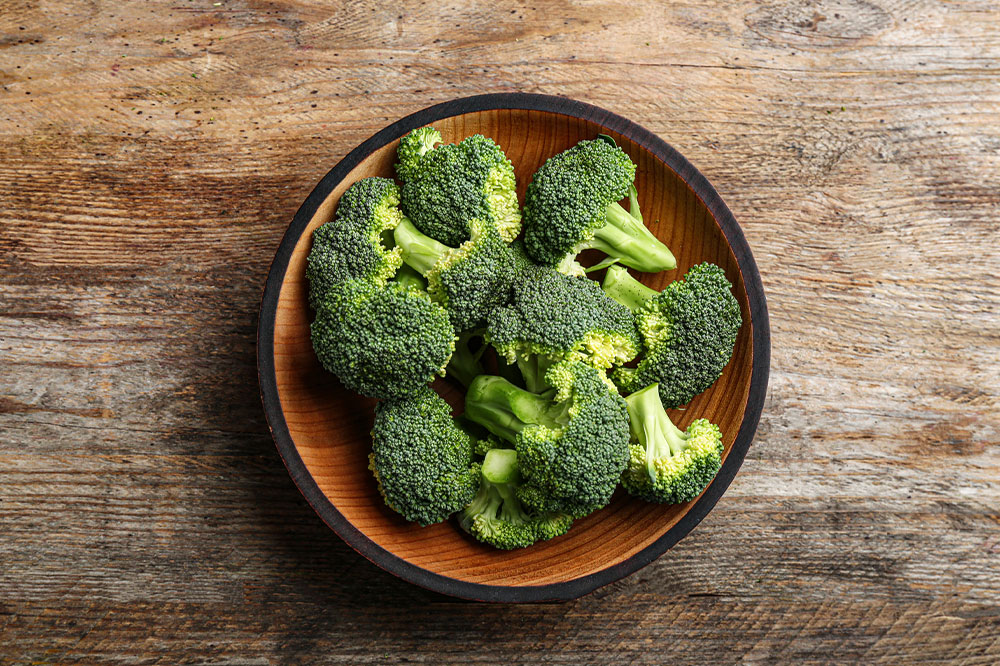
Broccoli
While cruciferous vegetables such as broccoli are considered beneficial for the body, they can be harmful for patients with ulcerative colitis. Generally, such vegetables contain high amounts of insoluble fiber. Moreover, when consumed either raw or cooked, these cruciferous veggies can trigger gas and bloating. So, in addition to broccoli, it is suggested that people with digestive issues avoid adding cabbage, cauliflower, and sprouts to their meals.
Beans
Quite similar to cruciferous vegetables, beans are rich in fiber, which can lead to problems like bloating and gas, thus triggering a flare-up. Therefore, healthcare professionals recommend eliminating beans from one’s meal plan to manage ulcerative colitis. But, in cases where patients cannot steer clear of it, they must try different preparations and limit the intake. For instance, one can remove the outer layer of chickpeas to ease the digestion process.
Corn
Corn or corn kernels are known for their health benefits such as managing blood sugar and regulating bowel movements. However, these kernels contain insoluble fiber that cannot be digested by the human body and can cause issues like diarrhea. So, as an alternative, it is suggested that patients with ulcerative colitis or ones experiencing an active flare-up opt for easily digestible foods such as bananas, potatoes, and white rice.
Chocolate
The prominent ingredients of chocolate are caffeine and sugar, both of which can trigger an ulcerative colitis flare-up. In most cases, patients have noticed that these ingredients cause cramping and increase bowel movements. Therefore, those experiencing an active flare-up or living with the condition must stay away from chocolate.
Cake
Food items such as cakes and pastries often contain high amounts of added sugar, which can trigger flare-ups. When one eats such foods, the added sugar can change the balance of gut-based bacteria and cause inflammatory bowel disease-like symptoms. In addition to this, the processed or refined sugar found in such food items can spike blood sugar levels and cause an increase in inflammation. As a result, people with ulcerative colitis are advised to opt for alternative foods such as cantaloupes and other cooked fruits.
Peanuts
Just like high-fiber foods, peanuts and other nuts in their raw form cannot be broken down well by the digestive system. This can cause patients to feel a sense of discomfort during both digestion and bowel movements. Besides, nuts are allergens that can trigger a response in some people, so, it is best to steer clear of this food item. Nevertheless, if one wishes to eat peanuts, they can ground them into smooth butter that can be added to smoothies.
Raw onions
Raw onions are one of the common foods that can trigger ulcerative colitis as they contain fiber that cannot be digested easily. Additionally, these veggies can cause gas, which can lead to stomach pain in some people. As an alternative, one can opt for other herbs such as basil, thyme, and parsley to add flavor to their meals. If needed, one can even cut onions into small pieces and cook them thoroughly to reap the maximum benefits of the food.
Tomatoes
Even freshly picked tomatoes are acidic in nature, which can irritate the intestinal lining. Moreover, tomato seeds can prove to be incredibly difficult to digest for ulcerative colitis patients. So, one can either limit the intake of tomatoes to half a cup or opt for other alternatives, such as squash, which can be consumed in the form of soup.
Coffee
The main ingredient of coffee – caffeine, is a stimulant that can make way for problems such as abdominal pain and diarrhea. Furthermore, coffee has chlorogenic acid, which can lead to an increase in the production of stomach acids and cause heartburn. In addition, if one is used to having large amounts of coffee throughout the day, it can leave one dehydrated, worsening the symptoms of the condition. Therefore, it is best to avoid such triggers that can cause an ulcerative colitis flare-up. Alternatively, one may peel off the outer layer of cucumbers and squash and prepare a healthy snack option.
Soda
Most carbonated beverages such as soda contain high amounts of artificial sweeteners – a definite ulcerative colitis trigger. Additionally, they contain caffeine, which can increase bowel movements and gas and the bubbles in these beverages can also cause one to feel bloated and have cramps. So, people with ulcerative colitis are advised to keep away from such beverages that can irritate the gut lining and increase the risk of inflammation and flare-ups. Instead, they are suggested to opt for fresh fruit juices like grapefruit, oranges, and other citrus fruits to keep themselves hydrated.
Milk
People who are lactose intolerant can experience inflammatory bowel disease-like symptoms when they consume milk and other dairy products. This is because milk contains certain proteins called casein, which can lead to intestinal inflammation and other gastrointestinal issues, such as bloating, abdominal pain, and diarrhea. Thus, ulcerative colitis patients are suggested to either completely avoid milk and dairy products or limit their intake to keep flare-ups at bay.
The above foods can trigger ulcerative colitis as well as Crohn’s disease, both of which are inflammatory conditions. However, one must keep in mind that ulcerative colitis and Crohn’s disease are different health conditions related to the digestive tract. While both of them have similar symptoms such as rectal bleeding and diarrhea, the former affects the lining of the colon, the latter causes chronic inflammation of the complete gastrointestinal tract.
You May Also Like

Hyperkalemia – Causes and Management Options
Hyperkalemia is characterized by increased potassium levels in a person’s bloodstream. For optimal health, maintaining adequate potassium levels is essential. Managing hyperkalemia by following a nutritious meal plan can help with this. As hyperkalemia can be deadly, it must be treated immediately after being diagnosed to prevent its symptoms. Below is a list of some of the nutritious foods that have helped lower potassium levels and some potassium-rich foods to avoid for managing hyperkalemia.
Hyperkalemia
Potassium is an essential nutrient, but excess potassium in the body can lead to conditions like hyperkalemia. It can cause serious heart problems, so it is crucial to be familiar with all the details of the conditions. Hyperkalemia symptoms are typically mild and non-specific and thus easy to miss. Muscle weakness, tingling, nausea, and numbness are the usual symptoms of the condition. When the potassium levels are high, one may experience shortness of breath, chest pain, and heart palpitations. Since sudden hyperkalemia can be life-threatening, it is better to seek immediate medical care if the symptoms arise.
Causes of hyperkalemia
One of the most prevalent reasons for hyperkalemia is kidney disease. The kidneys are tasked with the job of balancing electrolytes, including potassium. The kidney can compensate for high amounts of kalium when its functioning is only moderately impaired. But in the late stages of kidney disease, the kidney may lose this ability. Some drugs may interact with kidney functioning in such a way that it leads to inadequate removal of potassium. Another common cause is eating too many potassium-rich foods like cantaloupe, orange juice, bananas, honeydew melon, or other supplements. Less common causes of hyperkalemia include uncontrolled diabetes, Addison’s disease, and severe injuries or burn that cause the body to release extra potassium.
The nutritional regime for hyperkalemia
Since one of the most common reasons for hyperkalemia is the excess consumption of potassium, the best way to control it is by following a balanced meal plan. Even when triggered by other reasons like kidney disease or diabetes, modifying the meal plan is the best way to manage this health condition. Bear in mind that it is not possible to have a meal plan free of potassium, and neither is it healthy. A lot of nutritious foods contain potassium. Hence completely eliminating potassium from one’s regular meal plan may cause constipation and deficiency of several other essential nutrients. However, temporarily adopting a low-potassium meal plan is ideal. The following tips can help a person follow this:
Avoid foods with the high potassium content
It is best to avoid canned vegetables since they contain more salts than necessary and hence may increase potassium content in the blood. Fresh fruits like bananas, grapes, kiwis, mangoes, apricots, and dry fruits like plums, papaya, and raisins have high potassium content. Also, avoid spinach, butternut squash, potato, sweet potatoes, avocado, beetroot, eggplant, cereals with bran, and nuts like pistachios. It is important to control the intake of milk, yogurt, nuts, fish, and chicken. Fruit juices tend to contain artificial salt that is rich in potassium. So try not to drink more than 150 ml of fruit juice a day.
Reducing potassium from food
If one regularly consumes the foods mentioned above, eliminating these entirely may not be possible. So, one must try to reduce the amount of potassium intake. First and foremost, learning about foods and their nutritional values is important. It is helpful to be aware of the potassium content in foods. A person suffering from hyperkalemia should consume only 2,000 milligrams of potassium a day (as opposed to 2,600 to 3,400 milligrams recommended for a healthy adult). Potassium content from canned foods can be reduced by draining the water. In fresh vegetables, leaching is ideal. This process involves soaking vegetables in water and cooking them in 10x more water than vegetables. Wash the leached vegetables in cold water. Avoid large servings of tomato in all its forms (soup, sauce, puree, juice, etc.). Also, avoid foods like licorice, strong coffee, and chocolate.
Foods to manage hyperkalemia
Apart from steering clear of some foods, including foods low in potassium in one’s meal plan is important. Consider lean meats, shrimp, or eggs for proteins. Cauliflower, alfalfa sprouts, asparagus, green beans, broccoli, cabbage, cucumber, white mushroom, zucchini, and carrots are ideal vegetables for people with hyperkalemia. Turn to high-fiber grains instead of those with bran. Blackberry, blueberry, cranberry, peach, grapefruit, apple and apple sauce, cherry, strawberry, tangerine, and pears are fruits that are low in kalium.
Treatment for hyperkalemia
More often than not, a low-potassium meal plan is an ideal solution for hyperkalemia. But there are other alternative treatments. One’s healthcare provider will also likely modify the prescriptions apart from giving a person a meal plan with low-potassium foods. They might also ask a person to take specific pharmaceutical preparations to help the body eliminate extra potassium efficiently. These could be diuretics that make the kidney produce more urine, through which potassium is typically expelled from the body. Doctors may recommend certain prescription treatments for hyperkalemia. However, the same is not used for children and is usually more commonly prescribed when the potassium build-up is severe.
Consult with the healthcare provider
One must always make modifications to the meal plan with the help of a nutritionist or a general practitioner. Firstly, if hyperkalemia is comorbid with other conditions, it is important to understand which foods will impact one’s health adversely. It is also possible that food is not a cause of this condition. If the reason is an underlying condition like diabetes, the meal plan must be low in potassium and carbohydrates. But if the cause is kidney disease, one must limit sodium, calcium, and phosphorus. Doctors are better equipped to create a meal plan that will suit a person. But remember, it is important to consult with a doctor before making any changes to the meal plan or if the symptoms aggravate further.

Internet Plans – Tips to Choose One and Mistakes to Avoid
Internet connectivity is the need of the hour for working professionals who operate from home, students, and generally anyone who wants to be online. So, getting a family plan is better if you install a new Internet connection at home. These plans cater to every individual’s needs and support multi-device streaming and seamless connections to work or study. This article discusses the best plans to choose, mistakes to avoid, and ways to boost your Internet connection.
Common mistakes to avoid while choosing Internet providers
Choosing an Internet service provider can be confusing at first, so here are a few basic mistakes you can avoid:
- Choosing the wrong connection
Avoid choosing a low-cost Internet provider simply because you get some free basic plans. You will end up with a low-speed connection that might not be sufficient for all household members. Compare plans to find affordable Internet services that work for everyone. - Getting confused with Internet types
Fiber optic connections are the fastest and offer decent speeds for multiple users to connect and enjoy Internet services. However, some affordable plans may only be available with limited bandwidth. So, you must check and compare types of Internet connections, including DSL, cable, and fixed wireless. - Not reading the terms of the agreement
If you are applying for special Internet discounts, consider the terms and conditions mentioned in the qualifying criteria. You don’t want to commit to anything long-term when many alternatives are available on the market. - Not getting the proper hardware
You must invest in a decent modem and essential hardware for your home Internet to work seamlessly. Some government-sponsored Internet access benefits include the cost of these installations. - Not comparing all available offers
You’ll have to do some research to check out the best home Internet options available and compare services, irrespective of the ACP benefit. Don’t miss out on promotions simply because you haven’t checked out the available alternatives.
Top 3 affordable home Internet services
Verizon, Cox Communications, and AT&T are among the top services providing affordable Internet offers with benefits sponsored by the government as well.
- Verizon’s low-cost Internet for low-income families
Verizon has partnered with the government to provide low-cost, affordable Internet services under its Lifeline Assistance Program. Suppose your income is less than or equal to 135% of the federal poverty guidelines. In that case, any household member receiving benefits under a qualifying federal assistance program can avail themselves of the discount. These primarily include Medicaid, the Supplemental Nutrition Assistance Program, Supplemental Security Income, Federal Public Housing Assistance, Veterans Pension and Survivors Benefits, and other special tribal programs.The 300 Mbps plan is free, while the 500 Mbps plan costs only $24.99 per month after a discount. Users are also eligible for the gigabit connection under the low-cost scheme for a discounted price of $49.99 per month with speeds up to 940 Mbps. Average savings under the scheme start at $20 per month and vary depending on the plan chosen. - AT&T Home Internet Services
AT&T is another Internet provider that partners with the government to provide low-cost Internet, sponsored under the Affordable Connectivity Program (ACP). Given the low tariff rates for the service’s basic Internet plans, you can get free Internet access upon qualifying and applying the discount. Eligible households can get a minimum $35/month discount, up to even $75 for unique qualifying tribal lands. The basic 100 Mbps plan starts at $30/month, and no additional charge is levied for annual contract maintenance, installation, or Wi-Fi modules. With the ACP $30/month credit, you’ll virtually enjoy free Internet access upon qualification. The discounts are applicable even for high-speed Internet plans over 100 Mbps. - Cox Communications low-cost Internet
Cox Communications offers a variety of low-cost Internet plans under the ACP program. Individual users can enjoy the ConnectAssist plan with speeds up to 100 Mbps, ideal for connecting up to five devices, including a free modem rental and no term agreement. While the plan starts at $30 per month, qualifying individuals under the ACP benefit can use the Internet connection for free upon receiving the monthly credit.Families can alternatively check out the Connect2Compete Internet plan, which also offers 100 Mbps speeds with all the perks and benefits of the individual plans. The plan is priced at $9.95/month, with ACP credit available for specific qualifying criteria. In addition, at least one K–12 students must receive schooling benefits under government-sponsored education programs.
6 easy steps to boost Wi-Fi connection
When you use affordable Internet plans with limited bandwidth and speed, the following tips and hacks will help boost your Internet speed significantly.
- Restart the devices
Sometimes, overheating of the devices can cause severe lag and latency issues. Restart the device or turn off the router for a few minutes to allow the device to cool down. The power-down and power-up cycles also boost Internet speed. - Shift the router or modem
Wi-Fi speed can also be affected if there is a barrier behind or in front of the antennas. This disturbance causes the signal to bounce back and affect latency, causing the Internet to disconnect. Wireless routers need to be placed in a location where there is no interference. - Revise the frequency
If multiple users are logged in, increasing the frequency band is better. Wi-fi routers operate on two radio frequency bands, mainly 2.4 GHz and 5 GHz. Switching the frequency will shift your device to better bandwidth and ensure seamless connectivity. - Use a Wi-Fi extender or booster
Range extenders and signal boosters can easily enhance your existing low-bandwidth Wi-Fi connection for a bare minimum cost. To enable a direct connection, you can even switch to a dedicated Ethernet port connection for desktops. - Disconnect unnecessary devices
Sometimes you’ll forget about that iPad or spare phone that’s still connected to the Wi-Fi network but not being used actively. Disconnect unused devices so the network is only used for active connections. This will help improve speed even on limited bandwidth. - Update the interface
Device updates can also affect the Wi-Fi connection because manufacturers keep releasing new software updates. You must download the latest firmware for the routers and modem to ensure the connection is stable.

Top 8 foods that relieve nasal congestion
If your nose is stuffed up and you have a hard time breathing, the last thing you probably want to think about is food. However, some of the most common remedies for nasal congestion caused due to nasal polyps can be found in the kitchen. Eating specific foods may relieve your symptoms and help reduce inflammation in your airways. Discover the eight best foods you should eat to alleviate nasal congestion and other symptoms.
What does nasal congestion mean?
Nasal polyps (or nasal congestion) are small, non-cancerous growths that develop on the lining of the nasal passages. They often appear as soft, painless, teardrop-shaped tissue lumps hanging down and may block the nose completely. Though typically harmless, it is important to be aware of nasal polyps if you have allergies or other chronic respiratory conditions such as asthma or cystic fibrosis.
Nasal congestion may cause a runny nose and difficulty breathing. However, it doesn’t have to be this way. The following eight food items may provide natural relief from your nasal congestion – some of which may already be in your kitchen.
Garlic
Garlic contains allicin and ajoene compounds, which have the following benefits:
- Antiviral properties (the ability of a compound or organism to prevent the growth and spread of viruses)
- Antibacterial properties (the ability to reduce the growth and reproduction of bacteria)
- Antifungal properties (the ability to stop the growth and proliferation of fungi such as yeast and mold).
These properties make garlic a great addition to any remedy for nasal polyps. Additionally, garlic may promote expectoration (coughing or spitting out the accumulated mucus from the respiratory tract). This helps expel irritants from the nasal passages.
Following are the homemade ways to consume garlic:
- Garlic milk
Add one or two cloves (minced) of garlic to a cup of warm milk and let it sit for 15 minutes. Strain the milk before consuming it warm. - Garlic tea
Another remedy for reducing nasal congestion is garlic tea. Heat two cloves of minced garlic with one cup of water and get it to a boil, then let it simmer for ten minutes. Strain and have it warm while taking in the garlic-induced vapor.
Ginger
Ginger provides antibacterial, expectorant, and antimicrobial qualities, which may help reduce the symptoms of nasal congestion. Moreover, its anti-inflammatory properties work together to reduce the redness and swelling caused by nasal polyps.
To reap these benefits of ginger, you may prepare a soothing cup of fresh ginger tea to relieve nasal congestion. Grate some fresh ginger and mix it in boiling water, adding honey or stevia afterward for sweetness. This natural remedy may help reduce inflammation, sinus pressure, and mucus production.
Inhaling ginger-flavored vapors directly may also help. Add some chopped ginger to hot water in a large pan. Then, cover your head with a towel and sit with your face facing the pan. Inhaling the steam for 5 minutes can provide soothing comfort to nasal passages.
Chili peppers
Chili peppers contain naturally-occurring compounds called capsaicinoids. These compounds cause heat sensation after coming in contact with pain receptors in the tongue or lips. They help open up blocked nasal passages, draining mucus and relieving pressure from the nasal polyps. This may reduce the discomfort caused due to congestion and make breathing easier.
Chili peppers are a great way to treat nasal congestion and other respiratory illnesses (pneumonia, bronchitis, tuberculosis, etc.) You may incorporate them into your favorite dishes, sauces, dips, soups, and stews.
Hot tea
Hot tea can be a great option for naturally relieving nasal discomfort. It’s packed with anti-inflammatory and antibacterial properties, and antioxidants that help clear away blocked mucus. Additionally, its steam is often effective in loosening up stuck blockages.
A cup of hot tea may help fight attacks from foreign pathogens (influenza and viruses) that can cause inflammation in the nasal passages.
Honey
Raw honey contains properties that help reduce inflammation in the nose and prevent thick, sticky mucus from forming. You can break up mucus and clear blocked airways by adding a teaspoon of raw honey to a glass of warm water or tea. Additionally, its antibacterial properties attack germs and act as a natural remedy. Honey is also a natural antioxidant and contains antibacterial agents (triclosan, chlorhexidine, and polymyxin B sulfate) that may help reduce infection in the sinuses.
Furthermore, as a mild expectorant, it cleans the nasal tract, removing allergens and other impurities (smoke, dust, and pollen). The soothing nature of honey helps to dampen the airways and reduce the irritation that may cause nasal congestion.
One of the most effective to use this ingredient is to mix a spoonful of honey in warm water or tea and drink it before bed. Another easier option is to have a tablespoon of honey undiluted.
Citrus fruits
Citrus fruits like oranges, lemons, and grapefruits contain natural ingredients that may help you fight nose blockage. The antioxidants in citrus fruits (hesperidin and limonene) may help reduce inflammation in the nasal passages and the throat. Additionally, these antioxidants may also reduce mucus accumulation.
Vitamin C is the primary nutrient found in citrus fruits. This vitamin is more than just a delicious addition to your morning juice – it possesses powerful healing properties. Not only does vitamin C help strengthen the body’s immune system, but its circulatory-boosting benefits offer relief from congestion and other sinus issues associated with colds or infections.
Turmeric
Curcumin, a compound present in turmeric, has many health benefits (eases joint pain and boosts body immunity), including the ability to fight off nasal congestion. In addition, curcumin is a powerful anti-inflammatory agent that may reduce inflammation in nasal polyps.
Curcumin naturally supports healthier mucus secretions in the nasal tract. These secretions form a protective barrier of proteins, carbohydrates, and lipids, which trap foreign particles while providing lubrication for smoother breathing. In addition, adding 500-600 mg of turmeric to daily food preparations may reduce inflammation and congestion.
You may reap the benefits of this age-old household remedy by drinking turmeric tea or adding turmeric powder to salads, soups, and sauces.
Broths
Broths are hugely beneficial to overcome nasal polyps. Adding vegetables and herbs to a broth stock provides essential oils and nutrients, relieving nasal polyps and other cold symptoms. The cooking process breaks down the fibers in the vegetables, enabling them to release vitamins and minerals that boost your immune system.
In addition, broths are also a rich source of minerals, especially zinc. Zinc has excellent anti-inflammatory and antiviral properties, which may help reduce swelling of the nasal passages.
Plenty of foods help fight nasal congestion, from ginger and garlic to chilis. All these superfoods may help clear up nasal polyps in no time. While it’s great to include these items in daily meal plans, it’s important to note that the best way to treat a cold or an allergy is by resting, exercising, and having balanced meals.

Have these 14 foods to manage macular degeneration
Macular degeneration is an eye condition that causes changes in the macula, leading to vision loss. Though there is no cure for this condition, following an eye-healthy meal plan is important in managing complications like vision loss. A nutritional regime for age-related macular degeneration should include healthy amounts of vitamins, minerals, and other nutrients. Some foods that contain eye-healthy vitamins that help manage symptoms of macular degeneration are listed below.
Macular degeneration
Age-related macular degeneration is a primary cause of vision loss among people aged 55 years and above. The condition refers to the deterioration of the central part of the retina called the macula. Symptoms include blurry vision, blind spots, difficulty recognizing faces, visual distortions, and more. Studies indicate that nearly 20 million people in the country live with some form of age-related macular degeneration. This condition occurs in two forms- the dry and the wet form. The dry type occurs when the macula gets thinner with age. This condition gradually progresses over the years. The dry form can advance into the wet type when abnormal blood vessels develop in the back of the eye and harm the macula. The wet type of AMD usually accelerates vision loss.
Leafy green veggies
Dark-green, leafy vegetables are rich in beta-carotene and carotenoids such as lutein and zeaxanthin. Including leafy vegetables such as spinach, kale, and collard greens in your meal plan can increase the pigment density in the macula and potentially slow down age-related macular degeneration (AMD). Also, keep up a healthy intake of cruciferous vegetables such as cauliflower, broccoli, and cabbage, all excellent sources of essential vitamins.
Colorful vegetables
Colorful vegetables such as carrots, red and yellow pepper, pumpkin, and tomato contain carotenoids that contain essential vitamins for the eyes, such as lutein and zeaxanthin. To manage macular degeneration, include all these colorful and eye-healthy veggies on your plate.
Fatty fish
Individuals diagnosed with macular degeneration are advised to add fatty fish such as salmon, tuna, sardine, mackerel, and herring to their meal plan, as these fish contain anti-inflammatory properties that can slow down the advancement of this eye condition. In addition, fatty fish contains high omega-3 fatty acids that can help lower cholesterol, which is also linked to macular degeneration.
Eggs
Meals high in lutein and zeaxanthin may also help decrease the risk of AMD’s progression. Egg yolk has a high concentration of lutein and zeaxanthin that can protect the cells in the macular area.
Citrus fruits
People with AMD should include vitamin C-rich foods in their nutritional regime to slow the condition’s progression. Vitamin C helps build collagen that promotes healthy blood vessels in the eyes. Citrus fruits such as oranges, peaches, and kiwis deliver a good amount of vitamin C.
Beans and legumes
Beans and legumes such as chickpeas, kidney beans, and black-eyed peas are high in zinc, a trace mineral essential for eye health. Zinc helps the body absorb the vitamin A needed to protect the eyes from the damaging effects of light.
Seeds
Seeds contain vitamin E and omega-3 fatty acids essential to regulate cellular functions. You can eat sunflower seeds, chia seeds, or flax seeds as a snack or add a spoonful to salads or smoothies for managing vision problems such as macular degeneration.
Nuts
Consuming nuts can also help individuals with mild macular degeneration avoid developing advanced macular degeneration. Almonds, hazelnuts, peanuts, and walnuts are rich sources of vitamin E, an antioxidant that can combat a wide range of vision problems. Eating a handful of nuts daily is highly recommended to prevent AMD from worsening.
Oysters
Seafood choices, mainly oyster, is one of the best nutrient-rich sources of zinc and can slow the progression of macular degeneration. Avoid grilling or baking shellfish, as doing so can reduce their zinc levels. Instead, steam, boil, or poach oysters to retain their zinc levels.
Sweet potatoes
Regular intake of sweet potatoes is great for the overall health of your eyes. Sweet potatoes are high in vitamin A and beta-carotene, which are known to improve night vision.
Avocado
The nutrients in avocados are beneficial for protecting your eyes from poor vision. This green fruit is loaded with vitamins C, E, beta carotene, and lutein, making it a must-have food for individuals with low vision. You can have sliced avocado for breakfast or add it to salads, dips, soups, or sandwiches.
Whole grains
Whole grains are good sources of zinc, an essential nutrient for regulating cellular functions. People with macular degeneration tend to have low levels of zinc. Eating more foods that contain zinc can reduce the risk of advanced AMD. Add whole grains such as brown rice, quinoa, and barley to your meal plan.
Brussels sprouts
Brussels sprouts are an excellent vegan alternative for omega-3 fatty acids. This little green vegetable contains two essential antioxidants—lutein and zeaxanthin. Make sure to add this vegetable to your meals to support the macular health of your eyes.
Lean meat and poultry
Lean meat and poultry such as beef, turkey, and chicken provide zinc, vitamin A, and other vital minerals for eye health. These nutrients in lean meat help nourish the retina and are healthy nutritional options for people with low vision. However, lean meat has to be consumed in moderate amounts and as part of a varied nutritional regime.
To reap the benefits of these superfoods, one must include them in the meal plan at least three to four times a week. Besides consuming a meal with the right vitamins and nutrients, avoiding foods high in saturated fats and sugar is extremely important. The food you eat plays a significant role in your eye health; therefore, it is essential to have a well-balanced and healthy meal plan containing foods that can help manage the symptoms associated with macular degeneration. However, it is also important to seek the advice of a nutritional expert before making changes to your meal plan if you are experiencing any other underlying health conditions.

Chronic Kidney Disease – Foods to Eat
If your kidneys are damaged, and their ability to filter waste from the blood reduces, you will probably be diagnosed with chronic kidney disease or CKD. The accumulation of waste as a consequence of this health impairment can crease several complications, including high blood pressure, weak bones, nerve damage, anemia, and malnutrition. Chronic kidney disease tends to increase the risk of other conditions related to the heart and blood vessels.
Early detection and treatment can help slow the deterioration, but no cure exists. Thus, it is essential to acquire a good quality of life and prevent permanent kidney failure, which will necessitate dialysis or kidney transplants.
How to manage chronic kidney disease?
The choice of treatment depends on the progression of chronic kidney disease, associated health problems, and current lifestyle. Prescription treatment typically helps to control comorbid conditions like high blood pressure, high cholesterol, vitamin K build-up, water retention, and diabetes, among others. A nephrologist is likely to recommend a combination of options: lifestyle changes, prescription treatments for associated problems, and in later stages, dialysis or transplants.
Lifestyle changes for chronic kidney disease
A doctor is also likely to recommend changes in your style of living. You can damage muscles and bones during the course of the illness, and hence exercising is vital. Ideally, you must get at least 150 minutes of exercise a week. During flare-ups, exercise is not possible, so you can opt for physiotherapy or electrical stimulation to strengthen the muscles. Further, salt can also become problematic – the ideal amount of one teaspoon daily is about 6 grams. Additionally, you must avoid non-steroidal anti-inflammatory drugs (NSAIDs – like ibuprofen) and use alternatives instead. Apart from these, food modifications can help reduce the progression of chronic kidney disease.
Foods for chronic kidney disease
Restrictions in food items vary based on the level of kidney damage, and a “renal diet” is usually recommended. Such meal plans boost kidney function and prevent further damage. You must restrict three nutrients – sodium, potassium, and phosphorus – since the damaged kidneys lose the ability to filter out excess of these substances efficiently. When kidney damage is in stage 5, the need for protein increases. The following five foods boost kidney function and help you manage chronic kidney disease.
Egg whites
Egg yolks are incredibly nutritious. However, they contain high levels of phosphorus. It means that egg whites are a better choice as a kidney-friendly source of protein. Two large egg whites have only 10mg of phosphorus and hence are an excellent choice for those undergoing dialysis.
Strawberries
This sweet treat, with or without chocolate, is perfect for those with chronic kidney disease. It is a delicious snack that is low in potassium and gentle on the tongue. The berry is also rich in vitamin C, manganese, and fiber. Antioxidants also help reduce the risk of heart conditions.
Garlic
When certain foods are restricted, spices become your best friend. With anti-inflammatory properties, garlic is an aromatic and tasty ingredient that adds flavor to your food and helps manage kidney health. It can act as an alternative to salt, which needs to be limited when you have renal problems. It also contains vitamins B and C and minerals like potassium, phosphorus, and manganese.
Cauliflower
Raw, steamed, or as soup, cauliflower is a delicious and excellent crucifer to help boost your health. The vegetable contains vitamins B, C, and K and is a kidney-friendly alternative to potatoes. Cauliflower is an excellent source of fiber and also possesses anti-inflammatory properties. Additionally, it has minimal quantities of potassium.
Sea Bass
A high-quality source of protein is sea bass. It has omega-3 fatty acids and is low in phosphorus content. It has the capacity to decrease the risk of cognitive decline and anxiety and reduces inflammation. It is imperative, however, not to overeat since excess of this fish can increase potassium levels in the blood, making it harder for the kidney to function.
Tips for managing kidney disease
Opt for low-sodium foods
Controlling blood pressure is necessary for individuals with chronic kidney disease. It is best to prepare your own food since packaged, processed foods contain more salt to preserve it for longer. Try to use spices, herbs, and sodium-free seasoning. Remember to rinse canned vegetables well and strain them since they contain excess salt. Look for alternative foods labeled as “sodium-free” or “lightly salted.” Make sure to read the labels. It is best to avoid taking more than a daily value of over 20%.
Eat the right kind and amount of protein
Protein metabolism produces byproducts that the kidney needs to work hard to remove. So it is better to choose the right combination of proteins. You can pick between fish, chicken, eggs, beans, nuts, grains, or dairy products like yogurt or cheese.
Eat heart-friendly foods
Unfortunately, chronic kidney disease often brings along heart complications. It means you must try hard to keep fat from accumulating in your blood vessels. Stick to boiling, steaming, or baking your food instead of frying it. Trim meat, use olive oil instead of butter, and avoid transfats.
Choose low-phosphorus foods
As discussed above, preventing the build-up of phosphorus in the blood is critical. This mineral causes the breaking down of calcium from the bones, leaving them vulnerable to fractures. High phosphorus levels can also cause itchy skin and bone and joint pain.
Reduce potassium intake
Potassium build-up due to chronic kidney disease affects the nerves and muscles. This mineral has the potential to affect the heart too. Salt substitutes are typically high in potassium. Additionally, some prescription options may increase blood potassium levels and hence may need to be adjusted. Remember always to check the labels of your food. If you need clarification, consult a nutritionist for a CKD-friendly meal plan.