
10 Mistakes to Avoid When Buying Auto Insurance
Buying and claiming auto insurance was one of the biggest headaches for car owners a few years ago. But thanks to various apps and websites, the process is much easier today. Still, many people make mistakes while purchasing insurance online, which causes a lot of confusion. The following are typical errors to avoid when getting auto insurance. These tips will help you select the best policy in the market and enjoy a seamless process.

Not assessing your needs
There are dozens of auto insurance firms, each with a unique assortment of plans. While there is no best plan, some could suit your needs more than others. For instance, if you have a teen driver in the family, you should look for policies created for young adults. If you are a cautious driver, an insurer with a telematics plan can help you get rewards for your safe driving. Keeping all this in mind, you should go about your research to get the most suitable insurance quote.
Not researching enough
Shopping for insurance is like shopping for clothes—you must find the right fit for you and your vehicle. So, do not buy in a hurry. It would help to do some basic research before purchasing or renewing a plan. You can visit the insurer’s website to read about the different packages available and compare them. It is necessary to be patient and take enough time to study the details so that you find the most suitable policy. Research is the foundation for an informed decision and can help avoid confusion later.
Ignoring third-party ratings
Reading customer reviews is perhaps the best way to assess insurance companies. But where do you look for these reviews? Even if the insurer has a reviews section on its website, you will likely be skeptical since they may be selective about which reviews appear. In contrast, third-party ratings tend to be more objective. They can help you understand the provider’s insurance process, their quality of customer service, and the ease or difficulty of filing claims.
Not knowing the coverage you require
Full-coverage auto insurance is not for everyone since it can be expensive. The coverage you need will depend on your vehicle’s type, cost, how much you use it, your driving skills, the driving conditions, and the weather. Of course, you also have to consider the minimum coverage requirements set by the state. Contact an agent in the company to narrow down your options and get an auto insurance quote. Ask them anything you need to know before deciding on a coverage amount.
Not understanding the terms and conditions
Buying auto insurance means signing a contract with the insurer. So, like with every contract, there will be terms and conditions. You must understand what you are signing up for and what you need to submit when raising a claim. Policy wordings are specific to each policy, so it is crucial to understand the insurer’s liability. Research well and contact the insurance company to get details of the plan and its terms and conditions. You need not become an expert in auto insurance, but you should understand the basics to make the proper selections.
Choosing the wrong deductible
A deductible is a minimum amount you must pay for damages before the auto insurance company steps in to clear the rest. A lower deductible will cost you more in premiums, but in the event of an accident, your out-of-pocket expense will be less. On the other hand, a plan with a high deductible will save you money on premiums, but you will need to pay more if you get into an accident. Since selecting the wrong deductible could cost you a lot of money, it is essential to strike a balance between the premium and the deductible. To choose the right plan, consider the road conditions, your driving skills, and how often you get into accidents. Comparing auto insurance quotes online can help you understand the options available and enable you to pick the one that works for you.
Hiding the truth
Truth is golden, especially when applying for auto insurance. It can become problematic if the company finds inconsistencies when accessing your driving records and personal information. The company could refuse to insure you or may even reject your application. But this is not the worst part. If an accident occurs and they discover you lied, the provider can refuse to pay a claim and cancel your policy. Buying a new auto insurance policy can also be challenging since other companies can access your previous records.
Not checking the claims process
Every insurer follows a different process for clearing auto insurance claims. Some have mobile apps, while others require you to use their website. A few ask you to talk to a representative over the phone or meet with a local agent. Shortlist auto insurance companies depending on what suits you best. Most people today prefer handling things digitally, whether paying bills, requesting a claim, or renewing an auto insurance policy.
Not looking for discounts
Besides deductibles, payment schemes, and claims processes, you must check for discounts before signing up with an auto insurance firm. You can learn about your prospective insurer’s discounts by visiting their website periodically. Use them to get the best out of your plan!
Not picking the right add-ons
Many insurance providers offer customizable policies where you can select the features you need. This customization allows you to get the best value for your buck. So, do not forget to learn about the different add-ons available. Select individual components based on your driving habits, the model of your automobile, and where you drive.
Once you have considered the above points and shortlisted a few auto insurance companies, you can contact them for a quote. Some provide a quote after you fill out details on their website, while others require you to speak to an agent.
You May Also Like
Foods to eat and avoid for improved kidney health
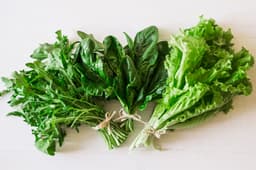
Kidney disease is a very common problem that affects most people. Though small in size, the kidneys perform vital functions and play a significant role in the overall health of the body. They filter waste products from the blood and flush them out of the body in the form of urine. To keep the kidneys in good health and to keep kidney disease away, consider adding these foods to one’s daily meal plans.
Green leafy vegetables : Kale and spinach are full of essential minerals and vitamins that help support kidney function and overall health. These vegetables contain vitamins C, A, and K. They are also rich in carotenoids and flavonoids. They have anticancer effects and give an extra boost to immunity.
Apples : They help reduce bad cholesterol, protect from heart disease, prevent constipation, and alleviate the risk of cancer. Apples are a rich source of fiber and anti-inflammatory compounds. Since apples are versatile, they can be consumed raw, in baked form, and as juice or vinegar.
Garlic : A good source of vitamin C, manganese, and vitamin B6. Garlic also has anti-inflammatory properties and adds flavor to dishes.
Berries : Blueberries and strawberries are rich in antioxidants, vitamins, and fiber. These also have anti-inflammatory and anti-cancerous effects on the body. Berries play an important role in keeping any kidney disease at a distance. The other kinds of berries include cherries, cranberries, raspberries, and more.
Cauliflower : A good source of nutrients, cauliflower helps in keeping kidney disease at bay. It is full of anti-inflammatory compounds such as indoles. It is also a rich source of vitamins C, K, and B folate. One can also consume mashed cauliflower in place of potatoes as a low-potassium side dish.
Sweet potatoes : They are also similar to white potatoes but rich in fiber and help maintain insulin levels. Sweet potatoes are a rich source of vitamins, potassium, and minerals. They also help balance sodium levels in the body and reduce their effect on the kidneys. Sweet potato is also a high-potassium food.
Red grapes : They are not only tasty but also high in vitamin C and antioxidants called flavonoids. Red grapes are rich in resveratrol, which offers many benefits to the heart and protects against diabetes and cognitive decline. This sweet fruit is kidney-friendly and contains sodium, phosphorus, and potassium.
Fatty acids : Omega-3 fatty acids support cell function. They are responsible for making hormones that regulate functions such as contractions, blood clotting, inflammation, and relaxation of the artery walls. Since the body cannot produce Omega-3 fatty acids on its own, one needs to consume food items that are a rich source. Walnuts, chia seeds, soybeans, canola oil, mackerel, and salmon are great sources of Omega-3 fatty acids.
Egg whites : They offer a high-quality, kidney-friendly source of protein. Egg whites are an excellent choice for those undergoing dialysis as they have higher protein needs.
Olive oil : It is a healthy source of fat and is phosphorus-free, which makes it a great option for people with kidney disease . The fat in olive oil is a monounsaturated fat called oleic acid with anti-inflammatory properties. The fat is stable at high temperatures, making olive oil a healthy choice for cooking.
Red bell pepper : It is low in potassium and rich in flavor, which is why it is an excellent choice for the kidney. It is also a rich source of vitamins C, A, and B6, folic acid, and fiber. Red bell pepper contains lycopene, an antioxidant that protects against certain cancers. One can eat a red bell pepper in its raw form with a dip as a snack or include it in a sandwich.
Foods to avoid for better kidney health
Foods that should be consumed for better kidney health include:
Dark-toned soda : Sodas include additives that have phosphorus which is bad for the kidneys. These additives are found in the form of salt and are absorbed by the intestinal tract.
Canned foods: Don’t eat canned food items high in sodium, like soups, beans, or vegetables. Go for lower sodium options or those with the label ‘no salt added’.
Brown rice: Since brown rice has a high phosphorus and potassium content, one should consume the same when on a renal meal plan. One can choose white rice, buckwheat, and bulgur as good alternatives.
Processed meats: Processed meats are also high in salt and protein, so they should be consumed in moderation in case the kidneys are not functioning properly.
Premade meals: Since packed food items or meals contain huge amounts of sodium, one shouldn’t consume the same to improve kidney health.
Dairy products : Phosphorus and potassium are both abundant in dairy. However, it is advised to steer clear of dairy products if one has kidney disease since when the kidneys are damaged, eating too much phosphorus can lead to a buildup of phosphorus in the blood, which can take calcium from the bones.
Apart from the foods one consumes for improved kidney health, a person also needs to drink plenty of water. Water is important for proper kidney functioning. Drinking enough water and fluids to support overall health, including kidney health, is necessary. Water helps in removing waste and toxins from the blood through urine. It opens up the blood vessels and efficiently delivers blood and other nutrients to the kidneys. The kidneys are negatively impacted if the body is dehydrated.
A person affected with some form of kidney disease needs to keep their food habits in check. Since the kidneys play a vital role in filtering blood and eliminating waste products, one needs to consume food that keeps the kidney’s health in check. Chronic kidney disease requires different eating habits and rules to protect the kidneys from further damage. Talking to a licensed nutritionist before changing regular meal plans is best. Do not blindly consume any food item or in excess, as it can have a negative impact on the kidneys. Always keep the healthcare practitioner in the loop so one makes a wise call on what one should consume for good kidney health.

9 Foods to Eat to Manage Depression
With depression affecting millions worldwide, understanding the potential of food as a complementary approach to managing the condition has become increasingly important. While no magic food can instantly cure the condition, scientific studies suggest that including specific nutrients and certain foods in one’s daily intake can help manage and alleviate its symptoms. One should remember that these are merely complementary and must not replace treatment for Major Depressive Disorder (MDD).
Foods that help manage depression
Here are some foods identified by various studies as natural allies to manage depression:
- Dark leafy greens
Dark leafy greens prevent inflammation, which has been linked to severe depression and brain inflammation. Due to their abundance of minerals, phytochemicals, and vitamins A, C, E, and K, leafy greens are particularly crucial. This nutrient-dense food group, which includes spinach, kale, Swiss chard, and broccoli, helps strengthen the immune system and stop the growth of malignant cells in the body. Because they are so versatile, dark leafy greens can be included in all sorts of meals, such as salads, smoothies, soups, or doughs. One can eat them raw in salads, sauté them in olive oil and garlic, mix them with other veggies like corn and bell peppers, or even add them to smoothies with bananas or other fruits for a drink filled with nutrients. - Walnuts
Studies have shown that omega-3 fatty acids support brain function and lower the risk of depression symptoms. Most nuts, particularly walnuts, are rich in polyunsaturated fats, including the crucial omega-3 fatty acids. The presence of omega-3 fatty acids, antioxidants, and other nutrients in walnuts is believed to boost energy levels and concentration, fight oxidative stress in the body, and contribute positively to one’s mental health. One can eat a handful of walnuts in a day as a snack. While nuts are generally considered a healthy addition to most diets, there are a few groups of people who should exercise moderation in their nut consumption. Those allergic to them, older people, or young children with weaker digestive systems can exercise caution since nuts are more difficult to digest than fruits and vegetables. One can consult a doctor on the ideal quantity for one’s health needs. - Avocados
Avocados are a superfood for the brain. This versatile food contains healthy fats, especially oleic acid. Protein, vitamin K, vitamin B9, vitamin B6, vitamin B5, vitamin C, and vitamin E12 are all present in avocados, which should be had daily. Due to their high fiber and low sugar content, avocados can support healthy brain function. They are a delicious and nutritious addition to salads. - Berries
Berries are one of the richest sources of antioxidants and vitamin C, which is associated with a reduced risk of depression. Apart from helping to fight depression, these nutrient-dense foods can also significantly help improve cell health, protect against age-related cognitive decline, and contribute positively to one’s skin health. Common berries include blueberries, strawberries, and raspberries. - Mushrooms
Studies have also shown that intestinal health can affect mood since the nerve cells in the gut are responsible for producing the crucial neurotransmitter serotonin. Mushrooms are superfoods that maintain the balance of one’s gut bacteria by acting like probiotics. Alternatively, these superfoods have chemical components that balance mood and work to control blood sugar levels, which can be beneficial for individuals with diabetes. Mushrooms are easy to cook and can be eaten in salads, omelets, or a number of other home-cooked meals. - Yogurt
Besides mushrooms, one can also go for kefir or yogurt as rich probiotic alternatives that promote gut health. One should eat unsweetened natural yogurt to get maximum benefits and avoid unnecessary sugar intake that may further complicate one’s condition. - Beans
Beans provide a number of advantages, including a high fiber content that helps maintain mood. Beans are a good option for people looking to stabilize their mood since they are digested slowly, reduce cravings for processed grains like bread and help to control blood sugar levels. Beans may be included in meals as a delicious carbohydrate alternative. - Fish, tofu, and milk
Vitamin D is an extremely important nutrient that fulfills and supports various body functions, including bone health, immune function, and mental well-being. While sunlight is a natural source of vitamin D, foods like tofu, fish, and milk can also provide this essential vitamin. Tofu, a soy-based product, is suitable for vegan eaters, while milk should only be consumed by those who are not lactose intolerant. Sometimes, vitamin D from food alone may not meet one’s body’s demands. In this case, one should consult a healthcare professional to determine specific requirements and oral treatments to boost one’s vitamin D levels. - Cacao
A minimum of 85% cacao in dark chocolate offers multiple health benefits to individuals, especially women battling depression. It contains flavanols that naturally stabilize one’s mood and boost memory and immunity. Apart from being a delicious snack, it is also anti-inflammatory and has been shown to reduce depression symptoms. One should avoid store-bought chocolates since they mainly contain sugar and little cacao. To ensure one eats the right chocolate, one can check a product’s labels and do research before buying the best dark chocolate.
Diagnosis of depression
Testing to determine whether or not one is exhibiting depressive symptoms is the first stage in diagnosing depression. One can find numerous science-backed and healthcare professional-recommended self-assessment tests online, with questionnaires that try to understand an individual’s body and mind. If one shows signs of depression, one can also visit a doctor directly, who will take a series of tests, from questionnaires and conversational sessions to blood tests that may detect any existing deficiencies. Often, depression is a side effect of certain nutrient deficiencies or underlying health conditions. Hence, these tests also help a professional rule out other illnesses and begin therapies to treat chronic depression if it is diagnosed.
Treatment options
Vraylar is an effective treatment option for Major Depressive Disorder (MDD) and other mental conditions, including schizophrenia and bipolar disorder. The cost of the treatment may vary depending on an individual’s needs and the doctor’s recommendations. Apart from that, it may also be recommended to take other oral treatments, physical exercises, and complementary therapies, including acupuncture, yoga, and meditation. One is advised to detail one’s symptoms honestly to one’s healthcare professional to ensure that the treatment received is accurate and effective.

7 Human Foods That Are Safe for Cats to Enjoy
Our cats are more like family to us than mere pets. We love them, and they make us as happy as human children make their parents. No matter what people say, they’re undoubtedly the best! But all this said, caring for a cat is a big responsibility. You can feed your feline friend from your plate, but be cautious because some human foods are unhealthy for cats. Below, we’ve listed seven safe options to consider.
Fish
This is an easy one. You might know how much Garfield loves tuna, and your little kitty will be no different. Salmon, crab, tuna, and herring are fish you can eat and share with your pet. Fish have healthy omega-3 fatty acids, an essential nutrient for keeping cats healthy. Omega-3s are all the more important if your kitten is growing. But always ensure fish is well-cooked and not excessively seasoned. Uncooked fish has pathogens that affect you and can also be dangerous to cats.
Oatmeal
A lesser-discussed human food that’s cat-safe is oatmeal. This pasty food, a rich source of energy and vitamin B, could be a good breakfast option for you and your pet cat. But though oatmeal is ideal to start the day, not all felines like it. So, try a little, perhaps with milk, since cats like milk. If you’re looking to make your kitten try new foods, it’s a good idea to introduce them with something they already like. Doing so may make them want to try it out of curiosity.
Eggs and chicken
Whether the chicken came first or the egg, your cat probably doesn’t care. Eggs and chicken are both human foods your pet may choose over other moist foods. Your little feline might prefer the egg yolk to the whites, which is good because the yolk contains more nutrients and protein and is tasty. Chicken is a staple ingredient in many brands selling wet cat foods, probably because of a cat’s obligate carnivorous nature. When cooked thoroughly, chicken is also an ideal source of lean protein.
Cheese
A popular dairy product your tabby might be interested in is cheese. Like most veterinarians, your kitten probably figured out that cheese has high amounts of protein and calcium. Most kinds of cheese smell good to your pet, so don’t be surprised if they show up when grilling a cheese sandwich. It’s best to feed them hard cheeses like gouda or Swiss rather than soft cheeses like feta or ricotta. You can also bake cheese into treats for your kitty as a healthy alternative to packaged options.
Berries
Berries are good sources of fiber, vitamins like A and C, and antioxidants, all of which support good health and reduce the marks of aging on the body. Strawberries and blueberries are particularly rich in antioxidants and low in sugar. They’re fun treats for feeding your feline baby after playing with them. Your kitten may take time to learn the new taste, so be patient. Berries are an excellent food to share as you snack on them yourself.
Spinach
A surprising human food that’s safe for your pet cat is spinach. Take a lesson from Popeye and consider this leafy green veggie, rich in vitamins A, C, and K, and minerals like iron and calcium. Spinach is good for health, so several commercial cat food brands like Purina and Hill’s include them in their recipes. With the ability to promote immunity, strengthen bones, and improve heart health, there’s little reason why you cannot share spinach with your entitled, cute pet cat. However, be cautious if your cat has a kidney condition, as spinach could be dangerous in such cases.
Fruits
Many fruits that usually appear on your grocery list are cat-safe. Bananas are an excellent source of potassium. Apples (without the skin, stem, and seeds) are an excellent source of fiber and vitamin C. Watermelons and cantaloupe are watery fruits that shower your pet with nutrients and antioxidants.
Feeding tips to follow
Adding human food into your pet cat’s bowl can seem exciting. You may have found one more thing to share with your furry soulmate. However, there are a few critical things to consider when feeding your cat human foods:
Pay attention to your kitten’s interests
Some cats may not be interested in human foods, so don’t force them. If your pet shows interest in a new food, ease the transition by pairing it with treats they already like. This means giving your cat combinations of foods, like mixing salmon and spinach.
Don’t overdo it
Human food cannot be your kitten’s meal but only a snack. If you share almost every meal with them, you might put their health at risk. Speak to a vet about how many snacks are allowed and which human foods are safe for your kitty.
Dog food is a big no-no
Rather obviously, your furry pet isn’t a canine. Dog food contains several different ingredients and combinations unsuitable for cats.
Not all human foods are cat-safe
The allium in onions, chives, and garlic can cause circulatory problems in your cat by impeding oxygen delivery to vital organs. Over time, even minor ingestions of these vegetables can leave your cat anemic and weak, with elevated heart rate, and can even lead to death. A few other harmful foods for felines include grapes, raisins, caffeine, and chocolate.
Your pet cat is a little being under your care. Don’t let your desire to be close to them or pamper them compromise their safety. Take a few minutes to check if the food on your plate is safe to share. If not, it’s best to go online and purchase cat foods meant explicitly for them. Many cat food brands like Tiki Cat, Purina, Hill’s, and Smalls sell ready-to-eat wet cat foods to maintain your pet’s health. Wet cat foods have higher moisture levels and use fresh ingredients. Speak to a vet to learn about available options and which human foods are safe for your cat.

8 Healthy and Filling Snack Ideas for Kids
When hunger strikes between meals, it’s important to have healthy and satisfying snacks, especially for growing kids. The stores are flooded with packaged snack options that are tempting and convenient to buy, but most of them contain high sugar levels, empty calories, and add no nutritional value. Instead, one can opt for one of the following snacking options: easy to make, highly flavorful, and provide numerous benefits that boost a child’s development.
Crunchy vegetables and hummus
Vegetables are another great snack choice, providing essential vitamins and minerals. For example, one can opt for crunchy vegetables like carrot sticks, cucumber slices, bell pepper strips, and cherry tomatoes. Pairing them with a healthy dip such as hummus or yogurt-based dressings can make them more appealing to kids and boost their overall health and energy levels.
Yogurt
Yogurt is a versatile snack packed with calcium, protein, and probiotics. The live bacteria in the product are highly beneficial for digestion. Packed with nutrients, yogurt is a supportive and tasty snack for developing and strengthening kids’ bones. One should choose plain, unsweetened yogurt and add natural sweetness by mixing fresh fruits or a drizzle of honey. One should avoid store-bought sweetened or flavored yogurt since these products contain high sugar levels. Alternatively, one can freeze yogurt in popsicle molds for a refreshing treat during warmer months. Yogurt may not be advisable, however, for infants below twelve months.
Popcorn
Another healthy choice for a quick snack is popcorn. This fun and crunchy snack can be ideal for movie night or after-school treats as it is nutritious whole grain rich in fiber. It can also help regulate bowel movements and is rich in antioxidants and low in bad cholesterol. One can drizzle some low-fat butter or cheese on top to make it tastier. Avoid adding too many unhealthy toppings.
Nuts
A handful of nuts are a popular healthy choice for kids and adults alike. These can include cashews, almonds, walnuts, pistachios, hazelnuts, pecans, brazil nuts, macadamia nuts, etc. Nuts are rich in essential vitamins, minerals, and antioxidants. Nuts provide different nutrients, including vitamin E, magnesium, potassium, omega-3 fatty acids, and folate. They are known to lower cholesterol levels. Since they are plant-based proteins, they are a good choice for vegan kids and help in muscle repair. Their high fiber content also promotes digestive health and lowers cholesterol and blood sugar risk. So it’s best to soak almonds and other nuts before consuming them to make them easier to digest.
They also boost brain capacity, leading to better concentration and memory. So a handful of nuts every day can be beneficial for kids. However, it’s best to consult a doctor to ensure that one’s kid has no allergies or reactions to certain nuts.
Smoothies
Smoothies are another great snack option for kids. Staying hydrated is crucial for children, especially during active play and warmer months. Smoothies can help meet their hydration needs, mainly when using hydrating ingredients like coconut water, cucumber, and watermelon.
Besides, smoothies can be a game-changer for picky eaters who struggle to consume enough vegetables. One can easily hide nutrient-packed vegetables like spinach, kale, or carrots in a smoothie without compromising the taste. The vibrant colors and naturally sweet flavors of fruits can help mask the taste of vegetables, making smoothies an excellent way to increase your child’s veggie intake.
Additionally, smoothies provide a quick and convenient energy source, thanks to the natural sugars present in fruits. Including a source of healthy fat and protein, such as nut butter, Greek yogurt, or a handful of nuts, can help balance blood sugar levels and keep one’s child satisfied for longer. This can be especially beneficial for active kids or as an after-school snack to tide them over until dinner. Lastly, one of the advantages of smoothies is that they are highly customizable. One can get creative and involve one’s child in the process, allowing them to choose their favorite fruits and flavors and decorate the glass with colorful straws or fruit garnishes. Involving kids in smoothie-making can make the experience enjoyable and encourage them to try new ingredients.
Fruits
Fruits are abundant in vitamins and minerals. Savory fruits like oranges and grapefruit are rich in Vitamin C, while berries are rich in antioxidants. A daily bowl of fruits can add to a child’s overall development. Fruits also contain natural sugars, primarily fructose, which provide a quick and easily digestible energy source for active kids. Unlike added sugars found in processed snacks, these natural sugars come packaged with fiber, water, and a wealth of beneficial nutrients.
Including fruits as part of one’s child’s snack can help provide sustained energy for play, sports, or academic activities. Fiber adds bulk to the stool, facilitating smooth bowel movements and maintaining a healthy gut. Including fruits in one’s child’s food can support their digestive system and prevent common digestive issues.
Eggs
Eggs are another powerhouse of nutrients, especially protein that can boost a child’s health. The versatility and convenience of eggs allow one to customize one’s snacks according to their child’s preferences and food habits. They can be enjoyed as hard-boiled eggs on the go or incorporated into creative recipes like egg muffins or salads. They are allergen-friendly for most children and can be easily prepared, making them a nutritious and satisfying snack choice.
Oatmeal
Oatmeal is a convenient snack option, requiring minimal preparation time. It is packed with soluble fiber called beta-glucan, which has been linked to improved heart health and helps regulate cholesterol levels. It also offers a range of health benefits, from regulating bowel movements to boosting metabolism. In addition, it provides a steady release of energy, making it an ideal snack for active kids.
Besides, oats are also easy to make. For example, one can add plant-based milk like almond or coconut and soak it overnight for vegan kids. It is also safe to use dairy milk and add yogurt, nuts, and fruits for toppings and honey for sweeteners. One can also add powdered nuts or seeds mix to give it a nutritional boost. Including oatmeal in one’s child’s snacks can help keep their digestive system healthy and prevent constipation.
Managing Chronic Bronchitis with Lung-healthy Foods
Chronic bronchitis is a common condition that affects the lungs and causes inflammation, breathlessness, and coughing. It affects more than 11 million people in the country. This long-term condition can be managed with effective treatment and lifestyle changes. In addition, eating a healthy and balanced meal plan is one of the easiest and most effective ways to manage the symptoms of chronic bronchitis and reduce the risk of flare-ups.
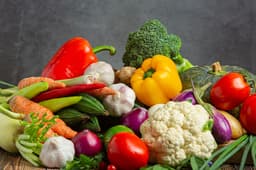
Many foods can help reduce inflammation and support healthy lungs. Foods high in antioxidants, such as berries, citrus fruits, and leafy greens, can help reduce inflammation and boost the immune system. Eating plenty of fruits and vegetables can also help improve overall lung health.
Vegetables
The vegetables that are best to maintain a healthy pair of lungs are pumpkins, cabbage, red cabbage, Brussels sprouts, savoy cabbage, broccoli, broccolini, cauliflower, bok choy or Chinese cabbage, turnips, bell peppers, cayenne peppers, turmeric, beets, beet greens, tomato, onion, garlic, ginger, carrots, horseradish, radish, and daikon.
Doctors suggest eating a range of colorful vegetables is essential as the color pigments contain compounds suitable for the lungs and the whole body. The cruciferous vegetables such as cauliflower, broccoli, cabbage, and bok choy contain sulforaphane, essential in lung maintenance and function. The red bell peppers and cayenne flavonoids are among crucial minerals such as magnesium, potassium, and vitamin C. Tomatoes contain lycopene, carotenoid antioxidants that improve lung health and processes. In contrast, turmeric, ginger, and garlic are antioxidants and can help reduce inflammation.
Leafy greens
Including dark leafy greens in your daily meal plan can keep your lungs healthy. Some include kale, Siberian kale, tatsoi, wild arugula, watercress, mint, garden cress, collard greens, spinach, Japanese mustard spinach, and swiss chard.
These leafy greens contain iron, potassium, calcium, vitamin A, vitamin D, and carotenoids, crucial to reducing inflammation of the lungs as they have anti-inflammatory and antioxidant effects. Notably, the chlorophyll in the leafy greens improves blood flow throughout the body, especially to the respiratory system, enhancing lung health and increasing oxygen levels in the blood.
Fish and meats
Oily fish, such as salmon, trout, sardines, herring, anchovies, mackerel, and tuna, are excellent sources of vitamin A, vitamin D, and omega-3 fatty acids, which help reduce inflammation and support healthy lung function. In addition, lean meats, including chicken, pork loin, chicken liver, lean ground beef, and turkey, can also help improve lung health and increase immunity and strength.
Grains
Whole grains, such as oats, quinoa, barley, and brown rice, also benefit people with chronic bronchitis. These foods are fiber-rich, which can help reduce inflammation and improve overall health. Whole grains contain healthy fatty oils, vitamin E, and antioxidant flavonoids like selenium. Many studies suggest that whole grains also reduce the risk of lung cancer. In addition, nutritionists recommend switching from processed grains to whole grains to improve overall health, as whole grains have a higher glycemic index and antioxidant properties.
Fruits
The fruits that are good for the lungs are apples, oranges, berries such as blueberries, raspberries, cranberries, strawberries, oranges, tangerines, mandarins, grapes, grapefruit, pineapple, lemons, mangoes, apricots, prunes, and pomegranates. The berries contain anthocyanins, a type of antioxidant and one of the essential components that keeps the lungs healthy. The grapes and grapefruit contain flavonoids such as naringin, crucial in suppressing cancerous growths.
Citrus fruits such as oranges, tangerines, mandarins, and lemons are rich in vitamin C essential for overall lung health. Apart from vitamin C and naringin, these fruits are rich sources of vitamins A, B, K, folate, choline, magnesium, beta-carotene, potassium, phosphorus, calcium, iron, and zinc, all of which are essential for the smooth function of the lungs, and the overall respiratory system.
Seeds and nuts
Healthy seeds are mustard seeds, wasabi, canola, rapeseed, Ethiopian mustard, flax seeds, pumpkin seed, sunflower seeds, and all kinds of lentils. These seeds are rich in phytochemicals, including vitamins C, E, magnesium, and potassium, which boost the immune system and strengthen the lungs. Brazil nuts, hazelnuts, walnuts, pistachios, and cashews can also be included in one’s daily meal plan. While walnuts contain abundant omega-3 fats, Brazil nuts contain selenium, which is excellent for improving respiratory functions and enhancing the immune system.
All lentils contain polyphenols which have antioxidant and anti-inflammatory properties. However, recent studies suggest that lentils have lung-repairing and cleansing properties.
Understanding chronic bronchitis flare-ups
The exact cause of a flare-up is not always known, but there are specific triggers that can increase the risk of a flare-up. Common triggers include exposure to cold air, irritants like smoke or dust, and particular treatments. Stress, fatigue, and weather changes can also increase the flare-up risk.
Identifying and avoiding triggers is essential to reduce the risk of a flare-up. Keeping a diary to note your symptoms and possible triggers can help you identify what may be causing the flare-ups.
Foods to avoid with bronchitis flare-ups
Certain foods may worsen the symptoms of chronic bronchitis and increase the risk of a flare-up. Therefore, avoiding excessive intake of saturated fat foods, such as red meat, processed meats, and fried foods, is essential. These foods can increase inflammation and make it harder for the lungs to function properly.
Avoiding foods high in sugar, such as sweets and sugary drinks, is also essential. These foods can dangerously cause an increase in blood sugar levels, worsening inflammation and causing breathing difficulties.
Tips for managing bronchitis flare-ups
In addition to following a healthy, balanced meal plan, certain lifestyle changes can help manage chronic bronchitis and reduce the risk of a flare-up. In addition, regular exercise can help improve lung health and reduce inflammation.
Also, knowing your triggers and avoiding them can significantly improve your condition. These tips can help manage your chronic bronchitis and reduce the flare-up risk. In case of any questions or concerns about your condition, it is best to consult a doctor at the earliest.