
Fight atopic dermatitis with these home remedies
Atopic dermatitis is a skin disorder that affects nearly 30% of people in the country. This disease causes inflammation in the skin, making it appear dry and itchy. For many people, this chronic condition can seem challenging to manage. However, various home remedies have proven effective in combating this disorder. Keep reading to learn more about some treatments you can use from the comforts of your home to reduce eczema flare-ups.
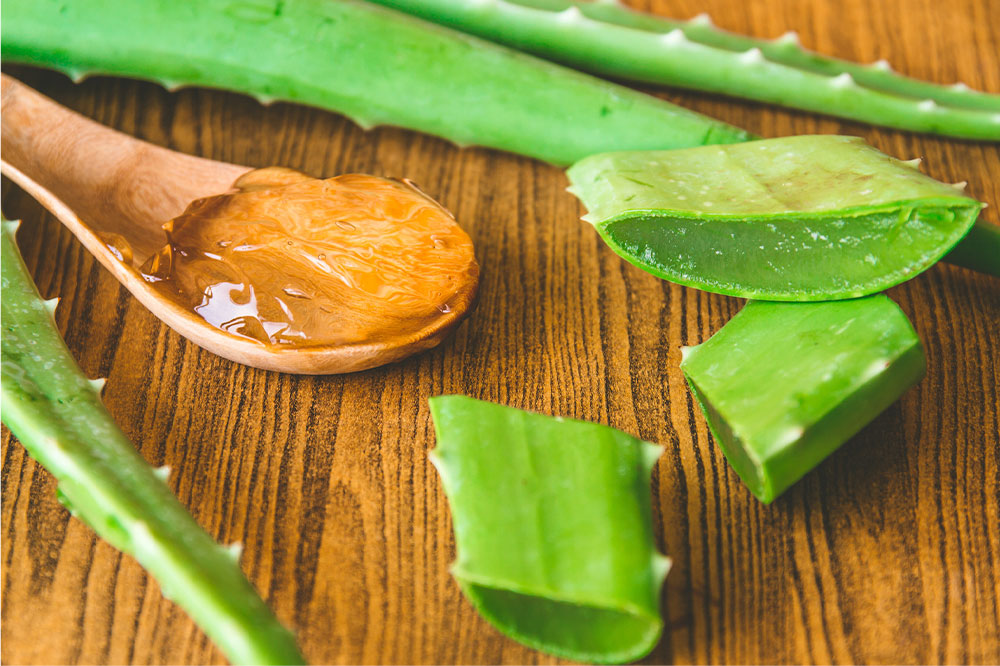
Aloe vera
People have used aloe vera for centuries to cure skin conditions like atopic dermatitis. Studies indicate that aloe vera gel has many natural benefits, such as strengthening the immune system and helping heal wounds. Aloe vera’s antibacterial and antimicrobial properties help prevent infections in dry, cracked skin. Opt for natural aloe vera gel instead of over-the-counter alternatives to avoid irritating chemicals.
Apple cider vinegar
People with skin diseases like atopic dermatitis find relief from their symptoms by trying the ancient remedy of apple cider vinegar. According to experts, apple cider vinegar can help manage this condition by helping the skin restore its acidity levels. Applied directly to the affected area or diluted with water and applied through a cotton pad on your skin, apple cider vinegar can help restore balance to troubled skin and reduce inflammation.
Colloidal oatmeal
Colloidal oatmeal, also known as Avena Sativa, is made from pulverized and cooked oats to extract healing qualities that soothe skin dryness and irritation. It does this by acting as an anti-inflammatory agent and absorbing moisture to protect the delicate skin. Colloidal oatmeal also has cleansing properties that help clear away excess oils and debris from the affected area without removing the necessary oils needed for healthy skin.
Coconut oil
Its unique combination of vitamin E and fatty acids can provide hydration while creating a barrier against further irritation and potential infection. Additionally, its anti-inflammatory properties make it a practical choice to soothe flare-ups. The oil also acts as a protective barrier to shield the skin from toxic elements, preventing contact with allergens. Moreover, virgin coconut oil reduces eczema symptoms in children within eight weeks.
Honey
People have been using honey, a natural antibacterial and anti-inflammatory ingredient, to treat wounds for a long time. Honey improves the immune system, enabling the body to fend off diseases. Honey contains antibacterial characteristics and can help treat skin conditions, including acne and psoriasis. In addition, it can speed healing, moisturize skin, and help prevent infections when applied directly to eczema-affected skin.
Tea tree oil
Tea tree oil is a popular and widely used remedy in managing eczema and other skin diseases. It works by reducing inflammation, fighting against bacterial and fungal infections, and increasing skin hydration. Its antibacterial properties make it an effective agent in preventing further breakouts and flare-ups associated with eczema.
Witch hazel
The witch hazel plant has been used for ages to soothe skin inflammation and itching associated with skin disorders like atopic dermatitis. Witch hazel is mainly known for its astringent properties, which help tighten the blood vessels near the skin’s surface and can reduce redness and swelling. In addition, regularly applying witch hazel directly to patches of eczema skin can be very helpful in reducing irritation and discomfort.
Organic soaps and detergents
The harsh chemicals in laundry detergent can worsen eczema. Certain agents like sodium lauryl sulfate are commonly present in body washes and cleansers to create a soapy lather. The lathering agents can cause the skin to become dry, especially in those with atopic dermatitis or other skin diseases.
On the other hand, organic soaps and detergents provide a healthy alternative to chemical-heavy ones, as they can help to reduce redness and irritation while restoring the skin’s moisture balance and creating a healthier environment. In addition, they are gentle on the skin without compromising cleansing power, meaning one can use them safely on even the most delicate skin types.
Nutritional changes
Some foods that you eat every day can also trigger eczema symptoms. Every food item consists of different minerals, some promoting eczema growth, such as vitamin D. Making a few significant changes to the nutritional regime might help lessen eczema flare-ups, like eating foods causing less inflammation. Additionally, certain food items have anti-inflammatory properties. Some of them include-
- Fish, beans, lentils, and leafy greens
- Organic veggies and fruits
- Cinnamon and turmeric
- Dairy products like yogurt
- Eggs
Besides these food choices, it is equally important to drink plenty of water throughout the day to keep the skin hydrated and moist, prevent flare-ups, and encourage healing.
Prescription treatment to relieve itching
Itching can be a particularly annoying and disruptive problem, so one can try certain prescription treatments in addition to these home remedies to ensure faster healing. You can apply an over-the-counter (OTC) corticosteroid cream, such as hydrocortisone, to relieve itching. In addition, you may try a menthol, camphor, or calamine-based anti-itching cream. However, it is always advisable to consult a dermatologist before taking any prescription treatment, as some may involve certain side effects.
When to consult a healthcare professional?
The home remedies mentioned above are effective to a great extent in managing atopic dermatitis and related skin diseases. However, in some instances, a dermatologist’s intervention is necessary. Persistent flare-ups that don’t respond to prescription treatments can signal an underlying health issue that only a qualified expert can detect. Additionally, consulting a dermatologist becomes even more essential if the person with eczema is young. They can recognize any potential allergic reaction and provide advice on products and moisturizers that may help reduce discomfort and irritation. Moreover, their personalized treatment regimen can go a long way toward providing relief for both short-term and long-term struggles with eczema.
Atopic dermatitis is a skin disease affecting many individuals, but one can keep its symptoms at bay with the help of various home remedies. From applying apple cider vinegar on skin-affected patches to using aloe vera gel and coconut oil, one can find plenty of items in your home to manage the itching, pain, and other atopic dermatitis-related problems. While individual reactions may vary, these natural ingredients are generally considered gentle and easy on sensitive skin. Examining what works best for you can take time, but it is a significant step toward fighting an uncomfortable health condition.
You May Also Like

Top 10 Moisturizers for Mature Skin
Mature skin can be described as wrinkled skin that is very thin and fragile. Since it appears like crepe paper, it is also called crepey skin. Our skin contains collagen and elastin, proteins that give it structure and form. Factors like exposure to the sun’s UV rays and aging break down these proteins quickly, leading to crepey skin. Our skin produces less collagen and elastin at 25, and crepey skin starts appearing at around 40.
How to prevent mature or crepey skin?
One cannot prevent age-related mature skin but can delay it with the right skincare tips. Mature or crepey skin commonly occurs on the upper arms, under the eyes, and around the neck and decollete due to prolonged sunlight exposure. Therefore, one must cover these areas by wearing full-sleeved clothing, sunglasses, and hats. Besides sun exposure, mature skin can result from reduced collagen and elastin production, pollution, stress, an unhealthy lifestyle, unhealthy food habits, and a poor skincare routine. One must learn about these risk factors and take the necessary steps to keep the skin healthy.
If a person feels their skin is becoming crepey despite trying different remedies, or if they notice a sudden or quick change in the structure of their skin, it is advisable to consult a dermatologist. In addition to moisturizers, skin specialists may recommend laser treatment using radiofrequency or ultrasound devices or skin revitalization therapy to improve the skin’s quality and delay the formation of wrinkles. A combination of home skin care and FDA-approved procedures can help.
Best moisturizers for mature skin
While continuous and long-term use of moisturizers can help improve crepey skin considerably, one must choose the right brand and product. What one uses for regular skin may not work for mature skin, as this skin type requires creams and lotions with unique ingredients. Keeping this in mind, we have listed the top moisturizers to consider:
Advanced Clinicals Retinol Anti-Aging Face & Body Cream
This anti-aging moisturizing cream from Advanced Clinicals is fragrance-free and enriched with retinol, hyaluronic acids, aloe vera, and chamomile. It reduces wrinkles and fine lines and rebuilds the skin affected by sun damage. It can restore crepey skin on the face, hands, under the eyes, neck, decollete, and other body parts. This cream is available in a 16-oz. jar.
African Botanics Svelte Cream
The African Botanics Svelte Cream is an intensive body sculpting and firming treatment that reinforces the skin’s structure, strengthens soft skin, and improves skin firmness. It can regenerate, revitalize, and stimulate skin growth. The product contains milk thistle stem cells, lotus leaf extract, capsaicin, caffeine, kigelia, marine red seaweed, natural salicylic acid from white willow bark, spirulina, and other natural extracts and oils. It is available in 6.7-oz. tubes.
Clarins Extra-Firming Cream
This cream from Clarins is made with plant extracts that help regenerate mature and crepey skin. Its continuous use can help improve skin tone to many notches. One can apply the cream after exfoliating the skin. The product is available in a 6.6-oz. tube.
Crepe Erase Advanced Body Repair Treatment
This product is developed exclusively to treat crepey skin. It is a concentrated formula with TruFirm® Complex and nine Super Hydrators™. Users may find noticeable differences even after the first use. The treatment immediately firms, smoothens, and moisturizes crepey skin, keeping it hydrated for about 72 hours. It is available in a 10-oz. jar.
Drunk Elephant C-Firma Fresh Day Serum
Drunk Elephant’s serum comes with a liquid serum base and an ascorbic acid powder, which must be mixed before application. One can use it in the morning or incorporate it into the regular skincare routine. The product contains pumpkin ferment extracts, ascorbic acid, ferulic acid, and vitamin E—all of which reduce sun damage and aid in smoothing and brightening the skin.
Hempz Original Herbal Body Moisturizer
Made with pure hemp seed oil, the Hempz Original Herbal Body Moisturizer is a vegan lotion in floral and banana fragrances. It has antioxidants and vitamins A, C, and E and is perfect for skin hydration. The product is also gluten, paraben, and cruelty-free. One can find this moisturizer in 2.25 and 17-fl.oz. packs.
Josie Maran Whipped Argan Pro-Retinol Body Butter
The Josie Maran Whipped Argan Pro-Retinol Body Butter prevents crepey skin. It contains pro-retinol, which hydrates, softens, and keeps the skin firm. The product uses 100% pure argan oil, quercetin, and Dunaliella salina extract and is available in 8-fl.oz. jars.
Natural Escapes Lavender Hand & Body Lotion
The Natural Escapes Lavender Hand & Body Lotion contains pure essential oils of lavender, ylang-ylang, aloe vera, and olive, besides other organic compounds. It helps nourish aging and crepey skin by preventing free-radical formation and increasing oxygen supply.
OSEA Anti-Aging Body Balm
The OSEA Anti-Aging Body Balm combines the benefits of a serum and lotion. The Alaria seaweed in it helps tighten the skin, while other ingredients like coconut, passion fruit, aloe, acai, and essential oils soften and keep the skin hydrated. The balm is suitable for all skin types and is available in 1 and 5-oz. bottles.
Revision Skincare Nectifirm
Nectifirm by Revision Skincare is an award-winning formula designed for crepey skin in the neck, jawline, and decollete. It improves wrinkles and fine lines and heals damage caused by UV rays. The product is available in 1.7 and 8-oz. packs.
Besides considering these options, one can look for crepey skin moisturizers specially formulated for the hands, such as the Salcoll Collagen anti-aging hand cream and J.R. Watkins hand cream. A good hand moisturizer will protect the hands against the sun’s rays, preventing cracking and pigmentation.
What to look for in crepey or mature skin moisturizers?
Moisturizers exclusively made for crepey or mature skin usually contain retinol and peptides as the main ingredients. Peptides are naturally occurring amino acids that stimulate the skin cells to produce more collagen and elastin, reduce inflammation in the skin, and keep the skin hydrated. Retinols are vitamin A derivatives that promote cellular turnover, and their continuous use can improve skin texture. Besides retinol and peptides, one should look for lactic, salicylic, glycolic, and hyaluronic acids that improve the appearance of the skin and keep the skin moist.

8 common triggers of itchy skin to be aware of
Are you constantly driven to scratch your skin due to an annoying itch? Do you feel helpless against the urge no matter how much lotion or cream you apply? Itchy skin can be incredibly irritating, but fortunately, it’s also a widespread problem, often associated with skin diseases. In this blog post, we look at some of the most common triggers that cause itchy skin and the steps to minimize them to alleviate the symptoms.
Eight common triggers of itchy skin
Excessive sun exposure
Excessive sun exposure can cause the skin to become itchy and inflamed due to the higher amounts of UV radiation. Those with susceptible skin may find that small doses of sunshine are uncomfortable and lead to breakouts, itching, and a prickly sensation. Not only is this bothersome, but it can also be potentially dangerous since people may be more likely to scratch or rub at the affected area and further damage their skin.
Many studies have found cancer patients complaining of itchy skin after radiation therapy using UVR. Hence, the studies conclude that UV rays from sunlight cause itchy skin. Therefore, it is advised to use antihistamines, sunscreens, and emollient creams.
To reduce itchy skin from sun exposure, one should use sunscreen with high SPF protection and limit their time outside when possible. Additionally, topical ointments or wipes may temporarily relieve sun-exposed skin irritations or diseases.
Age
Itchy skin and certain skin diseases like eczema can be annoying and uncomfortable, but it is even more common with age. As you age, your skin undergoes multiple changes, like becoming dry or being impacted by skin diseases like eczema or psoriasis.
As we grow older, our bodies produce fewer lipids to retain moisture in our skin, leading to lower hydration levels and causing barrier disruption. In addition, it triggers inflammatory responses like itching or flaking and intense sensitivity.
By ensuring adequate hydration, the right products can help protect your skin and keep it minimally reactive to external irritants.
Dry skin
Lack of moisture is one of the reasons for dry skin, which aggravates skin diseases and conditions like eczema. The common causes of dry skin include frequent hot-water baths, dry and hot climates, harsh chemical-heavy soaps, and exposure to intense sunlight. Chronic itch (that lasts longer than six weeks) due to dryness may indicate skin diseases such as atopic dermatitis and psoriasis.
To combat dry skin and itchiness, moisturize while reducing shower time, avoid extreme temperatures (hot or cold), limit using alkaline soaps, and wear loose clothing.
Chemical agents
Itchiness (a common symptom of skin diseases) is often caused by irritating particles in the air, such as chemicals, dust, or pollen. Chemical agents are notorious for inflaming the skin and triggering an unpleasant itch. Some of the common agents include:
- Nickel (commonly found in stainless steel and other jewels)
- Artificial fragrances in deodorants, body sprays, and lotions
- Household products, including floor cleaners and detergents
- Beauty products such as hair dye, cosmetics, sunscreens, and moisturizers
- The latex used in gloves, condoms, balloons, and baby bottles
Renal diseases
Renal diseases (or kidney diseases), like uremia, can be a troubling and debilitating group of ailments. One challenging symptom of this burdensome condition is itchy skin, ranging from mild to severe.
Uremia is a widespread illness caused by highly damaged kidneys that cannot filter poisons from the body. The back, limbs, and belly are the most typically affected areas. When someone is suffering from renal dysfunction, their ability to regulate nitrogen-rich substances and other minerals is interrupted, leading to dryness in the outer layers of the skin.
Seeking medical advice and attempting topical solutions are two popular choices for patients struggling with itchy skin due to renal diseases.
Hormones
Hormonal fluctuations are more predominant in women than men. Itchy skin can be an incredibly frustrating and uncomfortable experience that often occurs during hormonal changes like puberty and pregnancy. Our bodies are complex systems of hormones, so these imbalances can lead to inflammation, which manifests as itchy skin.
While certain moisturizers and lifestyle changes can help with the itchiness, addressing the root cause of your hormone imbalance is critical to genuinely finding relief from this symptom. Therefore, you must talk to a dermatologist if the symptoms persist.
Daily lifestyle
Factors such as food choices, stress, exercise, environmental allergens, and emotional states can play a role in causing itchy skin. Some lifestyle factors that can trigger itchy skin conditions are as follows.
- Inadequate consumption of dietary fibers leads to the poor gut microbiota, which fails to regulate skin inflammation.
- Frequent consumption of junk or processed foods promote inflammatory reactions.
- Inadequate sleep or erratic sleeping habits decrease the melatonin production required for healthy skin.
- High consumption of chocolates, crisps, and nuts causes itchy skin as they contain high levels of nickel.
Changing your meal plans or avoiding certain foods may help relieve the discomfort. Unfortunately, some stress-related itching cannot be avoided, so focusing on relaxation techniques and reducing stress levels is essential. However, exercise should be done in moderation to ensure that the body’s temperature doesn’t become too hot, which could cause excessive sweating and further irritation.
Systemic conditions
Several conditions in your internal organs may cause changes in body blood content, reflected in dry skin. Systemic diseases that cause itchy skin (and, possibly, a skin disease) include:
- Chronic renal failure
- Hepatitis
- Cholestasis of pregnancy
- Extrahepatic biliary obstruction
- Iron deficiency
- Hyperthyroidism
- Diabetes mellitus
- Hypothyroidism
- Blood cancer
Wrapping up
Various factors can cause itchy skin, including contact dermatitis, dry skin, allergies, or skin diseases. Thankfully, there are many ways to treat itchy skin and prevent it from happening in the first place. Look for signs of early onset of a severe medical condition like diabetes or cancer, and check with a dermatologist if you’re experiencing recurring symptoms. With knowledge comes power, so keep these tips in mind when dealing with itchy skin or any skin disease!

Hyperkalemia – Causes and Management Options
Hyperkalemia is characterized by increased potassium levels in a person’s bloodstream. For optimal health, maintaining adequate potassium levels is essential. Managing hyperkalemia by following a nutritious meal plan can help with this. As hyperkalemia can be deadly, it must be treated immediately after being diagnosed to prevent its symptoms. Below is a list of some of the nutritious foods that have helped lower potassium levels and some potassium-rich foods to avoid for managing hyperkalemia.
Hyperkalemia
Potassium is an essential nutrient, but excess potassium in the body can lead to conditions like hyperkalemia. It can cause serious heart problems, so it is crucial to be familiar with all the details of the conditions. Hyperkalemia symptoms are typically mild and non-specific and thus easy to miss. Muscle weakness, tingling, nausea, and numbness are the usual symptoms of the condition. When the potassium levels are high, one may experience shortness of breath, chest pain, and heart palpitations. Since sudden hyperkalemia can be life-threatening, it is better to seek immediate medical care if the symptoms arise.
Causes of hyperkalemia
One of the most prevalent reasons for hyperkalemia is kidney disease. The kidneys are tasked with the job of balancing electrolytes, including potassium. The kidney can compensate for high amounts of kalium when its functioning is only moderately impaired. But in the late stages of kidney disease, the kidney may lose this ability. Some drugs may interact with kidney functioning in such a way that it leads to inadequate removal of potassium. Another common cause is eating too many potassium-rich foods like cantaloupe, orange juice, bananas, honeydew melon, or other supplements. Less common causes of hyperkalemia include uncontrolled diabetes, Addison’s disease, and severe injuries or burn that cause the body to release extra potassium.
The nutritional regime for hyperkalemia
Since one of the most common reasons for hyperkalemia is the excess consumption of potassium, the best way to control it is by following a balanced meal plan. Even when triggered by other reasons like kidney disease or diabetes, modifying the meal plan is the best way to manage this health condition. Bear in mind that it is not possible to have a meal plan free of potassium, and neither is it healthy. A lot of nutritious foods contain potassium. Hence completely eliminating potassium from one’s regular meal plan may cause constipation and deficiency of several other essential nutrients. However, temporarily adopting a low-potassium meal plan is ideal. The following tips can help a person follow this:
Avoid foods with the high potassium content
It is best to avoid canned vegetables since they contain more salts than necessary and hence may increase potassium content in the blood. Fresh fruits like bananas, grapes, kiwis, mangoes, apricots, and dry fruits like plums, papaya, and raisins have high potassium content. Also, avoid spinach, butternut squash, potato, sweet potatoes, avocado, beetroot, eggplant, cereals with bran, and nuts like pistachios. It is important to control the intake of milk, yogurt, nuts, fish, and chicken. Fruit juices tend to contain artificial salt that is rich in potassium. So try not to drink more than 150 ml of fruit juice a day.
Reducing potassium from food
If one regularly consumes the foods mentioned above, eliminating these entirely may not be possible. So, one must try to reduce the amount of potassium intake. First and foremost, learning about foods and their nutritional values is important. It is helpful to be aware of the potassium content in foods. A person suffering from hyperkalemia should consume only 2,000 milligrams of potassium a day (as opposed to 2,600 to 3,400 milligrams recommended for a healthy adult). Potassium content from canned foods can be reduced by draining the water. In fresh vegetables, leaching is ideal. This process involves soaking vegetables in water and cooking them in 10x more water than vegetables. Wash the leached vegetables in cold water. Avoid large servings of tomato in all its forms (soup, sauce, puree, juice, etc.). Also, avoid foods like licorice, strong coffee, and chocolate.
Foods to manage hyperkalemia
Apart from steering clear of some foods, including foods low in potassium in one’s meal plan is important. Consider lean meats, shrimp, or eggs for proteins. Cauliflower, alfalfa sprouts, asparagus, green beans, broccoli, cabbage, cucumber, white mushroom, zucchini, and carrots are ideal vegetables for people with hyperkalemia. Turn to high-fiber grains instead of those with bran. Blackberry, blueberry, cranberry, peach, grapefruit, apple and apple sauce, cherry, strawberry, tangerine, and pears are fruits that are low in kalium.
Treatment for hyperkalemia
More often than not, a low-potassium meal plan is an ideal solution for hyperkalemia. But there are other alternative treatments. One’s healthcare provider will also likely modify the prescriptions apart from giving a person a meal plan with low-potassium foods. They might also ask a person to take specific pharmaceutical preparations to help the body eliminate extra potassium efficiently. These could be diuretics that make the kidney produce more urine, through which potassium is typically expelled from the body. Doctors may recommend certain prescription treatments for hyperkalemia. However, the same is not used for children and is usually more commonly prescribed when the potassium build-up is severe.
Consult with the healthcare provider
One must always make modifications to the meal plan with the help of a nutritionist or a general practitioner. Firstly, if hyperkalemia is comorbid with other conditions, it is important to understand which foods will impact one’s health adversely. It is also possible that food is not a cause of this condition. If the reason is an underlying condition like diabetes, the meal plan must be low in potassium and carbohydrates. But if the cause is kidney disease, one must limit sodium, calcium, and phosphorus. Doctors are better equipped to create a meal plan that will suit a person. But remember, it is important to consult with a doctor before making any changes to the meal plan or if the symptoms aggravate further.

Whitening toothpaste – tips, pros, and top picks
If one is looking for ways to get a confident, glowing white smile, then whitening toothpaste could be the answer. These products can help brighten the teeth by removing surface stains from teeth and using cleaning agents like hydrogen peroxide. However, with so many whitening options on the market, one may have to carefully choose the most suitable product. So here is everything one needs to know about choosing the right whitening toothpaste.
Tips for choosing the best toothpaste
Getting a bright, healthy smile starts with choosing the perfect toothpaste. Picking the right one requires careful consideration of factors such as toothpaste ingredients, flavors per one’s preferences, and the abrasiveness if one has sensitive teeth. One should also consider the price. So, here are a few tips for making the right choice:
Look for the ADA Seal of Acceptance: The ADA Seal of Acceptance indicates that the toothpaste has been checked for safety and effectiveness in preventing, controlling, and maintaining healthy gums, teeth, and other parts of the mouth. So, with the ADA seal, one can be assured that the toothpaste meets the criteria and trust the safety standards of the product.
Compare prices : One should look up each option on the market and consider checking customer reviews for the brand and the toothpaste to make an informed decision. Comparing prices can help one save money and get the most affordable yet effective product.
Check the ingredients: For optimal cavity prevention, one should opt for fluoride-based toothpaste. When shopping for whitening products, check the labels and avoid anything with artificial flavors, colors, or other additives. One may also watch out for Cocamidopropyl betaine (CAPB) and propylene glycol, which can trigger allergic reactions in some people.
Benefits of whitening toothpaste
Whitening toothpaste is the quickest and most affordable method to address teeth discoloration brought on by coffee, tea, and food stains. Here are other benefits of whitening toothpaste:
Strengthens enamel: A good toothpaste helps brighten the teeth and improve overall oral health. Additionally, whitening toothpaste can strengthen the enamel (the outermost layer of the teeth), helping protect the tooth surface against discoloration. A good toothpaste can also remove plaque buildup without irritating gums or soft tissues in the mouth. Further, it may help reduce teeth sensitivity, making it a versatile solution for many dental concerns.
Tackles staining: While regular toothpaste helps keep the teeth clean and healthy, whitening toothpaste is designed to remove stubborn surface stains from beverages like coffee and tea or foods like berries or tomato sauce. Unlike harsh whitening products, the abrasives in whitening toothpaste (calcium carbonate and calcium pyrophosphate) gently lift teeth stains away. Additionally, such toothpaste can also freshen the breath by fighting bad breath germs.
Boosts confidence: Having a brighter, whiter smile can boost one’s confidence and sense of pride regarding appearance. After all, who wouldn’t want pearly white teeth?
Top picks
Finding the right toothpaste involves consideration of factors like key ingredients, price, and customer reviews. The best toothpaste is one that contains optimal levels of abrasives, as a high abrasive concentration can result in the enamel wearing off and weakened teeth. Here are some of the best options for teeth whitening:
Colgate Optic White: The American Dental Association (ADA) has awarded this toothpaste its seal of approval. Unlike many other whitening products, Colgate Optic White targets extrinsic and intrinsic stains. Extrinsic stains develop on the enamel due to staining foods. On the other hand, intrinsic stains form in the mouth over time when extrinsic stains move beyond the enamel to discolor the dentin (inner tooth layer).
Colgate Optic White Renewal: The toothpaste offers professional-level whitening power with its unique blend of hydrogen peroxide and natural enzymes. It works to remove surface stains and penetrates to help make teeth four shades whiter. With this toothpaste, users can notice results in just one week and professional-level whitening in 4 weeks. The toothpaste is also enamel-safe and helps protect against cavities.
Tom’s of Maine Simply White Natural Toothpaste: This is the perfect choice for ensuring one’s teeth remain healthy and white. One of its ingredients is aloe vera, which has antibacterial and anti-inflammatory properties to scrub away teeth stains. Additionally, the toothpaste does not contain artificial colors and sweeteners, making it safe for sensitive teeth. Moreover, the natural ingredients in this toothpaste work together to provide a gentle yet effective cleanup.
Sensodyne ProNamel Gentle Whitening Toothpaste: Maintaining a healthy, white smile is easy using this gentle whitening paste. It is safe for daily use and helps strengthen enamel while providing mild whitening, thanks to the silica particles that gently scrape away stains. Additionally, the toothpaste offers cavity protection and fights acid erosion caused by certain foods or drinks.
Arm & Hammer Advance White Extreme Whitening Toothpaste: This toothpaste combines natural whitening ingredients and advanced strengthening elements to offer brightness while reducing teeth sensitivity. Its unique blend of baking soda, peroxide, peppermint extract, and lemon works to deeply penetrate the enamel to provide exceptional teeth-whitening effects that one can observe in a couple of weeks.
Crest Charcoal 3D White Whitening Therapy Toothpaste: Unlike traditional whitening toothpaste, the Crest paste uses charcoal to break up and remove tough stains on teeth brought on by coffee intake. The toothpaste also helps fight cavities and strengthen teeth with its fluoride formula. Further, it is formulated to help remove tartar buildup—a calcified deposit that decays teeth—that can cause gum disease.
Burt’s Bees Charcoal + Whitening Mountain Mint Toothpaste with Fluoride: Burt’s Bees is an excellent choice if one is looking for a toothpaste that packs a punch. Its unique formula consists of activated charcoal, known for its ability to absorb toxins from teeth and provide deep cleaning. It helps keep the teeth healthy and strong through its fluoride formula. Moreover, its minty taste will leave you feeling refreshed throughout the day.
So, finding a toothpaste that works for one’s oral needs is important. Looking up the toothpaste’s ingredients, price, and usage instructions is a crucial first step. Additionally, one must check the user reviews and speak to their dentist to pick the best teeth-whitening solution.

6 effective tips to relieve nasal congestion
One may have nasal polyps or congestion if one consistently wakes up with a stuffy, congested nose. In addition to making breathing difficult, it makes people feel uncomfortable, worn out, and heavy-headed, disturbing their sleep. Fortunately, there are a number of simple methods that may be used to help someone swiftly remove a nasal obstruction. We’ll go over six quick techniques to clear nasal congestion in this blog post so you can breathe easily in no time.
Main causes of nasal congestion
Nasal congestion results from swelling of blood vessels in the nasal passages or irritation to the tissues that line the nose from the inside. The most likely causes of nasal congestion are as follows:
Infection
Microbes, including bacteria, viruses, and fungi, attack cells and tissues of our body. The nose uses defense against these microbes by producing mucus (a sticky, slippery substance) which traps and expels them as snot. However, some highly active microbes cross the defense and cause infection, which induces inflammation, swollen nasal lining, or both.
Allergies
Certain allergens, such as pollen, dust, or skin flakes from cats or dogs, might cause an allergic reaction in some people. This causes the nasal lining to expand, resulting in cold-like symptoms, such as a clogged or runny nose, itching, and sneezing.
Acute sinusitis
A sinus infection often accompanies nasal congestion, a minor sinus inflammation. The sinuses (air cavities inside the head) form a passage to drain mucus from the nose into the lymphatic system. However, when mucus clogs the sinuses due to bacterial infection, they enlarge, leading to nasal polyps or nasal congestion.
Nasal polyps
Nasal polyps are non-cancerous swellings that can develop in the nose due to chronic inflammation. Though an allergy or infection may be responsible for their growth, it’s not always easy to determine the cause. These masses of tissue result in various irritating symptoms, including blocked nasal passages, temporary loss of smell, sneezing, and a constant urge to swallow. These benign yet troublesome nasal polyps may become larger if left untreated.
Chemical or environmental irritants
A person’s nasal lining is sensitive to several chemicals, such as formaldehyde, hydrocarbons used in paints, and automobile smoke. Moreover, some natural irritants include dust from construction sites and pollen released by flowers. These irritants induce inflammatory reactions that cause swellings in the nose or excessive mucus production, leading to nasal congestion or nasal polyps.
6 simple tips to get relief from nasal congestion
Use a humidifier
Using a humidifier is an effective way to provide relief from nasal congestion. Dry air can irritate the throat and cause it to become scratchy and irritated, leading to nasal congestion. In contrast, a humidifier infuses moisture into the air, which helps to loosen thick mucus and make breathing easier. Not only does this reduce the feeling of narrowness in the nasal passageways, but it also helps relieve a sore throat caused by nasal congestion. Additionally, by increasing moisture in the air, the humidifier may help eliminate skin irritation (due to dryness) and further reduce congestion.
Take a hot shower or steam
When nasal congestion has a person feeling stuffed up and irritated, a hot shower can be just the thing to clear the sinuses (or reduce nasal polyps). The steam from the hot water opens up airways, loosening mucus and providing instant relief.
Add a few drops of eucalyptus oil, tea tree oil, or peppermint oil to the bath for an extra boost of relief. In addition to relieving congestion, a hot shower or steam with essential oils may relieve physical and mental stress.
Consider nasal irrigation
Sinus rinses, especially nasal irrigation and sprays, can effectively treat nasal polyps and stuffiness. People recommend using them for temporary relief. Nasal rinses (or nasal irritation or neti pots) use a saltwater solution to break up and clean the mucus in the nasal passage. This method may also aid in the removal of debris, allergies, and air pollutants, which may aggravate the discomfort. A nasal spray bottle, which sprays a fine saline mist into the nostrils, can also help relieve dry nasal passages.
Warm compress
A warm compress may assist in alleviating nasal congestion by opening the nasal cavity from the outside. Soaking a towel in warm water, squeezing out the excess liquid, and placing it on the forehead or nose may provide soothing relief. It may relieve congestion-induced pain and relieve nasal congestion, and polyps.
Gargle with saltwater
Gargling with salt water can be an effective way to relieve nasal congestion. The saline solution works by reducing inflammation, thinning mucus, and improving lymphatic drainage – all of which aid in opening up one’s nasal passages. To try it, add one teaspoon of table salt to one cup of warm water, mix until dissolved, and gargle for a minute or two. Repeat this several times a day for the best results. However, one must avoid swallowing the entire solution (to keep nausea at bay).
Keep yourself hydrated
If one’s nose is clogged or a person experiencing flu-like symptoms, consider staying hydrated to thin out the mucus in the nasal cavity. This will force fluids out of the nose and relieve sinus pressure. Moreover, reduced pressure means less inflammation and irritation, thus reducing nasal congestion and nasal polyps.
Additionally, inhaling steam (from water mixed with ginger or eucalyptus oil) before going to bed may help ease nasal congestion.
Wrapping up
Nasal congestion is an uncomfortable condition to deal with. However, there are many ways one can get rid of it. One must try using natural remedies such as steam therapy or nasal sprays, consuming ginger and honey, or changing one’s environment to reduce allergies. Additionally, the six tips mentioned in this post should help a person find relief from nasal congestion and nasal polyps in no time.
If the methods above don’t work for a person, one must consult a physician who can provide more helpful advice and the right treatment options. The key is to stay informed and take action as soon as possible to begin breathing normally again as quickly as possible.