
How to prepare for a dental implant
Today, improved technology has made dental implant surgeries easier and relatively painless. However, it is natural to be a little anxious before any such procedure. To clear your mind beforehand, you can consult your dentist and discuss your queries. Always disclose your complete oral history to the dentist so they know what to be prepared for. In addition, you must know how you can prepare for dental implant surgery, especially if it’s your first time.

What are dental implants?
Dental implants are titanium screw-shaped artificial tooth roots. They replace the natural root of a missing tooth. The implants must be placed in the jawbone, so minor oral surgery is required to attach them correctly.
Getting dental implants requires a progressive series of appointments. This includes consultation, placement of implants, and placement of crowns. Once the surgery is over, the dentist may also schedule follow up appointments.
A dental implant replaces one or more permanent teeth lost due to an injury, gum disease, tooth decay, or infection. During your initial meeting with your dentist, they may discuss different options for replacing your teeth. Dentures and bridges are examples of these alternatives.
Dental implants – Procedure, preparation, and tips
Before you proceed with a dental implant operation, consider the following tips.
Choose a date for a dental exam
A visual inspection of your mouth, x-rays, and a review of your health records may be part of your dental examination. With this information, your dentist will create a dental implant process plan, taking unique factors into account, like the cause of the missing tooth, oral health, any possible allergies, and so on, based on your health.
They will go over their plan with you so that you know what to expect at each stage. This is a good time to inquire about the procedure’s date, expense, and the number of sessions needed.
Follow what the dentist prescribes
Before the procedure, confirm which supplements would be safe. A study suggests stopping the intake of vitamin C, aspirin, and omega-3 fish oils at least one week before surgery.
Dentists may prescribe remedies if you are dealing with any chronic illness or other issues. Any prescribed antibiotics will function as a substitute immune system, preventing early implant failure. Additionally, you will be asked to rinse your mouth with an antimicrobial mouthwash to keep germs away from the operated area.
Prepare your jaw for bone grafting
A bone graft (replacing bone tissue of the natural tooth) may be required to support an implant if your jawbone is soft or if a tooth has been missing for a considerable period of time. It reconstructs the damaged area of your jawbone to provide added strength. Thus, avoid eating anything hard food that may hurt or injure your jawbone before the surgery. A well-rested jawbone is what will help you during as well as after the procedure.
Prepare healthy and light meals
A nutritious meal plan promotes healing after surgery and provides your body with the resources it requires to support dental implants. In the weeks coming up to your surgery, consume plenty of fruits, whole grains, and veggies. Additionally, before undergoing surgery, you should purchase or prepare soft foods such as smoothies, noodles, and soups. For a few days after the procedure, your sore gums will not be able to bite into or chew hard foods.
Extracting juice from fruits and veggies is one of the ways to reap their advantages. Nutritional shakes can also meet your body’s food needs during this time. However, you must avoid eating anything spicy or acidic because it may irritate the gums and act as a bacterial magnet.
Make proper preparations
Ensure you get enough rest on the night before surgery. While some patients can return to work within three days of the surgery, observing caution and avoiding vigorous schedules is advisable. Avoid major or stressful events for at least a week after the implant operation. In certain situations, your dentist may also suggest a diet to be followed in terms of hot/cold foods.
Ensure oral hygiene
You must maintain good oral hygiene to ensure an effective dental implant surgery. Instead of brushing your teeth vigorously, be gentle. Use a super-soft toothbrush easily available in departmental stores. Regular flossing and mouthwash after each meal also help to keep your mouth clean, and protect you against infections/cavities. It is imperative to consult your dentist and opt for a long-lasting mouthwash that keeps your mouth fresh and clean.
Get sufficient rest
Sufficient sleep is essential for overall health as it boosts productivity, concentration, and fitness, but it’s especially critical before surgery. In the week preceding your dental implant treatment, get at least eight hours of sleep per night. If it is pertinent to your particular operation, ask your dentist if there are certain sleeping positions they advise to avoid putting pressure on your mouth before or after the surgery.
Immediate aftercare suggestions
Following your dental implants, you may most likely feel slight pain or swelling. However, this is quite common and not something to worry about. When your surgery is over, you should:
Nibble on the sponges placed in your mouth to halt the bleeding.
Avoid excessive movement and keep your head elevated during the first 8 to 12 hours after the operation.
Place an ice pack on your face for 15 minutes when necessary.
Only consume soft meals and beverages for the first 24 hours.
Take prescription treatments strictly as directed by your doctor.
For the first 24 hours, avoid using mouthwash.
In conclusion
Good dental hygiene plays a significant role in ensuring mental and physiological well-being. What you eat has a direct impact on your health, mood, and daily productivity. Dental implants can help to replace your missing teeth, restoring a natural smile, ease of interaction, and convenience in eating what you love! Preparing for a dental implant procedure is not difficult; you must follow your dentist’s post-surgery care steps. You should select a reputable and effective dental clinic that can meet your individual needs and expectations.
You May Also Like

8 organic detergents for fresh smelling clothes
Fragrances can trigger memories as they help you relax and find enjoyment in the things you do. The fragrant detergents serve the additional purpose of keeping clothes smelling fresh days after they have been washed. They also remove the monotony of laundry and make it more enjoyable. You may be surprised, but lavender is the most popular fragrance for laundry as it calms the person wearing the clothes or using the linen.
Benefits of organic fragrances
It is now common knowledge that detergents are made of thousands of chemicals. You may think a spoonful of detergent powder or a capful of liquid detergent cannot harm you. These detergents contain fragrances, neurotoxins, carcinogens, and endocrine disruptors. The chemicals emitted through dryer vents can go outside or circulate within the house, affecting air quality. When you and your family continuously breathe the same air, the risk of ingestion is relatively high. Fragrances are among the top five asthma triggers as they contain phthalates, which are also linked to diabetes, high BMI, hormone disruption, and growth issues.
With the increased risk to human health, aquatic life, and the environment, governments are placing many restrictions on what ingredients can go into household cleaning products. In contrast, organic fragrances are made with essential oils and plant-based enzymes. Some chemicals may be used in the extraction process of these oils, but the percentage could be as less as 25%. Since there are fewer chemicals, they are less likely to cause allergies, skin issues, and respiratory diseases. Organic detergents are generally concentrated, and you only need a little for every wash, making it economical in the long run.
Choose certified and tested non-toxic and organic detergents
Spend time to understand what chemicals are toxic and hazardous and check if your detergent does not contain them. To buy organic detergents, look for approvals from the Environmental Protection Agency, Environmental Working Group (EWG), and the Organic certification from the United State Department of Agriculture. These certifications guarantee that you are buying genuinely organic products. If anyone in your family is prone to allergies, read the ingredients to ensure that the organic detergents are free of those allergens. Organic detergents are generally more expensive than conventional detergents. If you want to save on cost, you can choose detergents that contain non-toxic and safe chemicals. Here are some recommendations for organic detergents and detergents made with safe and approved chemicals.
Top organic and non-toxic detergents to keep clothes smelling fresh
Now detergents are available in various forms – conventional powder, liquid detergents, laundry pods, tablets, sheets, and specialty products to suit various skin types and types of washers and dryers. You can find safe organic detergents with safe fragrances in each category. Here are some recommendations:
Safely Everyday Laundry Detergent
Safely Everyday Laundry Detergent can fight the toughest food and sweat stains, remove associated odors, and keep your clothes smelling fresh. It is made from coconut oil and plant-based enzymes. It works well on white, light, and dark-colored fabric. It is effective in washing multiple fabric types, including cotton, linen, and synthetic blends. It is made with a pH-balanced formula and is safe for the skin. The rise has notes of orange flower, jasmine, violet, dry woods, geranium, and Bois de gaiac – a French musk-based perfume. It helps your clothes stay fresh long after washing.
Mrs. Meyer’s Clean Day Liquid Laundry detergent
Families that use Mrs.Meyer’s detergents stay loyal to her brand as the detergents are tough on stains, gentle on clothes, and leave a meadowy fragrance that is not too overpowering. The Clean Day Liquid detergent is concentrated, biodegradable, and made with plant-based enzymes. It can be used in all types of washing machines. It comes in a honeysuckle fragrance made with essential oils. A 64-fluid-ounce bottle will last for 64 loads of laundry. It is also available as detergent pods in lemon verbena scent.
Seventh Generation EasyDose Laundry Detergent
It is called EasyDose as it has an Auto-Dosing technology embedded in the cap. Flip the bottle upside down and squeeze, and it stops once you measure the appropriate amount of detergent for a load. It comes in a compact 23 oz bottle that you can use for 66 loads of laundry. The highlight is that it comes in a lavender scent made 100% from essential oils. This can be the perfect detergent for you if you have a soft corner for lavender.
Dirty Labs Laundry Detergent Signature
The Dirty Labs Liquid Laundry detergent ticks all the right boxes as it is hyper-concentrated, contains non-toxic ingredients and is very effective in removing stains and odors. The Signature detergent has scents of magnolia, Bergamot, and cedar. It is available in a convenient 8.6 fluid-ounce package that can wash 32 loads. It is free from any synthetic dyes, parabens, or preservatives.
Molly Suds Dryer Sheets
Molly Suds Dryer sheets keep clothes smelling fresh. These sheets are made with plant-based enzymes and ingredients. The sheets are small in size and ideal for small loads. Molly Suds dryer sheets come in peppermint and lavender fragrances.
Grab Green 3-in-1 Laundry detergent pods
Grab Green is an eco-friendly detergent with pre-measured powder in each pod. One bag contains 60 pods with notes of natural lavender and vanilla scents. They are convenient to use and safe as they do not contain any harsh chemicals in the form of surfactants or optical brighteners.
Gain liquid detergent with essential oils
Gain liquid detergent has notes of orange and grapefruit that are ideal mood lifters. It is free of parabens, phosphates, and dyes. It works wonders on stains and odors and is available in 42 fluid-ounce bottles that can wash 42 loads.
Maison Francis Kurkdjian Laundry Detergent
Maison Francis is a luxury perfume brand. Their laundry detergent is infused with Aqua Universalis, one of their popular perfumes, and is available separately for bright and dark colors. It is available in 34 oz containers and has notes of Bergamot, lemon, white bouquet, Egyptian jasmine, Moroccan roses, and light and musky wood.

9 Rare Coins That Are Worth a Fortune
Collecting precious coins can be more than just a hobby, as rare coins are good not only for the collection but also for the pocket. Coins with accidental defects have emerged as rare and valuable over the decades and are often worth a sizable amount. Today, several vendors selling such coins have emerged in the online space. Here is a list of a few such rare coins one can find today:
The 1804 Silver Dollar
The 1804 silver dollar is worth over $5 million if sold in good condition. Today, only 15 samples of this coin are known to exist. Surprisingly, although the coin is referred to as the “1804 silver dollar,” 1804 is not the year when it was first minted. These coins were first minted around 1834–35 when the U.S. Department of State decided to gift coin sets to Asian rulers who agreed to grant trade concessions to the country. The coin is categorized into three classes based on the period of its inception. Class I coins were minted during the 1830s and presented to Asian rulers. Class II coins are the ones minted from 1858 to 1859 as an experiment by U.S. Mint employees. Finally, the Class III coins also came into existence in the 1858–59 period to be presented to certain favored collectors.
The 1794 Flowing Hair Silver Dollar
This coin is worth $10 million and is extremely rare to lay hands on today. The primary reason for its high value is that less than 1,800 such coins have been minted from the time of its inception in 1794–1795. The coin entails Lady Liberty with flowing hair on its front side, and an American eagle embossed on the flip side. It was developed following a study conducted by President George Washington and Alexander Hamilton, who suggested that Congress should come up with a national mint. Consequently, the 1794 Flowing Hair Silver Dollar was the first government-minted coin.
The Turban Head Eagle
The Turban Head Eagle, also known as the 1804 Eagle Gold, Capped Bust, or the Capped Bust Eagle, was a government-minted coin from 1795 to 1804. Designed by Scottish-American engraver Robert Scot, this coin was the largest denomination to be authorized by the Mint Act of 1792. The production of these coins was discontinued in 1804, re-emerging three decades later in 1834 to be used in diplomatic presentations. Although Liberty wears a cap and not a turban, her headgear is ensconced by her thick locks, making it resemble a turban. Today, the turban head eagle is worth $5.1 million.
The 1787 Brasher Doubloon
These coins were first minted by Ephraim Brasher, a goldsmith, in the latter half of the 18th Century. Known as the “Holy Grail” of coins, it was the first gold coin to be minted in the country and is considered among the most important ones in history. The coin depicts the state seal and the rising sun on the front and the American eagle and a shield on the other side. With only seven samples of this coin having ever been minted, the 1787 Brasher Doubloon can fetch anywhere from $5 million to over $9 million today.
The 1885 “Trade” Silver Dollar
With only five such coins available today, the 1885 “trade” silver dollar is among the rarest coins in the country’s numismatic history. The coin was designed by engraver Charles Barber, and its existence came to be discovered nearly 25 years after its inception. As a result, there were fleeting doubts regarding its year of minting. However, research by Carl Carlston revealed that the 1884 and 1885 “trade” silver dollars were, in fact, produced during these years. Although the coin was worth about $1,600 in the early 1950s, its value has risen considerably over the decades. Today, the 1885 “trade” silver dollar is worth over $3.5 million if it is well-preserved.
The 1870 Three-Dollar Gold Coin
There exists only one known sample of this coin today, which was last valued at $687,500 in 1982. Historians believe that another sample of this coin was probably buried in a cornerstone of a San Francisco building a long time ago.
The 1343 Edward III Florin
This coin is regarded as among the world’s oldest and most expensive coins. The 1343 Edward III Florin coin is among the only three pure gold coins available today. Here, one side depicts King Edward III seated on his throne, flanked by leopard heads on either side, while the flip side features the Royal Cross ensconced in a quatrefoil. Today, two of these coins have been preserved in London’s British Museum and are priced at $6.8 million.
The 1873-CC Seated Liberty Dime
The 1873-CC seated liberty dime is regarded as the only unique coin from the Carson City Mint, which is said to have minted its coins using gold derived from nearby mines. Today, these dimes are worth approximately $2.7 million.
The 2000 Sacagawea “Cheerios” Dollar
The story behind this coin is as interesting as its name. Originally, the government minted these coins to promote the 2000 Lincoln Cent, or the “Golden Dollar,” by placing them inside over 10 million boxes of Cheerios, the signature breakfast cereal nationwide. However, the coins were accidentally minted erroneously, with the eagle tail feathers being engraved on the flip side of the coin. Today, there exist about 70 Sacagawea Cheerios coins, which are priced at around $25,000 per coin.
While coin collection can be a highly rewarding activity, the process requires considerable research on the market prices of various government-minted coins. It is always a good idea to buy or hold on to coins that are likely to increase in value. Finally, one should be sure to study numismatic terms, such as “face value,” “intrinsic value,” and “circulation coins” before taking on this endeavor.

7 Common Peeing Mistakes to Avoid for a Healthy Bladder
Peeing is such a natural part of our daily lives, that we rarely stop to think about it. It is an important bodily function that helps get rid of waste that the body does not need anymore. Moreover, peeing habits and hygiene practices can contribute to a range of urinary and bladder issues over time, impacting one’s day-to-day activities. Here are seven common peeing mistakes to avoid for a healthy bladder.
Holding pee in for too long
At times, holding pee in is unavoidable, whether at concerts or long car trips. However, making it a habit can be detrimental to bladder health. Full bladders are more susceptible to infections as the bacteria can grow and multiply at a quicker rate. Over time, the practice of holding urine in for too long can also stretch out the bladder and cause loss of bladder function.
On the other hand, those who are not able to hold their bladder at all or suffer from urinary incontinence must visit a urologist or pelvic floor therapist for a proper diagnosis.
Not emptying the bladder fully
When peeing, it is important to empty the bladder fully. Failing to do so can stretch out the bladder and contribute to bladder troubles over time. This may not always be a conscious decision, it may occur when someone is in a rush or has urinary retention (a common symptom of blockages, infections, swelling, or even neurological conditions).
Some symptoms of urinary retention include pain or swelling in the lower abdomen, frequently urinating in small amounts, feeling the urge to pee even after urinating, and having a slow stream.
Staying dehydrated
This is one of the most common mistakes to avoid for a healthy bladder. Our fluid intake plays a crucial role in maintaining bladder health. Drinking the right amount of water makes the pee appear clear or light yellow. Dark yellow or amber urine is a sign of dehydration, which can increase the risk of UTIs and kidney stones. To maintain kidney health and bladder function, keep sipping on water throughout the day.
Having excessive caffeine
Caffeine is a known bladder irritant, which means it can increase the urge to pee and cause pain. It is commonly found in tea, coffee, and soda. Excessive caffeine intake can increase the urge to pee throughout the day, impacting the quality of life and productivity. According to the FDA, 400 mg of caffeine (or about 4 cups of brewed coffee) per day is considered a safe amount for most healthy adults.
Ignoring recurrent UTIs
Urinary tract infections (UTIs) occur when bacteria infect the urinary tract, bladder, or kidneys. Some common symptoms that people experience include a burning sensation during urination, frequent urination, a strong urge to urinate, and foul-smelling urine.
The risk for UTIs increases with anatomical issues, pregnancy, and menopause. Since women have a shorter urethra, they are more susceptible to UTIs in comparison to men. Among adult women, a recurrent UTI is diagnosed as having over three infections in a year. However, since men are less likely to experience UTIs, they must receive medical attention immediately.
Not paying attention to pinkish or reddish urine
Several factors determine the color of our urine, including the amount of fluids we consume and the food we eat. Passing pinkish or reddish urine can be a sign of hematuria or blood in the urine. It could be a result of a UTI, kidney disease, stones, injury, or even bladder cancer.
Consuming too much vitamin C
Vitamin C is highly regarded for its immune-boosting properties. However, consuming too much vitamin C increases the oxalate levels in the body, which in turn, increases the risk of kidney stones. According to the FDA, the recommended daily intake of vitamin C for adult men and women is 90 mg per day and 75 mg per day respectively.
Tips to keep the bladder healthy
Here are some tips that may help manage bladder health.
- Use the washroom as required and try to pass urine once every three to four hours to reduce the risk of bladder infections.
- When peeing, be in a relaxed position and don’t rush to finish. Take enough time to fully empty the bladder.
- Women must wipe from front to back, especially after passing stool. This reduces the risk of any gut bacteria finding its way to the urethra.
- Urinate after intercourse to reduce the chances of UTIs.
- Doing pelvic floor exercises regularly can help strengthen the muscles around the bladder and keep infections at bay. Moreover, exercising regularly can help reduce constipation and prevent bladder problems.
- Wear cotton underwear to keep the area surrounding the urethra dry; moisture can lead to increased bacterial growth.
- Certain foods and drinks can increase the risk of bladder problems, including sodas, artificial sweeteners, and spicy foods. Keeping a close watch on food intake can help.
- Drink lots of fluids, especially water. While the required water intake can change from person to person depending on where they live, their activity levels, health conditions, and other factors, aim to drink 6-8 glasses of water per day.
- Avoid drinking caffeinated beverages such as coffee, tea, and sodas as they can irritate the bladder and increase the frequency and urge to urinate.
- Stool buildup in the colon can also increase the pressure on the bladder, not allowing it to expand to its full capacity. Avoid this by eating high-fiber foods such as whole grains, vegetables, and fruits and staying hydrated.
- In case of frequent urination, keeping a bladder diary can help track one’s washroom trips and fluid intake throughout the day.
- Stand up and move around for five minutes after every hour of sitting to reduce the risk of developing lower urinary tract symptoms (LUTS) such as incomplete emptying, urinary frequency or urgency, or a weak urinary stream.

Important things to consider before applying for bad credit loans Things to consider while taking out bad credit loans Things to avoid while taking out bad credit loans
Most people with bad credit scores often struggle to get a loan. At first, it can be quite frustrating. Fortunately, today various lenders may offer loans ranging from $500-$5000 or above for bad credit. It can make things easier for individuals with poor credit scores. Nevertheless, one must be careful while taking out such loans. Hence, here are some important things that one must keep in mind during the process.
Things to consider while taking out bad credit loans
Keep an eye out for the best deal
In most cases, bad credit scores mean unfavorable terms for the borrower. However, this is not always the case. Some lenders can provide individuals with better negotiation terms and rates. So, to make the best of these bad credit loans, one must conduct thorough research and find lenders that can meet one’s requirements and preferences. Furthermore, one must look for the best deal with the most favorable terms. It includes transparency about the interest rates and additional fees.
Besides this, one must carefully read through the document. Then, the final decision can be made based on all the information provided in it.
Focus on the needs, not luxury
While it can seem tempting to take out a loan to buy luxurious items, it cannot be considered a wise investment. So, one must always consider all the needs and take out the loan accordingly.
If one finds this hard, try to make things easier by setting a clear budget that specifies all the needs that must be met. Although refraining from temptations can be tough, prioritizing one’s needs over luxuries and other irrelevant items can aid one in managing finances without falling deep into debt.
Consider having a co-signer
Sometimes, if a borrower has a bad credit score, it can become challenging for them to take out a bad credit loan all on their own. In such cases, asking a trusted family member or a friend (preferably a person with a good credit score) to act as the co-signer can be beneficial. It can help one get loans on better terms and even a lower interest rate.
But in such circumstances, one must remember that if one can’t repay the loan, the co-signer immediately becomes responsible for repaying it. So, before making the final decision, one must have a solid loan repayment plan in place.
Additionally, one must make sure to inform the potential co-signer about one’s financial situation in detail so that they can make an informed decision.
Know all the lending terms and conditions
Typically, all credit institutions and lenders have a set of lending terms and conditions that the borrower must meet and agree upon. In most scenarios, this must happen before one signs up for the loan.
Unfortunately, most people do not read through these terms and conditions carefully as they find it difficult to understand the technicalities and the jargon used in the document. However, these terms mention the necessary details of the loan, such as the debt amount, frequency of payment, the agreed rate of interest, and the implications of default payments. So, it’s important for borrowers to read the terms and conditions carefully before taking out the loan.
Things to avoid while taking out bad credit loans
Borrowing more than one can afford
Sometimes, it can be compelling to borrow a loan amount that exceeds one’s affordability, especially if one’s financial situation isn’t good. But during such trial times, one must consider the interest that has to be paid on the loans for bad credit, particularly in cases where the amount exceeds the $500-$5000 range.
Therefore, it is advised to take a closer look at the budget and one’s financial situation and realistically determine the amount that can be paid to the lender every month. If needed, set a loan limit to ensure one never borrows more than the set amount.
Falling for scams
In rare scenarios, issues such as a bad credit score can make one susceptible to potential scammers. So, before agreeing to the loan, one must be wary of indicators like approval of a loan without considering the credit score and fee requests before processing the loan application.
It is because most trustworthy lenders and credit institutions perform a check of the borrower’s credit history and worthiness. They do not ask for additional fees until the loan is approved. Therefore, if one finds a lender that makes shady promises and requests, chances are high that they are scammers trying to take advantage of one’s financial situation.
Making late payments
Usually, when one’s loan request is approved, one may find the amount quickly credited to the account. While this can be convenient for most individuals, the repayments should also be made at the right time. In cases where one makes the mistake of late payments, it can negatively impact the credit score. It can worsen matters as the lower the credit score, the more difficulties one may face in getting loans. Also, default payments can hamper one’s trustworthiness, which can cause the lender to refuse larger loans.
Therefore, even if the loan amount ranges between $500-$5000, one must be mindful of the abovementioned factors while taking out a bad credit loan. This way, one can avoid all the potential pitfalls and make the best of the current financial situation. Furthermore, one must remember that defaulting on loan payments can result in legal action. So, pay back the loan amount as soon as possible or contact the lender and discuss all the options. If one faces difficulty figuring out the best lender who matches one’s situation and requirements, seek professional advice or look out for various lenders online to make a well-informed decision.
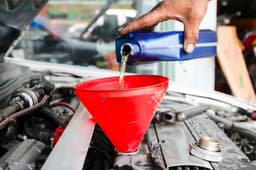
7 Common Engine Oil Replacing Blunders to Avoid
Engine oil is one of the essential components of any vehicle, as it helps to keep the engine components lubricated, prevents the build-up of dirt and debris, and helps to reduce engine wear. Unfortunately, many people must correct their mistakes when replacing engine oil, which can lead to costly repairs and a shortened engine life span. Therefore, this article will examine the five common engine oil replacement blunders and how to avoid them.
Wrong timing
One of the most common engine oil replacement blunders is not following the manufacturer’s recommended oil change interval. Different manufacturers recommend different oil change intervals, so it is crucial to ensure you follow the correct one. If you do not, it could lead to your engine oil becoming dirty or degraded, which can cause damage to your engine.
It is also important to remember that oil change intervals can vary depending on your vehicle’s use. For example, if you drive your car for short trips or in stop-and-go traffic, you may need to change your oil more frequently than driving long distances on the highway. Check your owner’s manual for your vehicle’s recommended oil change interval.
Inaccurate mileage
Another common engine replacement blunder is not following the manufacturer’s recommended oil change mileage. Many modern vehicles come with oil change reminders that tell you when to change your oil based on the mileage your vehicle has been driven. Follow these reminders to avoid getting dirty or degraded engine oil.
It’s also important to remember that oil change intervals can vary depending on your vehicle’s use. For example, if you drive your car for short trips or in stop-and-go traffic, you may need to change your oil more frequently than driving long distances on the highway.
Incorrect oil
Another common engine oil replacement blunder is using different oil for your vehicle. Other cars require different types of oil, so each car’s manufacturer recommends that it is good for the vehicle to use the correct type. If you use the right kind of oil, it can lead to better lubrication and an increase in engine performance.
It is also essential to ensure you use the correct oil viscosity for your vehicle. Viscosity measures how thick or thin the oil is, and using the wrong viscosity can lead to poor engine performance and increased wear. Check your owner’s manual for your vehicle’s recommended oil viscosity.
Unsuitable filter
Another common engine oil replacement blunder is using a different oil filter. Other cars require different oil filters, and using the wrong type can lead to poor lubrication and increased engine wear. Ensure you are using the correct type and size of oil filter for your vehicle.
It is also vital to ensure you are using a quality oil filter. Cheap oil filters can have a shorter lifespan and may not be able to properly filter out dirt and debris, which can lead to engine damage. Make sure you’re using a quality oil filter from a reputable brand.
Forgetting to tighten the oil drain plug
Another common engine oil replacement blunder is forgetting to tighten the drain plug. The oil drain plug is a small bolt that holds the oil pan in place, and it needs to be properly tightened to prevent oil leaks. If it is not tightened correctly, it can lead to oil leaks and engine damage.
Check the oil drain plug after you’ve changed the oil and ensure it’s properly tightened. If it is not, tighten it until it is, and then recheck it to ensure it is tight. This will help to prevent oil leaks and keep your engine in good condition.
Not lubricating the oil filter gasket
Another common engine oil replacement blunder is forgetting to lubricate the oil filter gasket. The oil filter gasket is a small rubber ring that seals the oil filter in place, and it needs to be adequately lubricated to prevent oil leaks. If it is not lubricated correctly, it can lead to oil leaks and engine damage.
Make sure to use the correct type of lubricant for your oil filter gasket, as some types of lubricant can damage the gasket. This will help to prevent oil leaks and keep your engine in good condition. It is safe in the long run to use the same kind of lubricant the manufacturer recommends for your vehicle.
Incorrect oil levels
Another common engine oil replacement blunder is not checking the oil level after replacing the oil. It is vital to ensure the oil level is correct after an oil change, as an incorrect oil level can lead to poor lubrication and an increase in engine wear.
Check the oil level after changing it and ensure it is correct. If the oil level is too low, add more until it is accurate. If the oil level is too high, drain some oil until it is correct.
Tips on avoiding common engine oil replacement blunders
Now that you know the five most common engine oil replacement blunders, here are some tips on how to avoid them:
- Make sure to follow the manufacturer’s recommended oil change interval and mileage.
- Make sure to use the correct type and viscosity of oil for your vehicle.
- Make sure to use the right type and size of oil filter for your car.
- Check and tighten the oil drain plug after an oil change.
- Finally, make sure to lubricate the oil filter gasket properly. Remember to check the oil level after an oil change.
By following these tips, you can ensure that your engine oil replacement is done correctly and your engine is kept in optimal condition.
For those who do not want to DIY
There are numerous service outlets throughout the country, and you can choose the one nearest to your location or home. However, if you want to avoid getting your hands dirty or need more time or mind space to get this done, you can take your car to the nearest oil change station. Some of the country’s best oil change stations are Official Ford Instant Oil Change, Quick Lane, and Valvoline Instant Oil Change center (VIOC). These oil or lube change service stations also offer discounts and offers from time to time which you can benefit from.
Conclusion
If you follow the tips outlined in this article, you can ensure that your engine oil replacement is done correctly and your engine is kept in optimal condition. By avoiding these common engine oil replacement blunders, you can keep your engine running smoothly for years.