
Pulmonary Fibrosis – Food Plan and Management Options
Pulmonary fibrosis is a rare disease that causes scarring in the lung tissues, causing breathing difficulties. On the other hand, Cystic Fibrosis (CF) is a life-threatening, chronic, progressive disease of mucus glands. It primarily affects the respiratory system and digestive systems of young and adults. It can also affect the sweat glands and reproductive system. Both are lung diseases but have very different symptoms. Both diseases are progressive and chronic and eventually lead to fatalities.
Impact of pulmonary fibrosis
Pulmonary Fibrosis (PF) causes lung scarring, making it thicker and less elastic. As a result, patients with PF cannot take in enough oxygen while breathing. The scarring may also affect the air sacs, a lace-like structure that supplies oxygen to the capillaries, absorbs carbon dioxide and releases it during exhalation. Scarring in the air sacs prevents the lungs from expanding, preventing one from taking deep breaths, which directly limits the amount of oxygen that can enter the blood.
Allergens, side effects of prescription treatments, pollution, and family history, are said to be the causes of pulmonary fibrosis. Unfortunately, there is no definitive cure for the disease. However, the symptoms can be managed with treatments and lifestyle changes. And since it is a progressive disease, it mostly leads to fatalities.
Treatment of pulmonary fibrosis
In the absence of a specific cure, doctors use the following methods to manage pulmonary fibrosis systems and to stop its progression:
- Prescription treatments
- Oxygen therapy
- Lung transplant
- Pulmonary rehabilitation
- Lifestyle modification
- Healthy meal plan
Foods to manage pulmonary fibrosis
A well-balanced, healthy meal plan can help a PF patient to maintain BMI levels, reduce inflammation, ease digestion, and fight infections. Here are some of the best food for pulmonary fibrosis:
Food rich in antioxidants
Food rich in antioxidants can help control inflammation and fight the free radicals in the bodies. Food rich in antioxidants include:
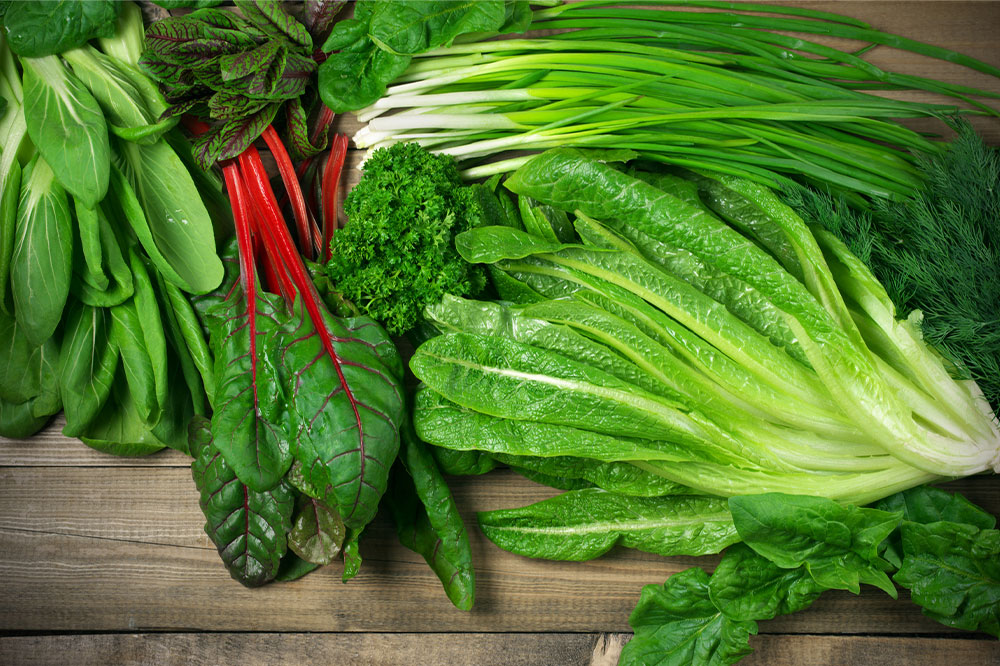
- Leafy green vegetables
- Sweet potatoes
- Broccoli
- Carrots
- Tomatoes
- Squash
- Citrus fruits
- Mangos
- Cherries
- Berries
- Green tea
- Sea vegetables
Lean protein
Daily intake of protein can help strengthen the muscles in the respiratory system. It helps a person feel full after a meal and helps maintain healthy BMI levels. Some of the best protein-rich food for lung health are:
- Fatty fish
- Walnuts
- Poultry
- Colorful fruits and vegetables
- Grass-fed lean meat
Immunity building food
A person with PF may already have a weakened immune system. Increased intake of immunity-boosting food can help reduce immunity and improve overall health. Some immunity boosting food include:
- Beets
- Pepper
- Apples
- Kilwi
- Turmeric
- Blueberries
- Kale
Omega-3 fatty foods
The three primary fatty acids of omega-3 fats are alpha-linolenic acid (ALA), eicosapentaenoic acid (EPA), and docosahexaenoic acid (DHA). They are found in cell membranes in the eye, brain, and sperm cells. They are crucial for making hormones that help expand and contract artery walls and regulate blood clotting and inflammation. The human body does not naturally produce omega-3 fatty acids and hence, depends on food and related supplements.
- Chia seeds, flax seeds, walnuts
- Flaxseed, canola, and soyabean oil
- Salmon, mackerel, sardines, tuna, and herring
- Fortified cereals and yogurts
- Fish oil like cod liver oil, krill oil
Probiotics
Probiotics are particularly beneficial for patients with lung diseases as they contain anti-inflammatory and immunomodulatory substances. Probiotics can help fight airway inflammation and lung damage. Avoid probiotics that can cause gas and bloating in case of an acid reflux episode. Probiotics ideal for PF include;
- Cultured vegetables
- Yogurt
- Buttermilk
Apart from eating healthy, keep the body hydrated by drinking water, fruit and vegetable juice, and herbal teas. Avoid processed food, sugary desserts, and carbonated drinks that can promote inflammation.
Cystic Fibrosis
Cystic Fibrosis (CF) is another life-threatening inherited condition where the mucus glands produce excessive mucus, and the sweat gland produces excessive sweat. The mucus in patients with CF is very thick and accumulates in the lungs and intestines. Excessive sweating causes salt loss and creates an imbalance of minerals. Both cause malnutrition, poor growth, recurring respiratory infection, breathing difficulty and permanent lung damage, leading to death. CF can also cause other complications like
- Sinusitis
- Nasal polyps
- Clubbing or enlargement of fingers and toes
- Pneumothorax – rupture of lung tissue
- Abdominal pain
- Too much gas
- Rectal prolapse
- Liver disease
- Diabetes
- Inflammation of the pancreas
- Gallstones
Cystic fibrosis medical treatment
Until recently, cystic fibrosis was diagnosed after symptoms began. With advancements in medical technology, cystic fibrosis can be diagnosed within one month of a child’s birth before symptoms begin to show. Though no cure exists, discoveries have helped control and manage CF symptoms. This has led to an increase in a life span of a person with CF to an average of 50 years.
Gene therapy
Since it is a genetic disease, starting Gene therapy early and fixing or replacing the faulty gene can help manage CF. Doctors may also give the patient an active form of the missing or defective protein.
Prescription treatment
Doctors use a combination of oral, injectable, or intravenously-administered treatments to target gene mutations, considered one of the biggest achievements in treating CF. Other treatments include:
- Antibiotics to prevent and treat lung infection
- Treatments to thin and dilute the mucus
- Anti-inflammatory treatments to reduce swelling in airways
- Stool softeners to prevent constipation
- Bronchodilators and other inhaled to keep airways open
- Oral pancreatic enzymes to improve digestion
Therapies to loosen mucus
Apart from prescription treatments, doctors use multiple therapies and techniques to loosen the mucus in the airways, making it easier for the patient to cough it out. The therapies include:
- Vest therapy
- Specific breathing and coughing techniques
- Use of mechanical devices to blow air into the mucus
- Clapping with cupped hands in the chest to loosen mucus
- Vigorous exercise
Pulmonary rehabilitation
Since it is a chronic condition, doctors plan treatments and therapies that help manage CF’s long-term impact. They include:
- Physical exercise
- Breathing techniques
- Food modification
- Oxygen therapy
- Education for patients and caregivers
Surgery
Doctors may perform surgical and other procedures to manage some of the conditions caused by CF. They may insert a feeding tube to aid digestion. They may also use surgery to remove nasal polyps. Patients may also use a nose or mouth mask while sleeping for better breathing. Bowel blockages may develop in CF, and doctors may perform surgery to remove it. In addition, some patients may need a lung, pancreas, or liver transplant if other treatments are ineffective.
You May Also Like

12 healthy snack ideas for managing cholesterol
A healthy lifestyle is the first step toward ensuring overall well-being. This requires prioritizing health even amid busy schedules. However, approximately two in five adults in the country are dealing with high cholesterol. Here, a meal plan comprising all essential nutrients, combined with an active lifestyle, plays an integral role in preventing diseases. So, here are some healthy, easy-to-make snacks that one can add to their daily meals when dealing with high cholesterol:
Tofu and vegetable sandwich
Studies have shown that having about 25 grams of soy protein a day can lower LDL cholesterol levels by 5 to 6%. Tofu, which is made of soy, is an excellent vegan source of protein and can help provide the body with the required energy levels. Moreover, vegetables like carrots, broccoli, and Brussels sprouts are rich sources of soluble fiber, which aids digestion and has cholesterol-lowering properties. So, whole-grain bread slices stuffed with tofu, vegetables, and a few spoonfuls of lentils or sprouts make for a scrumptious breakfast that can help manage cholesterol levels.
Sprouts salad
In addition to being crunchy, delectable, and easy to prepare, sprouts are packed with proteins, iron, vitamin C, folate, magnesium, and other essential nutrients. A regular intake of sprouts can help lower LDL cholesterol levels and manage blood sugar. One may prepare a salad comprising sprouts they like (sprouted black beans, kidney beans, moth beans, and black-eyed beans) and salad vegetables (i.e., carrots, cucumbers, and chopped spinach). An olive oil dressing can enhance the salad’s flavors and increase its nutritional value.
Oatmeal and nut cookies
Loaded with soluble fiber, iron, amino acids, zinc, and selenium, oatmeal is the perfect way to start the day. Further, tree nuts like almonds and walnuts are rich in omega-3 fatty acids, which help lower bad cholesterol. So, delicious oatmeal and nut cookies can serve as perfect healthy snacks to lower cholesterol and are great alternatives to processed and deep-fried foods. One should avoid using refined flour to bake the cookies, replacing it with whole wheat flour (when not intolerant or sensitive to gluten), almond flour, coconut flour, or buckwheat flour. Chopped dates or figs may be added as natural sweeteners to replace refined sugar.
Fruit salad
Fruits such as apples, grapefruits, bananas, oranges, and cranberries are great sources of pectin, which can lower LDL cholesterol levels by up to 16%. So, a bowl of assorted fruits, including seasonal ones, can replenish the body with vital nutrients and help prevent and manage high cholesterol.
Unsalted popcorn
Contrary to popular belief, popcorn is a fiber-rich snack low in calories and ideal for people with high blood cholesterol. However, store-bought popcorn typically contains large amounts of salt, butter, and spices, making it highly processed and unhealthy. So, one should try to make plain popcorn at home and enjoy it as an evening snack or while watching a series on the weekend.
Baked eggplant chips
Eggplants are rich in chlorogenic acid, an antioxidant that has been shown to lower LDL cholesterol levels. Baked eggplant chips are excellent alternatives to deep-fried chips, especially when served with a delectable dip containing Greek yogurt, garlic, and sliced cucumber. Here, one can drizzle extra virgin olive oil on the eggplant slices and bake them for approximately 20 minutes or till crisp and golden.
Vegetable fingers and hummus
Chickpeas are rich in fiber and polyunsaturated fats and low in sodium, being the best healthy snacks to lower cholesterol levels. Hummus is a great way to incorporate chickpeas into the meals. Moreover, diced vegetables like carrots and cucumbers served with hummus as a dop can make for a filling and scrumptious snack for managing cholesterol levels.
Avocado toast
Avocado is rich in monounsaturated fats and several nutrients, including folate, niacin, magnesium, vitamins, and potassium, which can help lower cholesterol. Further, studies have shown that two servings of avocado per week can reduce the susceptibility to heart problems. Owing to its buttery taste and texture, avocado can be spread over toast to make for a filling and nutritious snack or breakfast option. However, one must remember to prepare this toast using whole-wheat or multigrain bread instead of white bread.
Roasted fox nuts
Fox nuts are packed with potassium and healthy carbohydrates, which can help control triglyceride and cholesterol and prevent cardiovascular diseases. Roasted, unsalted, unspiced fox nuts are healthy munchies and suitable replacements for processed snacks like chips and baked desserts.
Boiled sweet potatoes
According to research, sweet potatoes can lower LDL cholesterol levels and reduce the risk of heart problems. Sweet potatoes are rich in nutrients like vitamin A, vitamin C, beta-carotene, and potassium. So, boiled sweet potatoes with a dash of lime juice and without salt or spices can be a healthy, filling snack option for those with high cholesterol.
Boiled sweet corn
A study published in the Journal of Nutritional Biochemistry suggests that corn husk oil can help keep cholesterol levels in check and prevent heart conditions. Further, corn can also help manage levels of carbohydrate, protein, and lipid metabolism in the body. Boiled, unsalted sweet corn is the perfect snack for people with high cholesterol. One may season this snack with a dash of lime juice to increase its palatability.
Baked barley chips
Barley contains a soluble fiber called beta-glucan, which helps lower cholesterol levels. It also contains several essential vitamins and minerals, making them healthy alternatives to deep-fried chips. However, these chips should be baked with little to no spices and salt.
In addition to incorporating these healthy snacks into daily meals, one should adopt certain healthy lifestyle practices, such as avoiding processed and store-bought foods, exercising regularly, and staying hydrated. A sedentary lifestyle can increase the risk of high cholesterol and heart problems. So, one should set reminders to move about and stretch for at least 5 to 10 minutes every hour and walk every day to manage cholesterol levels effectively.

12 Healthy Foods That Are Packed With Potassium
Potassium is a key mineral integral to safeguarding one’s general health. This mineral helps maintain normal levels of fluid in one’s cells. Besides that, potassium helps regularize one’s heart rate and aids in nerve functioning. Not eating potassium-rich foods can lead to constipation, fatigue, muscle weakness, tingling or numbing, and even irregular heartbeat. These are reasons to worry, so it helps to be aware of healthy potassium-rich foods to include in one’s meal.
Why do we need potassium?
The body needs potassium for optimal health but cannot produce the nutrient on its own. Potassium is also essential as an electrolyte since it bears an eclectic charge that activates different cells and plays a pivotal role in nerve functioning. Potassium enables the contraction of muscles and helps maintain normal blood pressure.
Potassium is an unsung nutrient, and its deficiency can be problematic. Though excess potassium levels cause diseases like hyperkalemia, its deficiency is also dangerous. Therefore, it is important to consult a health expert about the amount of potassium that suits you. If you are susceptible to kidney conditions, the doctor might ask you to have less of this mineral. However, according to experts, the daily advised potassium intake amount for adult women is 2,320 mg, and for adult men, it is 3,016 mg.
Healthy potassium-rich food items
Potassium is available naturally in many food items and can be taken as a supplement. One can incorporate the potassium-rich foods listed below into one’s daily meal plan to improve general health.
Watermelon
Watermelon is a delicious food that has potassium in abundance. It is also known for its exceptional water content, but this summer fruit also contains protein, fiber, fat, vitamins A and C, magnesium, and potassium. A single wedge (about 286 grams) of watermelon contains 7% of the recommended potassium value. You can slice the melon and chew on it or enjoy it with feta cheese and mint in an easy-to-make salad.
Coconut water
Coconut water should be part of one’s everyday nutritional regime due to the natural electrolytes it possesses. It is a hydrating drink that helps your cells draw in water when needed. One cup (240 ml) of coconut water offers 13% of the daily value for potassium. So if you often perform physical activities or spend time in the sun, this high-potassium drink should be your best friend.
Beetroot
This vegetable has been around for ages as a natural dye and a nutritionally rich food item in the diet. The naturally sweet, colorful beetroot contains 259mg of potassium (½ cup when peeled and boiled). The color pigment in it is an antioxidant that also helps reduce inflammation. The high potassium is complemented by high nitrate content, which improves blood vessel functioning and exercise performance. Beetroots have a protective effect on the heart as well.
Pomegranates
Another pigmented potassium-rich food item is pomegranate. The arils from a single pomegranate have 14% of the daily value of potassium. The redder the seeds, the sweeter they are likely to be. One can keep it in the refrigerator and snack on them.
Swiss chard
Swiss chard or silverbeet is a leafy green vegetable that is very nutritious. A single cup of cooked chard contains 20% of the daily value of potassium, double the amount in a banana. The same cup contains 60% of the DV of vitamin A and 476% of the vitamin K required daily. You can steam this potassium-rich food item, saute it or use it raw as a base for salads.
Potatoes and sweet potatoes
White potatoes are an excellent source of potassium. A single baked potato (300 gm) provides 1,600 mg of potassium. Baked sweet potato contains 1,110 mg of potassium in about 235 gms. Additionally, these vegetables also contain vitamins A, C, and B6, as well as manganese. In both types, potassium is also found on the skin; therefore, it is best to wash them well and cook them unpeeled.
Fish
Fish is an excellent high-protein high-potassium food. Half a fillet of cooked salmon contains 21% of the daily value, and the same serving of tuna has 17% of the daily value of potassium required by a healthy individual. Our scaly friends also provide us with healthy fats and omega-3 fatty acids, which boost overall well-being.
Avocados
Avocado is a nutritious, versatile fruit that contains many health benefits. Abundant in antioxidant and anti-inflammatory compounds, this fruit is also rich in healthy fats, folate, and vitamin K. A single sliced-up avocado contains 690 mg of potassium or 15% of the daily recommended value. You can eat this as guacamole, on toast, with eggs, and with cheese. They are also healthy for the heart and are an excellent alternative to butter, eggs, and oils in baking.
Orange juice
Though well-known for its rich vitamin C content, a single cup of orange juice contains about 500 mg of potassium. Additionally, this drink contains folate, thiamine, vitamin A, and antioxidants. You could also have fruit and vegetable juices like pomegranate, tomato, passion fruit, and carrot, all of which offer high potassium content and are beneficial for overall health.
Beans
Beans are a lush source of complex carbohydrates and plant-based proteins. One cup (180 gms) of white beans contains 21% of the daily value of potassium. Black beans offer 13% of the recommended value. These beans also contain phytates that reduce mineral absorption, so soaking them overnight and leaching the compound into water is important. Both black and white beans are incredibly versatile. Add them to burritos, stews, soups, and salads, or even bake delectable brownies with them.
Dried apricots
Dried apricots are a good source of fiber and vitamins A and E. They have a long shelf life, and a mere 65 gms provide 16% of the daily potassium intake needed. It gives an instant potassium boost. It is perfect for breakfast with muesli or as a healthy snack during the day.
Bananas
Bananas are one of the most commonly known potassium-rich food items. A medium-sized banana packs around 422 mg of potassium. This fruit also provides an instant energy boost, alleviates menstrual cramps, and supports heart health by regulating blood pressure levels.

10 Mistakes to Avoid When Buying Auto Insurance
Buying and claiming auto insurance was one of the biggest headaches for car owners a few years ago. But thanks to various apps and websites, the process is much easier today. Still, many people make mistakes while purchasing insurance online, which causes a lot of confusion. The following are typical errors to avoid when getting auto insurance. These tips will help you select the best policy in the market and enjoy a seamless process.
Not assessing your needs
There are dozens of auto insurance firms, each with a unique assortment of plans. While there is no best plan, some could suit your needs more than others. For instance, if you have a teen driver in the family, you should look for policies created for young adults. If you are a cautious driver, an insurer with a telematics plan can help you get rewards for your safe driving. Keeping all this in mind, you should go about your research to get the most suitable insurance quote.
Not researching enough
Shopping for insurance is like shopping for clothes—you must find the right fit for you and your vehicle. So, do not buy in a hurry. It would help to do some basic research before purchasing or renewing a plan. You can visit the insurer’s website to read about the different packages available and compare them. It is necessary to be patient and take enough time to study the details so that you find the most suitable policy. Research is the foundation for an informed decision and can help avoid confusion later.
Ignoring third-party ratings
Reading customer reviews is perhaps the best way to assess insurance companies. But where do you look for these reviews? Even if the insurer has a reviews section on its website, you will likely be skeptical since they may be selective about which reviews appear. In contrast, third-party ratings tend to be more objective. They can help you understand the provider’s insurance process, their quality of customer service, and the ease or difficulty of filing claims.
Not knowing the coverage you require
Full-coverage auto insurance is not for everyone since it can be expensive. The coverage you need will depend on your vehicle’s type, cost, how much you use it, your driving skills, the driving conditions, and the weather. Of course, you also have to consider the minimum coverage requirements set by the state. Contact an agent in the company to narrow down your options and get an auto insurance quote. Ask them anything you need to know before deciding on a coverage amount.
Not understanding the terms and conditions
Buying auto insurance means signing a contract with the insurer. So, like with every contract, there will be terms and conditions. You must understand what you are signing up for and what you need to submit when raising a claim. Policy wordings are specific to each policy, so it is crucial to understand the insurer’s liability. Research well and contact the insurance company to get details of the plan and its terms and conditions. You need not become an expert in auto insurance, but you should understand the basics to make the proper selections.
Choosing the wrong deductible
A deductible is a minimum amount you must pay for damages before the auto insurance company steps in to clear the rest. A lower deductible will cost you more in premiums, but in the event of an accident, your out-of-pocket expense will be less. On the other hand, a plan with a high deductible will save you money on premiums, but you will need to pay more if you get into an accident. Since selecting the wrong deductible could cost you a lot of money, it is essential to strike a balance between the premium and the deductible. To choose the right plan, consider the road conditions, your driving skills, and how often you get into accidents. Comparing auto insurance quotes online can help you understand the options available and enable you to pick the one that works for you.
Hiding the truth
Truth is golden, especially when applying for auto insurance. It can become problematic if the company finds inconsistencies when accessing your driving records and personal information. The company could refuse to insure you or may even reject your application. But this is not the worst part. If an accident occurs and they discover you lied, the provider can refuse to pay a claim and cancel your policy. Buying a new auto insurance policy can also be challenging since other companies can access your previous records.
Not checking the claims process
Every insurer follows a different process for clearing auto insurance claims. Some have mobile apps, while others require you to use their website. A few ask you to talk to a representative over the phone or meet with a local agent. Shortlist auto insurance companies depending on what suits you best. Most people today prefer handling things digitally, whether paying bills, requesting a claim, or renewing an auto insurance policy.
Not looking for discounts
Besides deductibles, payment schemes, and claims processes, you must check for discounts before signing up with an auto insurance firm. You can learn about your prospective insurer’s discounts by visiting their website periodically. Use them to get the best out of your plan!
Not picking the right add-ons
Many insurance providers offer customizable policies where you can select the features you need. This customization allows you to get the best value for your buck. So, do not forget to learn about the different add-ons available. Select individual components based on your driving habits, the model of your automobile, and where you drive.
Once you have considered the above points and shortlisted a few auto insurance companies, you can contact them for a quote. Some provide a quote after you fill out details on their website, while others require you to speak to an agent.

Everything to Know About Rheumatoid Arthritis
The immune system makes inflammation a natural response for healing during an infection or injury. The affected area becomes swollen, and blood flow to that area automatically increases. However, the immune system may mistakenly cause inflammation without infection or injury. When such inflammation affects the joints, they become unstable and painful. This condition is called rheumatoid arthritis. This autoimmune disease can be managed with timely diagnosis and treatment options.
Rheumatoid arthritis
Rheumatoid arthritis, or RA, impacts each person differently. While in some, it may advance slowly over time, it may progress quickly in others. The symptoms of pain and stiffness may be persistent or flare up occasionally and be dormant for some time. RA causes pain and stiffness in the affected joints, particularly in the morning or after staying in the same position for long durations. It can also cause a lack of appetite, low BMI levels, and fatigue. In some cases, RA can cause inflammation in the chest, causing severe chest pain.
Complications of rheumatoid arthritis
If left untreated for a long time, the disorder can lead to immobility and other serious health issues like:
- Carpel tunnel syndrome
- Inflammation in the heart’s pericardium
- Sjogren’s syndrome – inflammation of the eye
- Inflammation in the lungs causing COPD or pulmonary fibrosis
- Cardiovascular diseases
- Inflammation of the blood vessels
- Cervical myelopathy
- Joint damage
- Rheumatoid nodules
Common mistakes to avoid if you have rheumatoid arthritis
Getting treatment from a general physician
A general physical may be able to diagnose RA, but they may not have the expertise in treating the condition. Rheumatologists are specialists doctors with adequate qualifications, training, and experience in treating RA. They will be updated with the latest development in treatments that can benefit your overall health.
Not learning about RA
Right after diagnosis, one of the first steps for patients and caregivers is understanding the facts about RA. Rheumatoid arthritis is a common disease, and there could be a lot of myths and misinformation doing the rounds. Talk to your rheumatologist or healthcare providers to understand its impact, the treatment, and the prognosis. There will be clarity about the steps you must take and lifestyle changes you can make to slow the progression of RA. You can learn about the new findings and inventions in the treatment of RA and volunteer to participate in clinical trials.
Resting for long periods
Rest is an important part of RA treatment, as you can feel a lot of pain and fatigue. However, too much rest and minimal exercise can increase joint stiffness and BMI levels. Therefore, it is important to start with about 30 minutes of light exercise like walking, Tai Chi, yoga, or stretching and gradually increase the duration and intensity. You can take a break when you have a flare-up.
Not taking treatment as advised
Since RA is a chronic and progressive inflammatory disease, your symptoms may sometimes worsen. Visit your doctor for periodic review and follow-up. They may use blood and urine examinations and X-rays to monitor your condition and adjust dosage and treatment accordingly. Missing treatment can lead to the worsening of RA and its complications.
Not giving up on pro-inflammatory foods
Food triggers can cause a RA flare-up, and avoiding such foods is essential. If you have been diagnosed with RA, avoid the following foods:
- Grilled, fried, and broiled meat
- Food with trans and unsaturated fat
- Sugary foods like candies, cookies, and cakes
- Food-rich in carbs
- Gluten-rich foods like wheat, kamut, and spelt.
- Flavor enhancers and synthetic additives
Not focusing on emotional wellbeing
RA causes pain and immobility; if the condition is severe, you may need support from friends, family, or caregivers to help you with your daily activities. It is important to share thoughts with family and friends and communicate with your healthcare providers to prevent depression and anxiety from others.
Foods to manage arthritis
Healthy eating is an integral part of RA treatment. Six foods that help to manage RA include:
Fatty fish
Fatty fish generally have darker flesh and are rich in omega-3 and polyunsaturated fats. They help in fighting inflammation and can reduce joint pain and stiffness. Include the following fatty fish in your regular meal plans:
- Sardines
- Mackerel
- Salmon
- Snapper
Fruits and vegetables
Mix RA-friendly fruits and vegetables and create a healthy menu for your everyday meals. Choose the following foods that are rich in antioxidants and help in fighting inflammation:
- Dark green leafy vegetables
- Sweet Potatoes
- Carrots
- Peppers
- Squash
- Onions
- Garlic
- Leeks
- Eggplants
- Tomatoes
- Potatoes
- Berries
- Apples
- Banana
- Oranges
Whole grains
Replace refined grains with whole grains as they are rich sources of fiber and antioxidants and have anti-inflammatory properties. Whole grains suited for RA include;
- Oats
- Bulgur
- Barley
- Quinoa
- Amaranth
- Brown rice
- Millets
Probiotics
New studies reveal that there is a link between changes in gut bacteria and RA progression. Increase the intake of probiotics and prebiotics, which can improve gut health. Examples of gut-friendly food include:
- Sauerkraut
- Kimchi
- Miso
- Fermented tofu
- Pickled beets and garlic
- Greek yogurt
- Buttermilk
- Fiber-rich fruits and vegetables
Calcium-rich foods
Calcium-rich foods can keep the joint tissue and nearby bones healthy and help reduce pain and joint stiffness. Some calcium-rich food includes:
- Low-fat milk
- Yogurt
- Cheese
- Green leafy vegetables
- Soya based beverages
- Fortified food
- Almonds
- Sardines
- Pilchards
Iron-rich foods
Iron-rich foods can help fight fatigue, a common outcome of RA. A flare-up can cause anemia and further worsen fatigue. Iron-rich food that can help fight fatigue include:
- Lean meat
- Green leafy vegetables
- Peas
- Beans
- Lentils
- Fortified cereals
Top five smoothies for joint relief
Smoothies are easy to make. Choose from a range of RA-friendly fruits and vegetables and whip up a tasty and healthy smoothie to relieve joint pain.
- Blend a quarter pineapple, ½ mango, one peeled orange, and one carrot with ½ teaspoon of turmeric, ½ teaspoon of ginger, and water.
- Blend two kiwis with 100 grams of kale, one mango, one peeled orange, and water.
- Blend one apple, two celery stalks, ½ pineapple, and a handful of spinach with ½ teaspoon of ginger, one teaspoon of ground turmeric, and one teaspoon of coconut oil.
- Blend ¾ cup blueberries, one cup kale, one banana, 1-2 seedless dates, and ½ spoon nut butter with low-fat almond milk.
- Blend one banana, ½ teaspoon of honey, two teaspoons of matcha green tea powder, one scoop of vanilla protein powder, and one cup of low-fat milk.

Important things to know about kidney problems
Kidney diseases are some of the most common and life-threatening conditions that affect patients worldwide. These diseases lead to kidney function failure over time. It can be caused by various factors, including environmental toxins, genetic predispositions, and unhealthy lifestyle choices. Kidney disease can lead to severe health complications such as acute renal failure (ARF), chronic kidney disease (CKD), or chronic renal failure (CRF). A healthy kidney is a sign of a healthy body and lifestyle.
The function of the kidney
The kidney is an essential organ that performs many functions in the body. It filters the blood, removes waste products and excess water from the body, and helps maintain a person’s balance of electrolytes like sodium and potassium. Kidneys help maintain their normal levels of salt concentration which is essential for the proper functioning of every cell tissue in the body because, without adequate amounts of salt, no cells can function properly. The kidney also plays a vital role in regulating blood pressure and volume by keeping them at appropriate levels through urine production. The kidneys also regulate fluid balance in your body by removing excess water from urine and adding extra water into the urine when necessary for your body tissues not to be dehydrated.
Kidney failure is when a person’s kidneys cannot function properly due to disease or injury; this condition can be fatal if left untreated.
What is kidney disease?
Kidney disease is a general term that describes any condition that affects the kidneys. The most common types of kidney diseases are acute and chronic.
An infection, trauma, or surgery causes kidney diseases. They usually develop rapidly and cause symptoms such as fever, nausea, vomiting, and abdominal pain before progressing to a cushingoid appearance with high blood pressure and swelling in the feet or legs due to fluid retention—a condition called edema—and ultimately death if untreated.
What are acute kidney diseases?
Acute kidney diseases are a group of conditions that cause critical damage to the kidneys. They include:
- Stones in the urinary tract can cause pain and bleeding
- Injury to the organ that causes it to stop working correctly. This can lead to infections or more severe complications such as infection with bloodstream-borne bacteria (sepsis), blood poisoning, and organ failure.
What are chronic kidney diseases?
Chronic kidney disease (CKD) is a condition that can lead to kidney failure. It is often called CKD because it refers to the damage of the kidneys over time rather than an acute injury that causes immediate symptoms. Chronic kidney diseases also occur when:
- There are long-lasting viral illnesses such as HIV, AIDS, Hepatitis B, and Hepatitis C
- Prolonged lead poisoning and long-term use of nonsteroidal anti-inflammatory drugs (NSAIDs)
- Immune system diseases like lupus nephritis
- Polycystic kidney diseases occur
What are the symptoms of kidney disease?
Kidney problems can cause many different symptoms, but the most common ones include the following:
- Pain in the back, sides, or abdomen
- Fever
- Tiredness and fatigue
- Loss of appetite, leading to rapid drop in BMI levels
- Increased urination (frequent urination) or decreased urination (fewer than usual)
- Clouded mind
- A metallic taste in the mouth
- Swelling of feet and ankles due to edema
- Muscle twitches and cramps
- Nausea and vomiting
How to diagnose kidney diseases?
When you suspect that your kidney disease is severe and needs a health examination, the doctor will do these tests:
Blood tests to check for protein in the blood (albumin) levels and kidney function.
Urine tests to look for protein in urine or albumin in feces. This can help diagnose whether there is an infection affecting your kidneys or not enough oxygen being delivered to them by disease-causing bacteria.
- Doctors also conduct imaging tests such as ultrasound for a clear visual view of the kidneys.
- In extreme situations, a kidney biopsy is performed. A sample of the kidney tissue is removed to be sent to a lab for a thorough checkup.
What are the treatment methods for kidney diseases?
There are different treatment options that are recommended to the patient depending on the severity of the condition and the overall health of the one affected.
- Kidney transplant
This is the most effective treatment method for kidney diseases. A kidney transplant is when a healthy person’s organs are donated to someone else who needs them. - Dialysis
This is used in cases where the kidneys fail to function correctly. The blood in your body flows through tubes connecting one set of kidneys to another (or even two different sets). This process helps remove waste from your body. - Prescription option
Many prescriptions are available today, specifically designed for chronic kidney disease patients. Symptoms like high blood pressure may lead to heart disease in the future, depending on how severe they become over time without treatment options.
What is a kidney transplant?
A kidney transplant is a procedure that replaces one or both damaged kidneys with functioning, healthy ones. It is the only treatment for end-stage renal disease (ESRD), which means that your kidneys have lost most of their function and cannot filter out waste products from the blood.
Once the functioning kidneys are transplanted into your body, they work as normal ones do—they filter wastes from your bloodstream and release them into urine through tiny tubes called ureters. You may also notice changes in how often you urinate.
Caring for the kidneys
Kidney disease is a severe condition. It can affect the way your kidneys work and lead to complications, including:
- High blood pressure (hypertension)
- Heart failure and heart disease
- Diabetic retinopathy, which is damage caused by diabetes mellitus (DM) in the eyes
Kidney problems are common in people with HIV/AIDS, but this does not mean you should avoid getting tested for kidney diseases altogether! However, you should still make sure that you are checking your levels regularly when you have regular checkups with your doctor or healthcare provider.
Kidney diseases are a severe health concern for many people. If you suspect your loved one has kidney disease, consult your healthcare provider immediately.